What Materials Are Preferred in Aesthetic Dentistry? Biomaterial Guide
Restorative processes designed to correct structural deformities, color asymmetries, and material losses in the mouth, teeth, and jaw system rely on the technological infrastructure provided by material science (dental materials science). In traditional dentistry, when reconstructing function, heavy metal alloys such as gold, amalgam, or chromium-cobalt are used, while nowadays, crystal-structured ceramics and resin-based polymers that successfully mimic the natural optical reflection, elasticity modulus, and light refraction index of teeth are coming to the forefront. These materials, compatible with individuals’ facial anatomy, do not cause discoloration in the gums, and suspend like natural tooth enamel, form the biomimetic (nature-mimicking) philosophy of the discipline of Aesthetic Dentistry.
The selection of the material to be used in a dental restoration is assessed by the dentist through a multidisciplinary approach, considering the intensity of the chewing force applied to that tooth, its position within the dental arch (anterior or posterior), the color of the underlying structure to be covered, and the patient’s tissue biotype. For example, in posterior molars where the chewing pressure is very high, materials with a dense crystal structure and high fracture resistance are planned; while in anterior teeth (at the smile line) where aesthetic expectations are very sensitive, high-translucency glass ceramics are preferred. In this medical guide that we have prepared, the chemical properties of zirconia, lithium disilicate, composite resins, feldspathic powders, and cementation agents frequently used in clinics are examined objectively, along with their interactions with tissues and the clinical situations in which they are used.
What Clinical Needs Does Zirconium Dioxide (Zirconia) Meet and What Are Its Structural Properties?
Zirconium dioxide (zirconia) is a ceramic material that is obtained from the combination of the naturally occurring zirconium element with oxygen, exhibiting extremely high biocompatibility, light transmission properties, and exceptional mechanical resistance against chewing forces. This material emerged from the need to eliminate the dull and opaque appearances that could not meet aesthetic expectations by replacing the gray metal framework underneath classic porcelain teeth. Zirconia, which can exist in three different crystalline phases: monoclinic, tetragonal, and cubic, is primarily stabilized in the tetragonal phase at room temperature by adding yttrium in the medical field (Y-TZP). Thanks to this crystal structure, zirconium exhibits a unique mechanical behavior by self-arresting the progress of micro-cracks that form on it (phase transformation toughness).
The areas of clinical use are quite extensive. In patients with dark-colored endodontic remnants or blackening caused by old amalgam fillings, the zirconium substrates, which have a high ability to mask (cover) this dark color, are planned. At the same time, in cases of multiple tooth loss, long bridge restorations applied to the posterior regions minimize the risks of breakage due to the material’s high flexural strength medically. The gum tissue enters an organic compatibility with the zirconium surface; unlike metal alloys, it does not cause bruising, allergic reactions, or corrosion (oxidation) at the tissue margins. Nowadays, restorations that are carved from factory-produced zirconium blocks using CAD/CAM technologies with computer-controlled robotic milling (monolithic) provide a strong medical response to both the durability needs of the posterior regions and the aesthetic reflection expectations of the anterior regions.
| Zirconium Material Type | Crystal Structural Properties | Medical Use Area |
|---|---|---|
| Conventional Zirconium (3Y-TZP) | A structure with the highest mechanical resistance and medium light transmittance, opaque in nature. | Masking of dark roots, posterior region bridges, and occlusal loads requiring durability. |
| High Translucent Zirconium (4Y/5Y-TZP) | Aesthetic ceramic form with increased cubic phase ratio, enhanced light transmittance. | Anterior region single crowns, aesthetic gingival line, and monolithic restorations. |
In which anterior region restorations is Lithium Disilicate (Glass Ceramic) used and what are its optical values?
Lithium disilicate (commonly known as E-max) is an advanced ceramic system composed of lithium disilicate crystals embedded in a glass matrix, which can optically mimic the opalescence and fluorescence (light games) properties of natural tooth enamel. The greatest advantage of this material is its high degree of light translucency. Restorations made using lithium disilicate do not just reflect the light falling on them; they trap some of the light within the material and transmit it to the dentin layer, creating the perception of ‘depth’ found in natural teeth. In the anterior zone, where aesthetic expectations are at their highest (incisors and canine teeth), these glass ceramics are often planned to eliminate the feeling of artificiality.
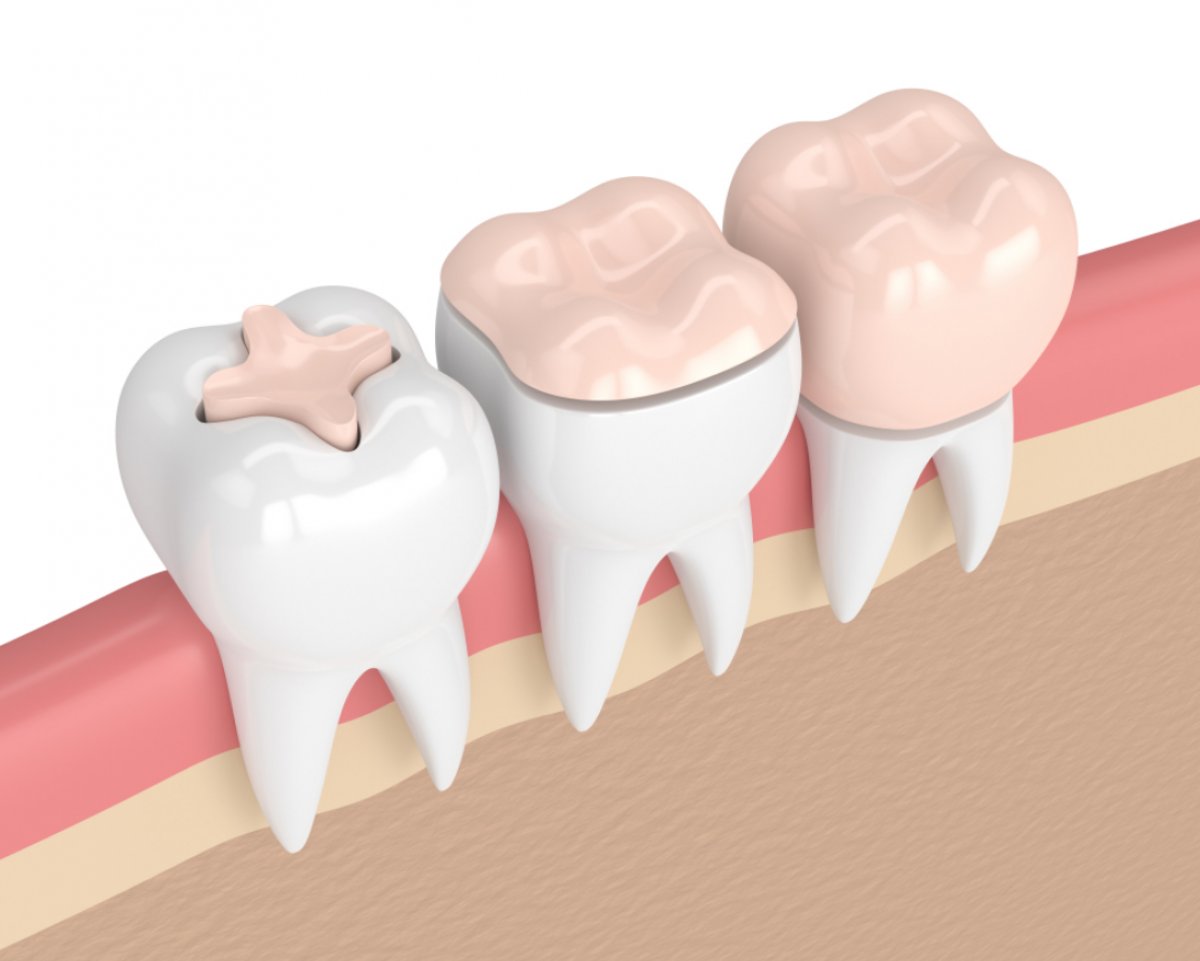
Clinically, porcelain laminates (leaf veneers), porcelain fillings known as inlays/onlays, and single-unit crowns have a significant area of use in their production. The bonding mechanism of lithium disilicate materials to teeth requires a different chemical procedure than traditional cementation. The internal surface of the restoration is microscopically etched with hydrofluoric acid, and then silane coupling agents are applied to create a chemical lock that enables the material to work almost as a single piece with the tooth enamel tissue (adhesive resin). Thanks to this locking mechanism, lithium disilicate becomes a monolithic medical structure that can resist high chewing forces even though it has a naturally fragile glass structure.
Which Thin Laminates Do Feldspathic Porcelains Play a Role in Producing?
Feldspathic porcelain is a restorative material that derives its aesthetic character from the mixture of natural feldspar, quartz, and kaolin minerals and is produced by technicians using traditional ceramic firing techniques layered with a brush (stratification). It serves as a fundamental raw material in the production of “prepless” laminates (made without removing any tooth material) or very thin leaf porcelain, one of the most conservative approaches in the field of Aesthetic Dentistry. Although the mechanical strength of these porcelains is lower compared to lithium disilicate or zirconia, they are the ceramic group that allows the most details of coloring through craftsmanship.
In the production of feldspathic laminates, “refractory die (fire-resistant casting model)” or “platinum foil” techniques are used. The technician works on the fine developmental lines, enamel cracks, and bluish transparency (halo effect) of the teeth using porcelain powders and special liquids layer by layer. These materials can be thinned to a contact lens thickness of about 0.2 to 0.4 millimeters on the front surface of the tooth. Especially in patients with very strong enamel who require slight color changes or form additions (for example, when lateral teeth are very small), the fine art of feldspathic ceramics is utilized to achieve maximum aesthetic illusion without harming the tooth.
What Anatomical Deficiencies are Composite Resin Materials Used to Address?
Composite resin materials are medical filling materials that are obtained by mixing inorganic filler particles such as silica, zirconium, or barium into organic polymer matrices like Bis-GMA or UDMA, applied directly to a tooth in the dental chair (using the direct method). These materials, which have replaced the old black amalgam fillings, have gained a “nano-hybrid” structure with current technology, thereby enhancing their abrasion resistance against chewing pressure and ensuring that they maintain polishing brightness for many years. Composite resins stand out for their ability to provide treatment in a single session without the need to send the tooth to a laboratory for aesthetic restoration processes.
In clinical settings, a wide space is allocated for composite bonding applications. They are used to close genetic gaps (diastemas) between two teeth, restore small fractures caused by trauma to the original form, or clean and reconstruct lost tooth structure in the natural tooth color. The adhesion of this material to the tooth is realized by acid etching the enamel surface and polymerizing (hardening) the intermediate liquids called bonding agents, which seep into microscopic pores, using a special blue light (halogen/LED). Since the elasticity modulus of composite resins is very close to that of natural tooth dentin, they absorb the stress forces generated during jaw movements; any small abrasions or fractures that may occur in the following years can easily be repaired with a practical resin addition in the same clinic.
How Do Medical Resin Cements Establish a Biochemical Bond Between Porcelain and Tooth Tissue?
The ability of a porcelain veneer or laminate to maintain its shape for years on the tooth surface depends on the biochemical performance of the intermediary materials known as dental resin cements (luting agents) that exist between the tooth and the restoration. While classic water-based cements (like glass ionomer, etc.) hold the tooth through mechanical retention (friction), resin cements convert porcelain into an organic part of the tooth by establishing both micromechanical interlocking and chemical bonding. This bonding begins with the surface of the tooth and ceramic being conditioned by special acids and the introduction of agents containing medical monomers such as ’10-MDP’.
Thin resin cements that cure with light and do not change color over time are planned for earlier porcelain laminates. When the light device is held over the porcelain, the light penetrates the material, activating the underlying cement and ensuring its hardening. In cases where thicker zirconia or full ceramic crowns are used, considering the situations where it is difficult for the light to reach the lower layers, ‘dual-cure’ (light-curing and chemically self-curing) resin cements are utilized. These bonding agents seal the interface between the tooth and porcelain in a way that prevents the penetration of oral fluids or bacteria into that area; thus, they limit the risk of secondary caries that could develop in the dental tissue beneath the crown.
Which Acrylic and PMMA Components Function Clinically in Temporary Restorations?
In aesthetic dental treatment processes, it is medically necessary to ensure that the patient does not go toothless and to protect the prepared teeth during the time interval until the permanent porcelain restorations arrive after the teeth have been prepared for laboratory production (after being reduced). The temporary restorations used for this purpose are generally made from polymethyl methacrylate (PMMA) based materials or bis-acrylic composites. These components create an adaptive cover over the teeth by hardening within seconds (chemical polymerization) based on the measurements taken during the patient’s first visit to the clinic.
The main biological function of temporary acrylic restorations is to prevent the patient from experiencing thermal sensitivity by covering the dentinal tubules exposed after the enamel is removed from the tooth. At the same time, they ensure that the adjacent teeth do not move towards the cut teeth, maintaining the precision of the prosthetics made in the lab. PMMA materials play a crucial role in shaping the health of the gums (in creating the emergence profile), guiding the gums to remain in a rounded and healthy form, thereby creating an aesthetic seal area between the tissue and porcelain when the permanent ceramics are placed.
| Temporary Material Type | Structural Property and Production Form | Clinical Use Purpose |
|---|---|---|
| Bis-Acrylic Composites | Applied directly in the dentist’s chair with carding systems, they have a low closure allowance. | Used for mock-up (try-in) applications and short-term protective temporary crowns. |
| PMMA (Polymethyl Methacrylate) | Produced in the lab by milling from high-density blocks in CAD/CAM systems. | Durable temporary prostheses used during periods requiring long-term waiting (such as implant integration, etc.). |
What Chemical Agents Are Used in Teeth Whitening (Bleaching) Procedures and How Do They Work?
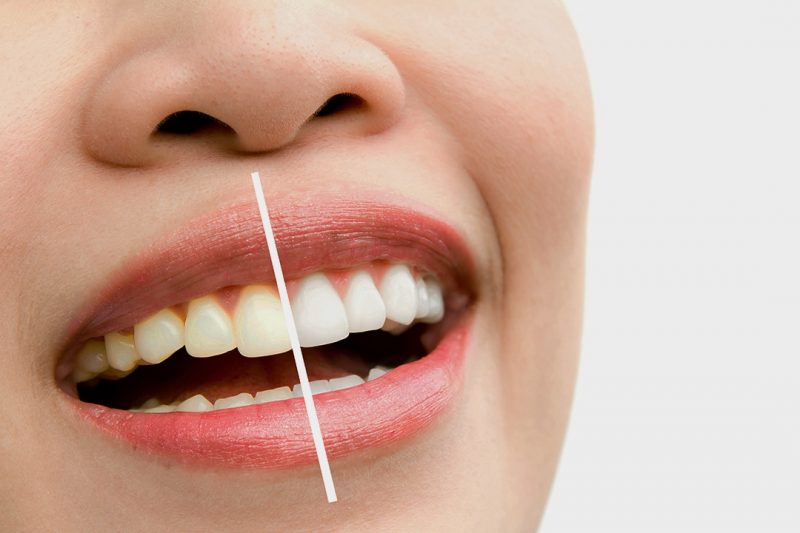
In medical whitening (bleaching) procedures aimed at lightening the natural color of the tooth structure by several shades, basic agents such as Hydrogen Peroxide (H2O2) or Carbamide Peroxide are used. These chemical solutions penetrate through the pores (microscopic holes) on the enamel surface to reach the long-chain dark colored organic pigment (chromophore) molecules residing in the dentin layer. The applied chemical agent initiates an oxidation reaction that breaks down these long and dark chain molecules; the molecules transform into smaller, less color-reflecting, and colorless components.
In office-type (office bleaching) procedures applied in the clinic, high concentration hydrogen peroxide gels are applied to accelerate the reaction, and these gels are photochemically activated using special LED or laser devices to produce free radicals. In home whitening systems, however, agents with lower concentrations of carbamide peroxide that gradually convert into hydrogen peroxide with time and as they come into contact with saliva are used. Both materials target only the color molecules without disrupting the structural hardness of the tooth (calcium and phosphate balance); they manage the aesthetic whitening process medically without causing permanent deformation in the enamel tissue or root structure.
Why Is the Ability of Biomimetic Materials to Mimic Tooth Enamel Important?
The approach of biomimetic (nature-replicating) dentistry is based on the philosophy that materials to be used to replace damaged or lost dental tissues should exhibit the same physicochemical and biomechanical properties as the original tooth. A natural tooth is a complex structure made up of a hard yet brittle enamel armor and the underlying flexible, shock-absorbing dentin tissue. The forces applied to a tooth are not only mitigated by hardness but are also absorbed and transmitted to the root thanks to its ability to flex (elastic modulus).
The materials used in aesthetic restorations (such as hybrid composites or e-max glass ceramics) stand out not only because of their color but also due to their capacity to mimic these mechanical properties. While the hardness of the enamel is replicated with porcelains, the composite bonds applied to the tooth take over the flexing function of dentin, thereby ensuring that chewing forces are distributed homogeneously to the tooth root. Additionally, optical biomimetics are of great importance; the light transmissibility and fluorescent effect of natural enamel are replicated thanks to the special arrangement of the ceramic particles in the restorative material, which prevents the restoration from appearing lifeless or prosthetic under artificial light or natural daylight.
What Medical Criteria Guide the Selection of Restorative Materials in Avrupadent Clinics?
In the procedures for Aesthetic Dentistry to be applied in European clinics, the selection of biomaterials is carried out according to a personalized medical analysis protocol that examines the anatomical structure of the patient, the functions of the jaw, and tissue characteristics, rather than a single standard. Initially, the relationship between the patient’s occlusion and the activity of the chewing muscles is analyzed. If the patient has a history of nighttime tooth grinding (bruxism) or if occlusal forces are directly impacting the anterior teeth, materials with high fracture resistance such as monolithic zirconium are included in the planning to prevent damage.
On the other hand, the current color of the evaluated teeth (the base color) is a parameter that directly influences material selection. If lithium disilicate is used for a tooth that has undergone root canal treatment and has turned dark gray, the underlying dark color will be reflected; therefore, high opacity zirconium substructures are preferred for masking in such cases. In patients with thin gum biotype, no metal-supported structure is used to prevent the material color from showing through under the gum. Based on all this radiological and clinical data, doctors and laboratory technicians determine the most appropriate group of ceramics or resins that will provide long-term aesthetic and biological benefits to the patient through a joint consultation, shaping the treatment process.
Frequently Asked Questions
1. Does zirconium coating cause gum discoloration?
Since zirconium is a material that exhibits a high degree of biological compatibility with tissue and does not contain metal, it does not cause gray or purple reflections in the gum line, which are observed in old-type metal-supported porcelain.
2. What material is more suitable for porcelain veneers?
E-max (lithium disilicate) glass-ceramics or feldspathic porcelain powders, which have very high light translucency and transparency, are often preferred in aesthetic restorations (laminates) due to their fine layering capabilities.
3. Do composite fillings change color over time?
Although current nano-hybrid composite materials are structurally advanced, mild discolorations can occur over the years due to the abrasion of the surface polish caused by intense use of tea, coffee, and tobacco; however, they can return to their original gloss with a short polishing process in a clinical setting.
4. Do teeth whitening (bleaching) gels thin the enamel?
No, hydrogen peroxide or carbamide peroxide agents do not diminish the calcium structure (hardness) or thickness of the enamel; these agents only penetrate through the enamel pores to oxidize organic color pigments.
5. What is the main difference between E-max and Zirconium?
E-max (glass-ceramic) provides the most natural result in terms of light translucency and aesthetic transparency, but its fracture resistance is moderate; Zirconium, on the other hand, has a high mechanical resistance (hardness) and is typically planned for posterior areas with high chewing pressure or in cases where dark teeth need to be masked.
6. What is the lifespan of luting agents (cements)?
The medical resin cements used create a chemical bond (adhesion) between the tooth and porcelain, making them insoluble in the oral flora and ensuring the impermeability of the restoration, thus preserving the long-term structural integrity of the restoration.
7. What material are temporary teeth made of?
Temporary teeth installed to protect damaged teeth during the laboratory production process are usually produced from bis-acrylic composites or PMMA (polymethyl methacrylate) based resin blocks through chemical hardening or grinding methods.
8. Are metal-supported porcelains still in use?
While occasionally used in very long bridge systems that require mechanical durability, in current clinical practices where aesthetic concerns take precedence, they have largely been replaced by metal-free ceramics due to tissue compatibility and optical advantages.
9. Which material should individuals with allergies choose?
For individuals allergic to nickel or various metal alloys, zirconium and lithium disilicate materials that do not cause toxic or allergic reactions with body tissues (showing biocompatibility) are the most suitable alternatives from a medical perspective.
10. Does composite bonding reduce the strength of the tooth?
On the contrary, composite bondings applied without roughening the tooth or placed after cleaning of a fracture mechanically support the tooth with their elasticity properties close to dentin and limit micro-leakage.
11. Which material gives the closest light refraction to natural tooth enamel?
Due to their crystalline matrix structure, lithium disilicate (glass ceramics) and feldspathic porcelains produced by hand craftsmanship are the materials that have optical properties closest to those that reflect and absorb light as found in enamel.
12. Do zirconium teeth wear over time?
Zirconium dioxide is a type of ceramic that is much harder and more translucent than natural tooth enamel, which allows it to resist wear during chewing functions and maintain its shape mechanically for many years.
13. Which material prevents the tooth from getting air during the treatment process?
To cover the dentinal tubules (nerve pathways) exposed due to the abrasion of the dental tissue and to control hot and cold sensitivity, PMMA temporary crowns made with polycarboxylate or temporary resin cements are used.
14. How are porcelain blocks processed in the laboratory?
Homogeneous lithium disilicate or zirconium blocks produced industrially are transferred to CAD/CAM systems based on digital measurements and processed millimetrically without human hands using robotic mills.
15. If there is a fracture under the crown, should the material be removed?
In cases of secondary (subsequent) fracture developing under the crown, it is essential for the dentist to remove the restorative material with special instruments to reach the underlying infected dental tissue and ensure medical cleaning, and to produce a new crown after treatment.