What Questions Should Be Asked to the Doctor Before Implant Treatment?
Before implant treatment, the doctor should be asked about the current anatomical condition of the jawbone, the possible effects of systemic diseases on the process, the structural properties of the titanium materials to be used, the timeline of treatment stages, and how the recovery process will progress after the procedure. These questions ensure that the patient is transparently, accurately, and completely informed about their own medical condition, forming the fundamental step of a trust-based communication process between the doctor and the patient.
Having sufficient information about the process before medical interventions is a requirement of the “informed consent” principle. These surgical procedures planned to compensate for tooth loss vary depending on the individual’s oral anatomy, general body health, and biological healing capacity. Therefore, personalized planning rather than a standard approach is essential. Asking the right questions during the initial examination helps the patient prepare mentally and physically for the treatment and also aids in grounding clinical expectations in reality.
What Should Be Discussed with the Doctor During the Initial Examination Before Implant Treatment in Izmir?
During the initial examination conducted in clinics in Izmir, the doctor should discuss the patient’s personal oral anatomy’s suitability for treatment, the details of three-dimensional radiological imaging (CT) results, and what local or general protocols will be applied. Additionally, the patient’s entire medical history, allergies, and medications should be shared comprehensively with the doctor, and it should be thoroughly understood how this data will affect the planned dental surgery.
Geographical factors and the accessibility of the hospital’s clinic are also topics to be evaluated at this stage. The initial examination is not just a physical inspection; it is also a stage of analysis where radiological findings are correlated with the clinical condition of the hospital. The physician reports the situation by examining the patient’s bite, the general condition of the gums, and the positions of nearby teeth. It is of great importance that patients actively ask questions during this examination for understanding the process.
| Topic Heading | What the Patient Needs to Communicate | Expected Responses / Analyses from the Doctor |
|---|---|---|
| Radiological Examination | Any previous panoramic or tomography X-rays from previous years, if available. | Presentation of the bone maps with current three-dimensional imaging (CBCT). |
| Systemic Health History | Chronic illnesses such as heart problems, blood pressure, diabetes, osteoporosis. | Explanation of the potential impact of these conditions on surgical procedures and tissue healing. |
| Medication Use History | Blood thinners, bisphosphonate group bone medications, and regular prescriptions. | Consultation with the physician regarding which medications should be discontinued or altered and for how long. |
How to Learn If the Jawbone is Suitable for Implantology?
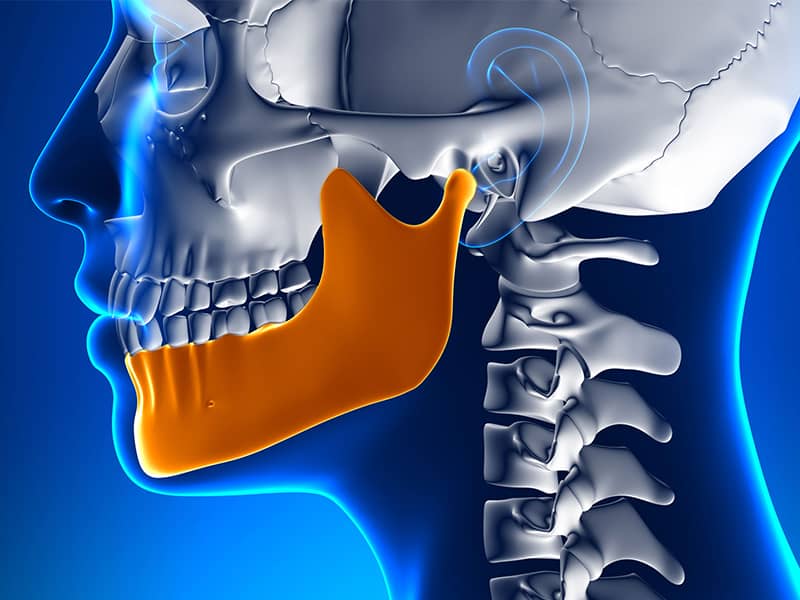
The suitability of the jawbone is assessed through a physical examination by the dentist in the clinic and particularly by examining the results of detailed radiological imaging (three-dimensional dental tomography). The height, width, and trabecular density of the jawbone are measured in millimeters, and objective data regarding whether the planned Implantology procedure will ensure complete compatibility with the structure in the area is conveyed to the patient.
In the area experiencing tooth loss, physiological bone resorption occurs over time. The dentist must ensure that there is enough healthy bone tissue surrounding the planned titanium material when calculating its diameter and length. Thanks to tomography data, the distance to critical anatomical structures such as the nerve canal in the lower jaw (mandibular canal) and the air spaces in the upper jaw (maxillary sinus) is clearly defined. These calculations are among the first safety protocols of the process.
What Information Should Be Requested About the Stages of the Treatment Process and the Expected Timeline?
Information should be requested from the dentist regarding the stages of the treatment process; how many sessions the surgical planning will take, the anticipated cellular waiting period for bone healing (osseointegration), and when the upper prosthetics, which are the visible parts inside the mouth, will be placed. Since implant treatment involves multiple medical disciplines, sharing the timeline transparently is necessary for hospital scheduling.
After the surgical phase, an average healing process ranging from 2 to 6 months is expected for the material to biologically integrate with the jawbone. Patients often conceive that the process will end in a single appointment; however, the timeline for biological healing varies from person to person. The fundamental stage questions that should be directed to the dentist should include the following:
- Will the surgical placement be performed in a single session or will it be carried out in different stages?
- Are there physical restrictions I need to be mindful of in daily life during the bone healing phase?
- If a temporary prosthesis will be made, how many weeks will the transition period to the permanent prosthesis approximately last?
- How often will routine check-up periods be scheduled after treatment?
What should be asked about the properties of the materials to be used and their biological compatibility?
It should be asked how biocompatible the materials to be used are with human tissue, the structural properties of titanium components, and whether the material has international health standards (CE, FDA, etc. medical compliance approvals). The biological reaction of every medical material placed within the body with bone tissue should be carefully evaluated, and patients should be informed about the clinical certifications of the equipment used.
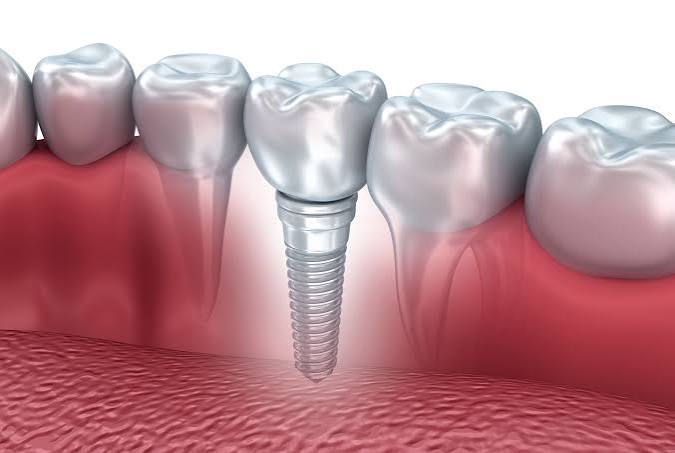
In modern dentistry, structures that mimic the tooth root are generally made from titanium alloys of varying degrees (Grade 4 or Grade 5). Titanium is one of the rare elements that is not perceived by the human body as a foreign substance and can establish a direct cellular bond with bone (osseointegrated). Patients have the right to request information from their doctors about the features of the system to be used, surface purification technologies, and the long-term scientific literature comparisons of these materials.
How do the patient’s systemic diseases (Diabetes, Hypertension, etc.) affect the treatment plan?
Systemic diseases; particularly diabetes (sugar disease), hypertension, and autoimmune disorders can affect the dynamics of circulation during surgical procedures and slow down the healing rate of bone tissue. Therefore, it’s essential to ask the physician whether approval or consultation from the hospital’s own specialty follow-up physician (internal medicine, cardiology) is necessary regarding the potential effects of existing diseases on the procedure.
For example, maintaining blood sugar regulation (HbA1c level) below a certain threshold in diabetic patients is a requirement for healthy wound healing after surgery. In individuals using blood thinners (anticoagulants), it may be necessary to temporarily discontinue the medication or adjust the dosage under physician supervision. In treatment planning, the dentist and the hospital’s medical physician should coordinate their actions.
What Conditions Should Be Expected During the Healing Process After Implant Treatment?
In the early days of the healing process post-procedure, it is natural to expect mild tissue sensitivity, local edema (swelling), and small bleeding in the surgical area as part of physiological responses. Patients should inquire with their physicians about how long this adaptation process will last, the conditions of using the prescribed medications (antibiotics, mouthwash, anti-edema medications), and how they will reach the clinic in the event of a possible complication.
The self-repair of tissue after surgical intervention is a cellular-level response that continues. While the closure of soft tissue (gum) typically completes within the first week, bone healing is a silent process that spans over months. Adhering to the dietary habits specified by the physician (for example, avoiding excessively hot and hard foods in the early days) is one of the most important patient responsibilities supporting this natural healing process.
| Time Frame | Body’s Natural Response (Expected Condition) | Rules for the Patient to Follow |
|---|---|---|
| First 24 – 48 Hours | Sensitivity and tissue reaction related to the surgery in the area. | Applying intermittent cold compresses from outside, avoiding any straining and shaking movements. |
| 1st Week (Removal of Stitches) | Significant completion of soft tissue healing. | Regular use of prescribed mouthwashes, avoiding foods that apply pressure on the surgical area. |
| 2 – 6 Months (Osseointegration) | The titanium surface integrating with the jawbone cells at the cellular level. | Full compliance with routine oral hygiene rules, ensuring planned doctor check-ups are not missed. |
What Details Should Be Requested from the Doctor About Possible Risks and Complications?
The doctor should provide scientific data regarding local infections, tissue damage, upper structure adaptation issues, and specific biological responses the body might have to the material (bone loss) that can occur in any medical and surgical procedure, including this treatment. Since no definite prognosis can be mentioned in medical procedures, the patient should be informed transparently about the risks that may be encountered.
Particularly not paying attention to oral hygiene, heavy smoking, or the uncontrolled progression of systemic diseases are among the factors that negatively affect the long-term sustainability of treatment. Patients should ask their doctor questions such as, “What medical steps will be taken if bone healing does not occur during the recovery period?” or “How will the treatment protocol be updated if an infection develops in the area of application?” to gather information about possible Plan B options.
How Should the Need for Bone Graft or Sinus Procedure Be Explained to the Patient?
If the radiological examination reveals insufficient width or height in the jawbone, the doctor should explain the necessity of bone grafting or sinus lift procedure for the posterior regions of the upper jaw to the patient using anatomical foundations through medical imaging systems. These additional procedures are performed to provide the necessary biomechanical foundation for the titanium structure to securely and functionally attach to the bone.
Bone grafts are biocompatible materials that address the regional bone deficiency of the patient, allowing for a volumetric increase in that area. These procedures are often needed if years have passed since a tooth extraction or if there is an increase in bone resorption due to advancing age. Patients should consult their doctor about how much the graft materials will extend the healing process and what additional steps they will bring to the surgical operation.
What Should Patients Expect During the Use of Temporary Prostheses?
During the healing (bone healing) process, especially in cases of anterior tooth deficiencies, it should be known that while using temporary prostheses placed to maintain aesthetic integrity and partial speech function, hard and sticky foods should not be consumed, and chewing pressure should not be applied to the prostheses. Patients should ask their doctors about the mechanical restrictions to consider during the use of temporary teeth.
The primary purpose of temporary dentures is not to withstand chewing forces but to alleviate the aesthetic concerns of the individual during the time until the permanent dentures are made and to assist in shaping the gum tissue. Excessive pressure applied to these temporary structures can negatively affect bone healing by transmitting micro-movements (micro-mobility) to the underlying surgical area. It is crucial to adhere to a soft diet program during this process.
What Should Be Changed in Oral and Dental Care Routines After Treatment?
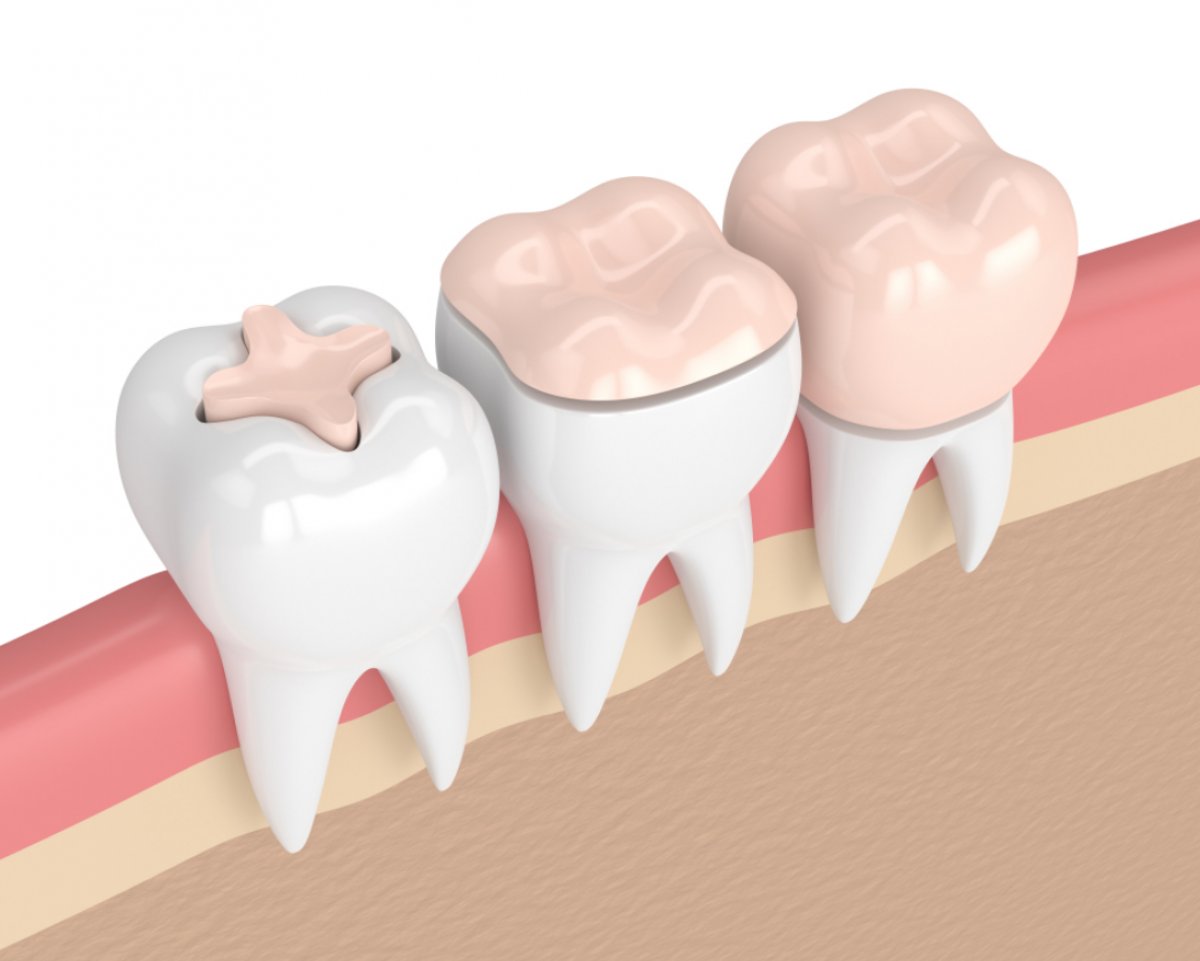
After treatment, in addition to existing tooth brushing habits, new equipment such as brushes suitable for the structure of the dentures, specially designed dental threads (superfloss), and mouth guards that maximize the hygiene of the surrounding tissues should be included in the daily oral care routine. Specific cleaning protocols that need to be applied at home to protect the gum around the material should be discussed with the doctor.
Dental diseases (gingivitis or periodontitis) that develop due to plaque accumulation on natural teeth can also be observed in the surrounding tissues of implants under the name “peri-implantitis.” This condition can lead to an infection that may cause the loss of surrounding bone tissue if hygiene is neglected. The individual’s diligence in oral care and participation in routine medical check-ups are crucial factors in the functional sustainability of treatment.
-
\t
- Mechanical Cleaning: Brushing should be performed with soft or medium-hard bristles, applying a brushing motion from the gum to the denture.
- Interdental Hygiene: An interdental brush of appropriate thickness should be used in the gaps under the denture to prevent the accumulation of food residues.
- Supportive Products: Mouthguards help reduce plaque buildup through the fluid dynamics that the brush cannot reach.
- Professional Check: The condition of the tissues should be checked at least once every 6 months through radiological and clinical examinations in a clinic.
\t
\t
What Standards Does the Implantology Approach in İzmir Avrupadent Clinics Rely On?
The planned surgical and prosthetic procedures in Avrupadent clinics operating within the borders of İzmir are conducted in strict adherence to the sterilization chain and in full compliance with the 2026 health regulations published by the Ministry of Health. With a multidisciplinary approach, all Implantology procedures are designed transparently based on medical requirements, patient information, and consent.