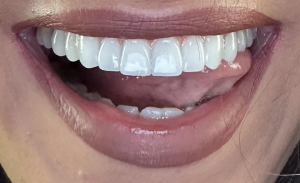
What Should Be Considered After Aesthetic Dental Treatment?
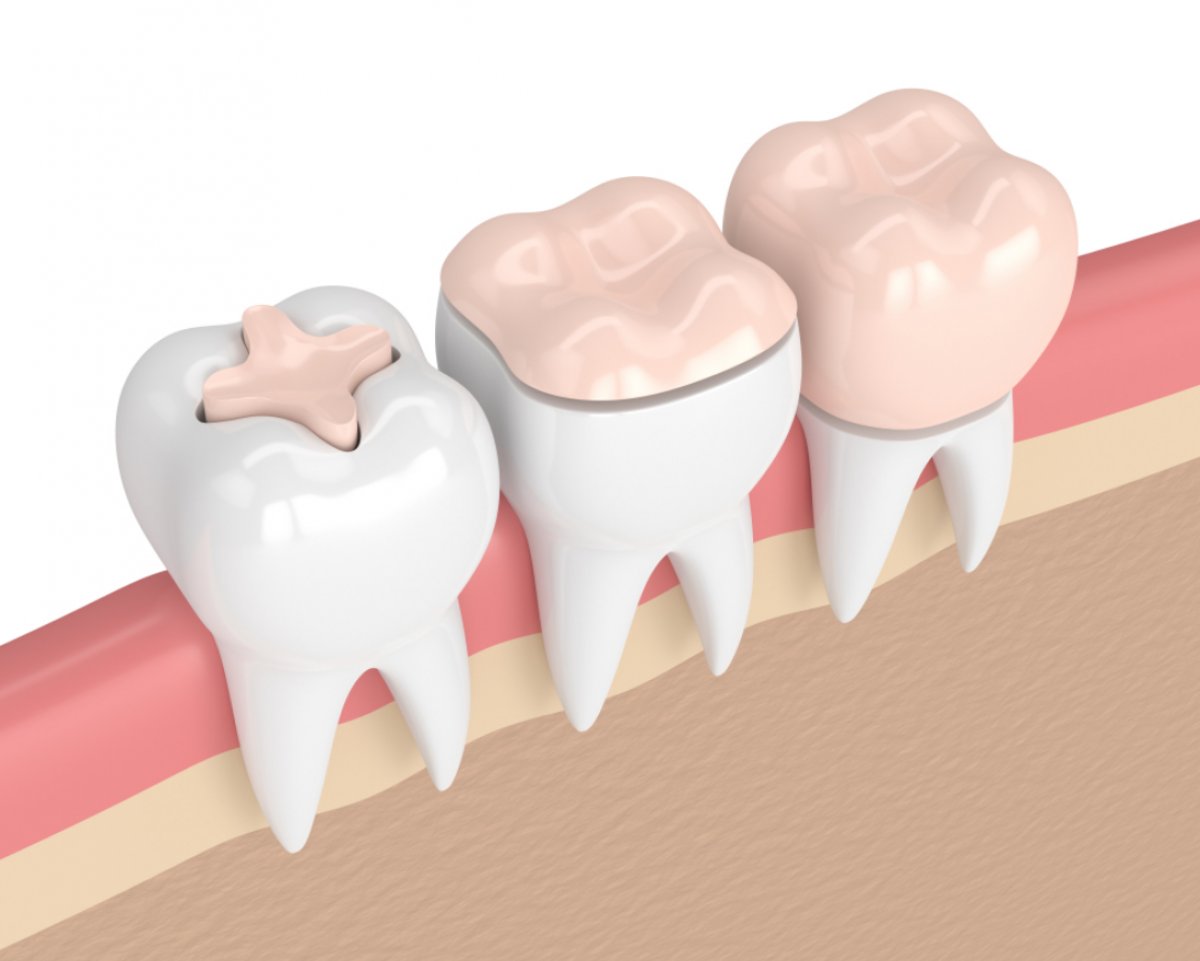
Maintaining the visual and functional gains obtained after prosthetic, conservative, or chemical arrangements performed on the mouth, teeth, and jaw structure for many years relies on supporting clinical successes with home care habits. Following procedures like porcelain laminate, zirconium crowns, E-Max veneers, composite bonding, or teeth whitening, the dental enamel, resin cements, and gum tissue are expected to go through a specific adaptation period. Current Aesthetic Dentistry approaches support the maintenance of tissue health by providing the patient with a detailed care protocol after the treatment is completed.
The care that individuals display after prosthetic restorations or chemical applications is a factor that directly affects the color stability and mechanical integrity of the materials. As emphasized in the clinical protocols of Avrupadent, there are specific medical rules to adhere to in order to maintain the biocompatible limits of tissues after each treatment.
How Should Nutritional Habits Be Organized in the First Days After Aesthetic Dental Treatment?
The resin-based cements used in the construction of prosthetic restorations continue their last chemical hardening stages during the first 24-48 hours due to the effects of ambient humidity and heat. During this delicate period, consuming extremely hot beverages or frozen foods can cause micro-level expansion stresses at the adhesive interface. Also, sticky foods such as caramel, gum, or Turkish delight should be avoided, as they can cause temporary crowns or newly constructed composite bonding materials to become dislodged or deformed.
Consuming hard foods by biting into them with the front teeth (for example, directly biting into fruits like apples, quince, or pears) can create a lever effect at the cutting edges of porcelain laminates or composite additions, leading to chipping. Therefore, during the first days, hard foods should be cut into small portions and chewed with the back teeth; this is a precaution that should be applied carefully to maintain the mechanical integrity of the restorations.
What Physical Sensitivities Should Be Considered When Using Temporary Restorations?
During porcelain veneer or zirconium crown procedures, temporary teeth made from acrylic or bis-acrylic resins are used for a period of 5-10 days until permanent teeth are produced in the laboratory after measurements are taken. These temporary teeth are constructed with weak temporary cements to protect the cut dentin surfaces from hot-cold sensitivity and to prevent aesthetic loss in social life.
Since they are held with weak cements, temporary teeth are sensitive to horizontal forces applied on them. Especially, pulling the dental floss upwards can dislodge the temporary bridge; instead, it should be pulled out laterally from the interface. In Avrupadent treatment management, patients are thoroughly informed about the importance of these temporary processes, and it is recommended that the teeth be carefully protected until permanent restorations are placed.
| Temporary Process Criteria | Situations to Consider | Possible Risk Factor |
|---|---|---|
| Eating and Biting Habits | Foods like apples and crusty bread should not be torn with the front teeth. | Breaking or dislodging of temporary teeth. |
| Application of Dental Floss | Instead of pulling the floss upwards, it should be pulled out laterally from the interface. | The temporary cement breaking and the restoration falling off. |
| Sticky Foods | Avoid products like gum and caramel. | Movement of the temporary structure due to the material’s composition. |
How Should Daily Oral Hygiene Be Maintained for Porcelain Veneers and Zirconium Crowns?
Even though the teeth to which prosthetic restorations are applied may not decay, the margin junctions where these restorations meet the gums are still open to bacterial plaque accumulation and gum inflammation (gingivitis). Insufficient hygiene can lead to swelling and recession in the gums, causing the edges of the porcelain to become visible and compromising aesthetic integrity. Therefore, the daily brushing routine should not be neglected.
In selecting a toothbrush, soft (soft) or medium hardness (medium) toothbrushes should be preferred instead of hard-bristled brushes that may damage dental enamel or composite/porcelain surfaces. When choosing toothpaste, products containing abrasive whitening particles should be avoided, and fluoride and non-abrasive formula pastes should be used. Regular hygiene is the most fundamental guarantee for maintaining the harmony of pink and white aesthetics for many years.
What precautions should individuals with bruxism (teeth grinding) take to protect their restorations?
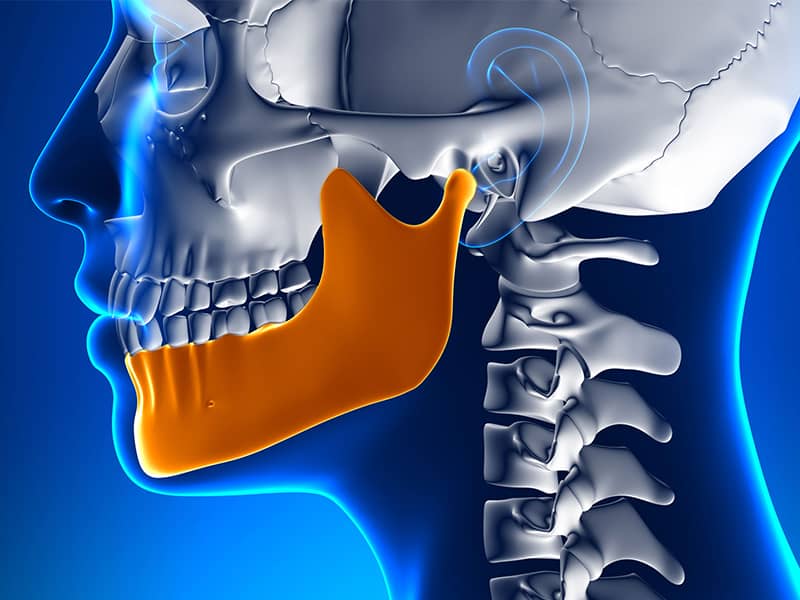
The act of grinding teeth unconsciously while sleeping or under stress results in the jaw muscles generating forces far beyond normal chewing. This can lead to chipping at the thin cutting edges of porcelain veneers or excessive buildup on the natural tooth roots beneath zirconium crowns. To achieve maximum effectiveness from these applications, it is essential to protect against such parafunctional habits before or immediately after treatment.
The night guards prepared by the physician, measured to fit the lower or upper jaw precisely, serve as a cushion that prevents the teeth from directly hitting ceramic surfaces while sleeping. Cleaning these transparent guards with water every morning and storing them in a special box ensures both the hygiene of the guards and protects the mechanical lifespan of the restorations.
How Do Colorant Food and Beverage Consumptions Affect Restorative Materials?
Porcelain veneers, zirconium, and lab-produced E-Max glass ceramic restorations have a non-porous surface due to being glazed at high temperatures, which prevents them from absorbing food dyes. However, this does not mean that these materials are completely stain-resistant. Especially, the resin cements or composite bonding applications used in the margins of restorations may exhibit sensitivity to external pigments to a certain extent.
Rinsing the mouth with plain water immediately after consuming dark-colored beverages limits the retention time of pigments on the surface of teeth, reducing the likelihood of staining. Since tobacco products can form yellow/brown layers on both natural teeth and porcelain edges, it is recommended to keep these habits under control to maintain the longevity of aesthetic treatments.
What Cleaning Tools Should Be Used to Protect Gum Health and Support Pink Aesthetics?
Narrow areas between teeth and regions where restorations meet the gums are points where standard toothbrush bristles struggle to reach. Bacterial plaques that accumulate in these areas pave the way for gum inflammation and tissue disruptions. Protecting pink aesthetics (the symmetrical and healthy appearance of the gums) is crucial as it directly complements the quality of white aesthetics, so interdental cleaning should not be neglected.
Dental floss mechanically removes plaques between adjacent teeth. In cases where there are wide gaps or cleaning beneath a bridge is performed, interdental brushes or pressurized water flossers provide effective cleaning support. Choosing the correct size for these tools and using them with the techniques recommended by the dentist is essential for the continuity of gum health.
What Are the Symptoms of Normal Adaptation Process That Can Be Seen After Restoration?
Any new foreign material or change in shape placed inside the mouth brings about a few days of adaptation period for the central nervous system and the muscles to adjust to this new situation. For example, if the tooth dimensions have been extended or thicknesses altered, the tongue may initially struggle with these new spaces, leading to minor phonetic (speech) variations. This situation usually self-corrects in a short period due to the muscle memory of the tongue.
In cases where a tooth has been cut, it is common for the tooth nerve to experience temporary irritation; this sensitivity generally diminishes and fades over time. However, severe throbbing that doesn’t subside with painkillers, increased responses to heat, or the feeling of early contact during occlusion are outside normal adaptation limits and require a doctor’s assessment.
Why is the Use of Dental Floss and Interdental Brush Important for Prosthetic Borders?
One of the most critical points determining the longevity of restorations is the marginal fit between the tooth and the crown. Regardless of how perfectly this margin is sealed, if food debris accumulating in the interspaces is not cleaned, bacteria will produce acids that irritate the gum. Over time, the irritated gum will retract, exposing the porcelain margin.
The external tip physically removes food remnants beneath the interface contact points, preventing these inflammatory processes. The interface brushes should be selected according to special diameter measurements for each gap and should be used with soft movements that do not damage the gum tissue. This mechanical cleaning habit supports the long-term health of prosthetic investments.
When Should You Urgently Visit a Dentist?
After aesthetic dental treatments, the aim is for patients to comfortably continue their daily lives; however, some unexpected traumas or occlusal imbalances can cause situations that require emergency intervention. For example, if a piece breaks off the porcelain laminate due to biting into a hard food, both aesthetic integrity is compromised, and the underlying sensitive dentin tissue comes into contact with the oral environment.
Similarly, if a crown that has been cemented comes off due to the weakening of the adhesive, the exposed part of the tooth can be vulnerable to bacteria and the root surface may be damaged. In such emergency situations, it is crucial to consult a dentist without delay to perform the necessary repair or re-treatment processes in order to preserve tissue health.
How Are Post-Op (Post-Treatment) Follow-Up Criteria Applied in Avrupadent Procedures?
In corporate healthcare service standards, the completion of treatment does not signify the end of the relationship between the physician and the patient; rather, post-op (post-surgery/procedure) follow-up periods form the basis of long-term success. In European dental clinics, written and verbal care instructions are given to each patient at the end of treatment.
During the first control session, early contacts formed during chewing are examined, and the occlusion is adjusted millimetrically. In periodic six-month controls, both the general decay risk of natural teeth is screened, and porcelain surfaces are restored to their initial shine with professional brushing and polishing pastes. This transparent and sustainable follow-up flow maintains the comfort of aesthetic investments for years.
What are the Frequently Asked Questions?
1. What should be eaten in the first days after aesthetic dental treatment?
In the first days, soft-textured foods that are warm, not very hot or cold, should be preferred to allow for the complete hardening of adhesive cements.
2. Can apples or hard fruits be bitten with porcelain laminates?
In the first days and in general use, hard fruits should not be bitten off with the front teeth, but rather cut into small pieces and chewed with the back teeth.
3. What should I do if my temporary teeth come out?
If a temporary crown comes off, one should go to the clinic without panicking. It should be promptly reattached by the dentist to avoid sensitivity in the teeth and prevent shifting.
4. I have a tooth grinding habit; what happens if I don’t use a night guard?
Not using a night guard can lead to unintended high muscle pressure that may cause breakage in porcelain laminates or wear in zirconium infrastructures.
5. What should I do to prevent staining on my teeth after whitening?
In the first weeks after whitening, one should avoid staining substances such as tea, coffee, red wine, and cigarettes, and adhere to the “white diet” rule.
6. Do porcelain veneers stain themselves?
Porcelain ceramics fired at high temperatures in the lab do not stain themselves due to their non-porous structure, but there may be slight discolorations at the margins.
7. Does using dental floss harm porcelain teeth?
It does not harm; rather, it is one of the most important hygiene steps to keep the gum healthy by preventing plaque accumulation at the gum lines.
8. Is it normal to have sensitivity to hot and cold after restoration?
Mild sensitivity in the first few days after the procedure is part of the physiological adaptation process; however, increasing pain requires a dentist’s evaluation.
9. Which toothpaste should I use?
Toothpastes with low abrasive (aggressive whitening) rates, and those that are non-abrasive and fluoride-containing are recommended to protect both porcelain and natural tooth lifespan.
10. How often should I get my check-ups?
As with general dental health standards, it is advised to visit routine check-ups every 6 months after aesthetic treatments.
11. Does smoking stain zirconium coatings?
Zirconium surfaces do not yellow from cigarette smoke; however, long-term tobacco use can discolor the gums, negatively affecting aesthetic appearance.
12. Is it necessary to brush teeth immediately after eating?
Instead of brushing teeth immediately after consuming acidic foods, it is more suitable for enamel health to rinse the mouth with water and brush after 30 minutes.
13. If porcelain laminates break, can they be repaired?
Small surface defects can rarely be polished and masked with special composite resins, but larger breakages may require the replacement of the porcelain.
14. If gum recession occurs, will the porcelain still look good?
Over time, if gum recession occurs, the edge line of the porcelain may become visible. However, since there is no metal in zirconium or full ceramics, color mismatch remains minimal.
15. How is care training provided according to Avrupadent standards?
Once the treatment is completed, brushing techniques, the use of dental floss, and interproximal brushes are practically taught to the patient by the doctors.