What Should Be Considered After Implant Treatment? Recovery Process Guide
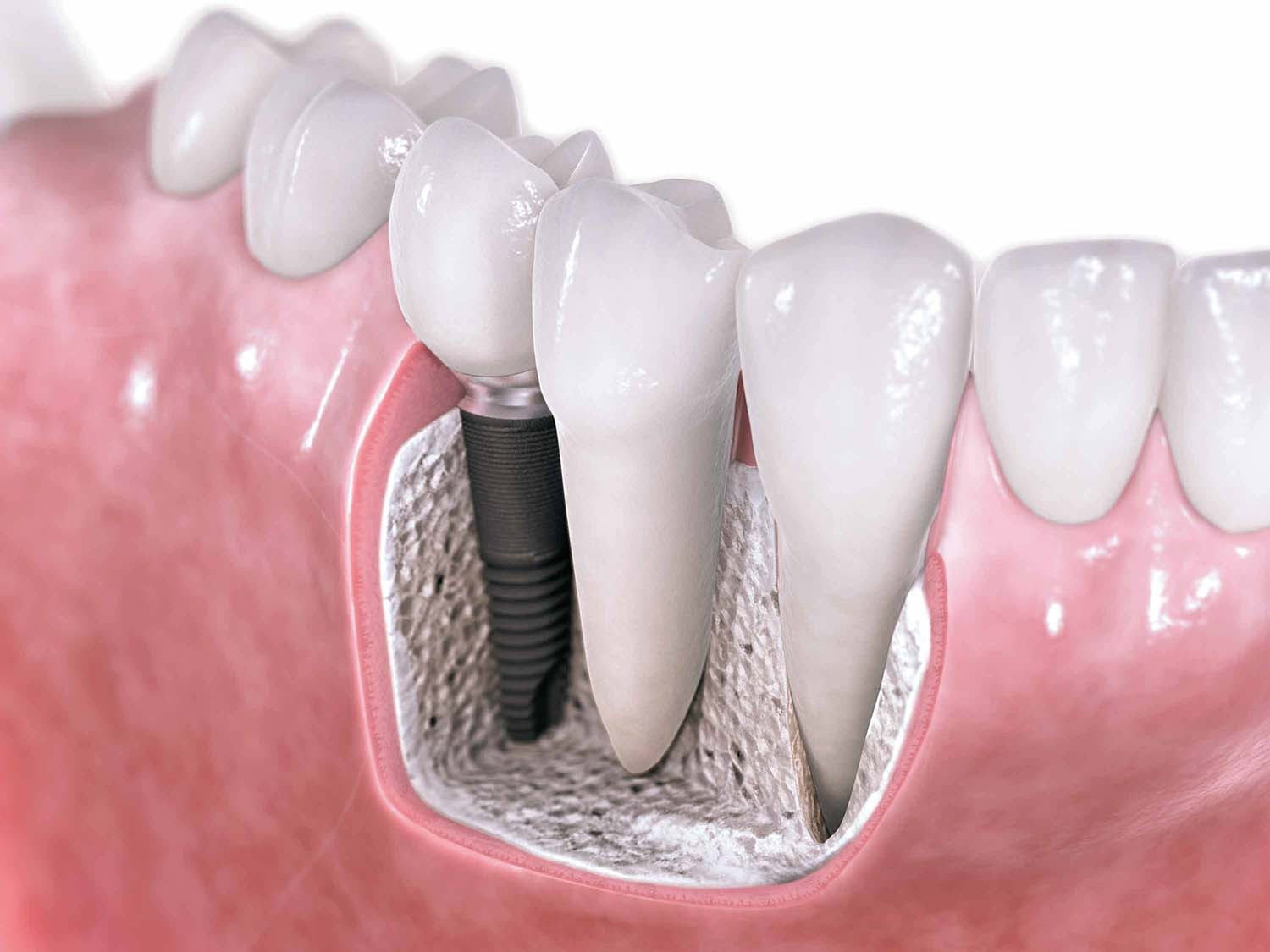
Oral and jaw surgery procedures are the beginning of a dynamic healing cycle where the body’s natural biological repair mechanisms are activated, rather than a static intervention that ends at the moment of the operation. In the implantology treatments applied to compensate for missing teeth in the jawbone, a cellular adaptation period is needed for titanium roots to establish a structural integrity (osseointegration) with the body’s tissues. This adaptation period involves certain medical disciplines that require the patient to align their daily habits from the moment they leave the operating chair.
The physical reactions encountered after the surgical intervention are physiological signs indicating that the body is trying to repair the wound area. The role that patients take on during this process is to meticulously integrate the medical guidelines set by the physician into their daily habits, preparing a suitable ground for the body’s repair capacity. Modifying dietary routines, organizing oral hygiene practices to protect the relevant area, avoiding mechanical traumas, and maintaining disciplined medication use are of great value for the clinical process to progress according to medical standards. In this guide, all critical parameters that need attention after the operation are explained in an objective medical language along with their anatomical and biological justifications.
What Rules Should Be Followed in the First 24 Hours After the Operation?
In the area where the surgical incision is made, the body’s primary defense mechanism, bleeding control, and the “hemostasis” (clotting) process come into play. Exudate from capillaries forms a fibrin mesh (clot) that acts as a biological plug against the external environment. If the patient exhibits a reflex to bite down or aggressively swish water in the first 24 hours, the negative pressure (vacuum effect) within the mouth can cause this delicate clot layer to break loose. Once the clot detaches, the wound area remains exposed, and bleeding resumes in the form of exudate.
Using a straw to consume beverages is also medically restricted because it alters intraoral pressure. Additionally, thermal stimuli should be considered in the management of the first day. Excessively hot foods like tea, coffee, or soup can cause vasodilation, which is the widening of blood vessels. The dilated vessels accelerate fluid flow in the area, setting the stage for increased edema (swelling) and heightened bleeding tendencies. Patients are expected to minimize activities related to speaking and chewing on this first day to allow biological rest for the wound area.
| Initial 24 Hours Applications | Medical Justification |
|---|---|
| Avoiding Biting | To prevent negative pressure in the mouth from displacing the clot. |
| Avoiding Straw Use | To prevent the vacuum effect from disrupting tissue stabilization in the wound area. |
| Avoiding Hot Beverages | Controlling the risk of bleeding by limiting vascular dilation. |
| Avoiding Contact with the Area Using the Tongue | Preventing the tension on the suture line by causing mechanical irritation. |
How Should the Nutrition Plan be Organized After Surgical Procedure?
The oral flora is the first station where mechanical and chemical digestion of foods begins. After a surgical operation, the functional operation of this area should be temporarily revised. Especially in the first 3 to 5 days, it is clinically necessary to avoid hard foods that can strain the chewing muscles and irritate the wound area (flap edges) by cutting into the gum tissue (for example, dried fruits, chips, crusty bread). The softer the physical form of the foods, the lower the mechanical stress transmitted to the jawbone and sutures.
The thermal properties of the foods (temperature) also affect the healing tissues. Ideally, foods like soup, yogurt, vegetable puree, or fruit puree should be served at room temperature or slightly warm (heated). Overly spicy, bitter, or acidic foods (citrus juices, vinegar, etc.) can create chemical irritation (burning) on exposed wound surfaces, negatively affecting the patient’s comfort. Chewing should be done as much as possible with the other side of the jaw that has not undergone surgical intervention, thereby isolating the newly placed materials from mechanical pressure.
How Should the Oral Hygiene of the Sutured Area be Maintained?
Maintaining oral hygiene after surgical procedures is crucial for the smooth healing of the surrounding tissue and for preventing opportunistic bacteria from penetrating the wound. However, while following the cleaning routine, mechanical force should be avoided on the wound area. Standard toothbrush bristles can scratch the undeveloped epithelial tissue and can break the sutures that hold the wound edges together. Therefore, the surgical site is exempt from direct brushing until the stitches are removed.
To chemically control dental plaque in the area, medical mouthwashes containing active ingredients such as chlorhexidine gluconate are used. During the use of mouthwash, it is recommended that the liquid is not shaken violently in the mouth but is directed passively to the relevant area and held there. The other teeth that did not undergo surgical intervention should be brushed meticulously, as the overall bacterial load in the mouth is expected to decrease. After the stitches are removed or dissolve, mechanical cleaning of the area can be slowly transitioned to soft-bristled surgical brushes, as directed by the physician.
How are Medication Use and Medical Prescriptions Monitored?
In dental surgery, the procedures are performed in an environment that naturally harbors bacteria, such as inside the mouth. Therefore, the use of “prophylactic” (preventive) medication is an integral component of treatment planning. The purpose of the prescribed antibiotics is to suppress the proliferation of bacteria that may reach deep tissues or bone when a wound is opened, thereby creating a safe time interval for tissue healing in the body’s immune system. Even if the patient does not experience pain, using the antibiotic for the duration specified by the physician is essential for the medical safety of the clinical process.
Pain relievers and anti-inflammatory medications not only alleviate the sensation of pain but also chemically control the inflammation that develops as a result of tissue trauma in the operation area. Taking these medications with plenty of water after meals and on a full stomach helps protect the stomach mucosa. Guidelines regarding the use of other medications regularly used for the individual’s existing systemic diseases (such as blood pressure, thyroid medications, etc.) are followed in the framework of consultations made with physicians during the initial examination.
When Should Physical Activities and Exercises Begin?
All activities where the body exerts physical effort directly increase the cardiac output and the pressure in the circulatory system. In the early stages of healing, the vessels in the wound area are sealed only with a delicate layer of fibrin clot. During sports activities such as lifting weights, running, or brisk walking, the increased blood flow toward the head and neck area can put strain on the capillaries in the surgical area, potentially leading to secondary bleeding or tissue seepage.
Similarly, sudden movements that require the head to dip below body level also restrict pressure changes in the area during healing days. Particularly in clinical situations where advanced surgical maneuvers like bone grafting or sinus lift are performed, it is medically advised to maintain this resting period for a longer duration (approximately one week to ten days). Light, short walks can be added to the usual routine a few days after surgery to support overall circulation.
How Do Tobacco and Alcohol Consumption Affect Biological Repair?
The repair of any surgical tissue relies on the uninterrupted access of oxygen carried in the blood, healing factors, and reparative cells to the wound site (vascularization). The nicotine present in cigarette smoke creates ‘vasoconstriction’, which mechanically limits blood flow. When sufficient oxygen does not reach a tissue that has constricted blood vessels, the metabolic rate of the cells decreases. This slowdown negatively affects the stability of the process by delaying the encasement of the titanium piece placed in the jawbone with calcified (hard) bone cells. Additionally, the heat from cigarette smoke can cause the suture line to dry out, leading to the opening of the wound edges.
Alcohol consumption has a suppressive effect on the blood’s clotting functions and can hinder the metabolism of prescribed antibiotics or painkillers by affecting liver enzymes. Additionally, contact between liquids with a high alcohol content and open wounds can lead to local tissue irritation and cellular water loss (dehydration). Physicians recommend that these products not be used until tissue closure is achieved and the cellular adaptation phase reaches a certain medical level (at least a few weeks).
How is Bleeding Control and Dressing Applied?
When the patient gets off the operating chair, the sterile tampon placed by the physician applies mechanical pressure to the tissue surface, helping to stop bleeding in capillaries and activating the clotting mechanism. Chewing, frequently changing, or absorbing this tampon can disrupt the targeted pressure and prevent clot formation. Once the specified time has elapsed, the tampon should be gently removed from the mouth, and a new one should not be placed; as each new dry tampon can detach the newly formed clot.
The pink discoloration or streaks of blood seen on the first day is a natural physiological response of the body and is not considered active bleeding. The table below provides information regarding the management of the differences between oozing and active bleeding:
| Clinical Condition | Symptoms | Medical Management and Approach |
|---|---|---|
| Mild Oozing | Clear fluid mixed with blood appearing in a light pink color can be observed within the first 24 hours after the procedure. | Considered normal. The mouth should not be disturbed or packed with a tampon; it will stop spontaneously. |
| Active Bleeding | A continuous flow of blood rapidly accumulating in the mouth, red in color and non-clotted. | A sterile gauze pad should be rolled and applied firmly to the area; if the condition persists, the relevant physician should be consulted. |
How to Manage Unexpected Swelling (Edema) and Bruising?
The processes involving the separation of the gum tissue flap and application to the jawbone lead to the prevention of fluid leakage from the cells in the area and open the way to what is referred to as ‘swelling’ tissue reactions. Swelling is a natural part of inflammation (the body’s response) and indicates that the body’s defense cells are being transported to that area. To limit the volume of swelling, which typically peaks at 48 hours after the procedure, ‘cold therapy’ is applied during the first 48 hours. Ice or gels applied externally constrict the blood vessels, limiting fluid output. To prevent cold applications from damaging the skin, it is essential to apply for an average of 10 minutes and then rest for 10 minutes.
Once the 48-hour acute period has passed, the metabolic needs of the cells change. To allow the swelling to subside and for the bruises (ecchymosis) from the infiltrated blood in the area to resolve, there is a need for the vessels to gently expand rather than constrict. At this stage, warm compresses applied with a heating pad or hot water bottle (ensuring it doesn’t burn the skin) help accelerate local blood flow. The enhanced circulation also aids in the expulsion of accumulated fluids between the tissues, facilitating a return to the normal anatomical form of the face.
What Should Be Observed During Sleep Position and Resting Period?
In human physiology, gravity directly affects the distribution of fluids in the body. When lying flat (on your back), the heart aligns with the same horizontal plane, and the pressure inside the vessels in the head region (hydrostatic pressure) increases somewhat. Capillaries in the chin area, which have undergone a surgical operation, are sensitive to this increase in pressure. Using two pillows for the head or elevating the head of the bed at an angle of 30-45 degrees reduces the pooling of blood and interstitial fluids in the head region.
Additionally, avoiding lying on the side where the operation was performed during sleep prevents local pressure. Prolonged contact with the side pillow can cause compression, potentially leading to noticeable swelling in that area upon waking. Rest is a medical support necessary for the body to redirect all its energy towards cellular renewal; therefore, during the initial days, it is recommended to establish a good quality sleep pattern without physically straining the body.
When Are Control Appointments Scheduled in Avrupadent Clinic Processes?
In the organization of a medical treatment process, assessing and monitoring the patient’s specific anatomical data is key to success. The first clinical visit following the operation is typically scheduled for the average 7th or 10th day due to implantology procedures. During this short appointment, the healing status of the gums is observed, wound hygiene is examined, and if the epithelial tissue has closed, stitches are removed.
In the months following this cellular waiting period, patients are called for radiological follow-ups. The formation of bone density around the titanium material is analyzed in the X-rays or three-dimensional tomographies taken. In some clinical situations, special devices (such as ISQ devices) are used to conduct resonance measurements, mathematically testing the stability of the component within the bone. When biomechanical data reach safe reference ranges, medical guidelines in line with laboratory and measurement stages are provided. This periodic appointment discipline contributes to managing the process within the framework of medical predictability.
What Functional Limitations Exist in the Use of Temporary Prostheses?
Especially in cases of anterior region (gingival line) losses or complete edentulism, the months-long waiting schedule can create difficulties for patients psychologically and socially regarding the transition without teeth. To support this process, non-functional temporary acrylic or clear plate-type prostheses that do not transmit pressure to the titanium implant are designed. If a complete denture is used, it is covered with a special soft liner to reduce irritation over the sutures.
The primary medical principle in the use of these temporary structures is to fill the space aesthetically, but not to actively participate in the functions of chewing. The microscopic cellular networks developing between titanium and bone are still very fragile. The “micro-mobility” that occurs when a temporary tooth is bitten into a hard apple or dry fruit can lead to the formation of soft connective tissue (fibrous encapsulation) instead of the cells creating calcified bone. This situation may result from the material not integrating with the bone, so careful avoidance of hard contacts with temporary appliances is essential.
Frequently Asked Questions (FAQ)
1. When can I have my first meal after the operation? Because eating before the effect of the applied local anesthesia completely wears off (about 2-3 hours) will increase the risk of biting the cheek or tongue, the first meal can be consumed after the numbness has gone away. 2. Is it normal to have a taste of blood in the mouth? It is a normal physiological condition for very light pink leaks to mix with the saliva for the first 24 to 48 hours and it does not indicate a clinical picture that should raise concern. 3. Is there any harm in touching the sutured area with my tongue? The tongue’s constant contact with the wounded area can create mechanical irritation, stretching the suture threads or disrupting the clot; therefore, it is important to keep that area passive for proper wound healing. 4. What should I be careful about while gargling? Instead of vigorously swishing the antibacterial liquid inside the mouth after taking it, it is recommended to gently tilt the head to let the liquid passively sit in the relevant area for a few minutes and then gradually swallow it. 5. Can I take a hot bath or shower? Taking a hot bath with very hot water or being in steam-filled environments in the early days can trigger body heat and blood vessel dilation, so having a warm shower is medically more appropriate. 6. Does laughing or making facial expressions strain the stitches? Especially after surgeries in the frontal area, exaggerated lip movements that cause excessive tension (for example, laughing or overly stretching the lips) should be avoided as they can lead to minor stretching at the stitch line; more controlled facial expressions are preferred. 7. What should I do if medications upset my stomach? Certain antibiotics and painkiller groups can cause sensitivity in the stomach lining. Taking medications on a full stomach with plenty of water reduces this effect; if the problem persists, the doctor should be informed for dosage or medication adjustments. 8. Can I brush my teeth on the day of the operation? The area where the surgical incision is made should be kept completely away from brushing; however, other healthy teeth that have not undergone surgery can be brushed carefully without creating pressure while rinsing the mouth. 9. When will the swelling on my face start to go down? The swelling (edema) linked to cellular defense usually peaks on the 48th hour and then gradually decreases over 5-7 days as it is absorbed by the body’s lymphatic system. 10. Does flying affect the healing process? Under normal conditions, cabin pressure on an airplane does not cause issues; however, if advanced procedures like sinus lifting have been performed, the doctor may limit flights in the initial days due to potential pressure differences. 11. When does numbness in the lips and cheeks go away? The duration of local anesthesia typically decreases and ends within 2 to 4 hours, depending on the substance used and the individual’s metabolism. 12. Are the stitches absorbable or do they need to be removed? The type of stitch (suture) material is determined by the doctor. Absorbable stitches dissolve on their own within weeks, while non-absorbable threads are generally removed by the doctor at a clinical appointment about 7-10 days later. 13. Is whitening in the operation area a sign of infection? The whitish-yellowish soft tissue appearance around the wound edges and stitches in the initial days is usually a fibrin accumulation and is not a sign of infection, but rather a part of the normal wound healing process. 14. Is there any restriction on consuming tea or coffee? Drinks like tea and coffee are restricted in the initial days due to their temperature. They can be consumed comfortably after being brought to room temperature (in a warm form) without putting pressure on the wound area. 15. Does consuming dairy products have an effect on healing? There is no harm in consuming dairy products, but because excess milk in some oral floras can accelerate the formation of bacterial plaque, rinsing the mouth lightly with water or using mouthwash after consumption is a supportive measure. |