What Should Be Done to Ensure the Longevity of Aesthetic Dental Treatments?
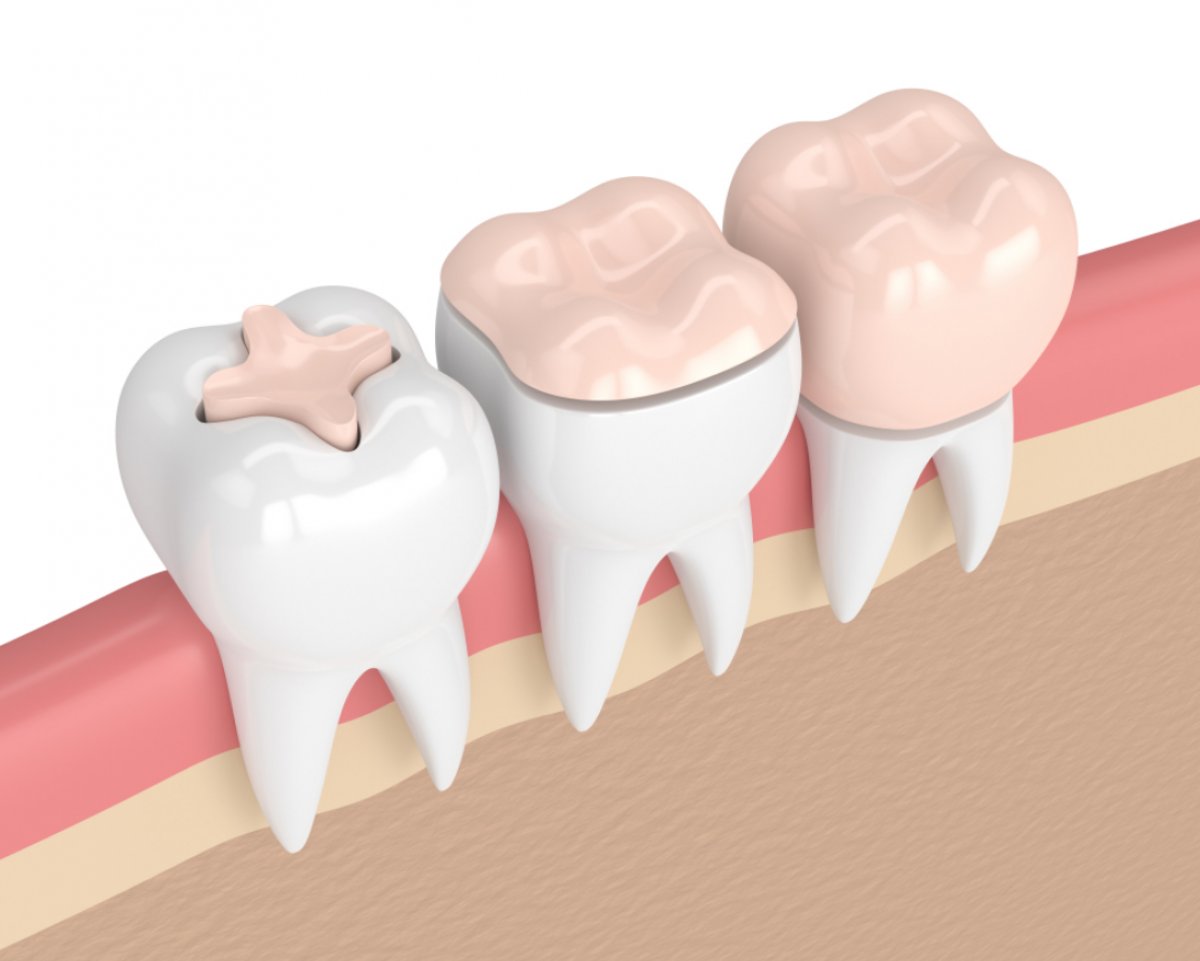
The form and color compatibility obtained after the application of porcelain laminates, zirconium crowns, composite bonding, or E-Max restorations, which are performed within the scope of oral and jaw health, is a joint result of clinical success and the quality of home care. The mechanical lifespan of prosthetic applications is directly related to the patient’s habits within the oral cavity as much as it depends on the physical strength of the material. Modern Aesthetic Dentistry disciplines offer customized protective programs to patients to maintain the biocompatibility limits of restorations.
Regardless of how advanced the technologies used in the production of ceramic or resin veneers applied to the teeth, imbalances in jaw closure forces or insufficient oral hygiene can lead to material wear. In accordance with the clinical protocols at Avrupadent, maintaining gum health is a fundamental prerequisite for preserving the edge alignment of porcelains.
What Are the Key Factors Affecting the Durability of Aesthetic Dental Treatments?
The lifespan of restorative procedures resembles a chain made up of interconnected links. The first link is an accurate diagnosis and material selection. The physical forces exerted on a zirconium crown applied to the back molars differ from those on a thin laminate applied to the anterior region. Therefore, selecting a biocompatible material suitable for the mechanical requirements of the case is the first and most critical step.
The second link is the quality of clinical application. Proper surface preparation, ensuring a dry working field (rubber-dam isolation), and the quality of cementation primarily determine the retention strength of the restoration to the tooth. Adhering to these technical details during Aesthetic Dentistry procedures is fundamental for supporting the porcelain’s seamless presence in the mouth for years.
How Does Teeth Grinding (Bruxism) Threaten Prosthetic Restorations?
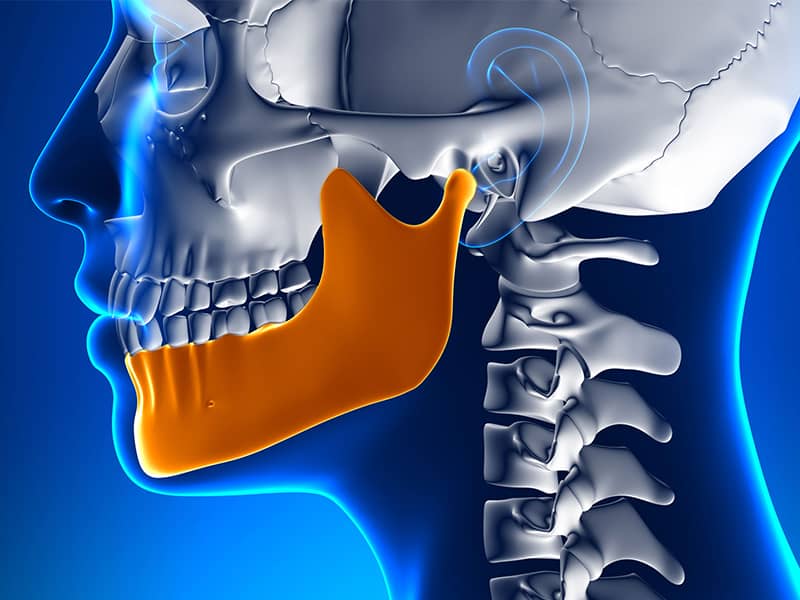
The normal chewing function of the jaw muscles (masseter and temporal muscles) generates forces within certain limits; however, in bruxism patients, these forces increase significantly during sleep. Although ceramic crowns are resistant when faced with compressive forces, they can fatigue in the long term when exposed to abnormal horizontal sliding and shear stresses.
To eliminate this mechanical threat, personalized clear night splints should be prepared immediately after aesthetic treatments for individuals with a history of teeth grinding. These protective splints absorb stress by preventing the teeth from directly impacting ceramic surfaces during sleep and prolong the lifespan of restorations.
| Mechanical Threat | Impact on Restoration | Method of Protection |
|---|---|---|
| Bruxism (Teeth Grinding) | Chipping at the incisal edges and ceramic fatigue. | Use of a personalized clear night splint. |
| Hard Object Biting | Sudden breakage and detachments in laminates or crowns. | Avoiding the breaking of hard-shelled foods with front teeth. |
| Occlusal Imbalance | Excessive load on a specific area due to early contacts. | Millimetric balancing of occlusion during clinical checks. |
How Daily Oral Hygiene Habits Extend Material Lifespan?
Although teeth restored with prosthetic restorations may not decay, the margins where these structures meet the gums are areas prone to bacterial plaque accumulation and gum inflammation. Insufficient hygiene can lead to gum recessions, exposing the margins of the porcelain beyond their intended boundaries.
Proper brushing techniques and daily dental floss use help keep these margins clean, preserving tissue health. This hygiene discipline, imparted to patients at Avrupadent clinics, is the most protective habit that maintains the harmony of pink and white aesthetics for many years.
Does Diet and Color-Staining Foods Affect Restorations?
Ceramics that are processed in laboratory furnaces at high temperatures are non-porous and do not absorb food pigments. However, bonding materials or porcelain edge cements may be sensitive to external pigments. Rinsing with water after consuming dark-colored beverages can help mitigate the risk of staining.
From a mechanical standpoint, chewing hard foods with back teeth instead of the front teeth, prevents chipping that can occur on the cutting edges of ceramic veneers. A balanced diet and proper consumption habits support the longevity of aesthetic treatments.
Why Are Periodic Dental Check-ups Important for Maintaining Occlusal Balance?
The dynamics of chewing within the mouth are a dynamic process; gradual wear on the teeth can lead to the concentration of closure forces at certain points. These early contacts can lead to excessive stress accumulation on porcelain structures.
During six-monthly periodic examinations, the doctor detects these early contacts with the help of occlusal paper, making small adjustments and corrections. These preventive interventions are significant clinical steps that extend the lifespan of restorations and ensure joint health.
How Does Gum Health (Pink Aesthetics) Support Prosthetic Success?
The quality of white aesthetics is directly related to the symmetry and health of the surrounding pink tissue. Active gum inflammations or swellings negatively affect the fit of porcelain margins. Maintaining gum health through brushing and dental floss is a fundamental biological rule that ensures the longevity of aesthetic dental treatments.
In European standards, the optimization of gum health is completed before prosthetic phases and is monitored with periodic checks after treatment. A healthy gum framework preserves the natural appearance of porcelain for years.
How Does the Lifespan Comparison of Porcelain Laminates with Composite Bonding Work?
Bonding is a practical method that can be done in a short time without touching the dental tissue, but the polymer matrix is softer compared to porcelain. Porcelain veneers are much more resistant to wear and staining because they are made of high-temperature fired glass-ceramic material.
The method to be chosen is determined by the physician according to the patient’s expectations, economic preferences, and the structural condition of their teeth. In both cases, regular check-ups by the physician are the most crucial factor affecting longevity.
| Type of Restoration | Manufacturing Location and Material | Average Care and Longevity Criteria |
|---|---|---|
| Composite Bonding | Direct resin addition at the chairside. | Regular polishing and surface renewal may be required every few years. |
| Porcelain Veneer | Glass-ceramic firing in a laboratory environment. | Offers stable form for many years with high wear resistance. |
| Zirconium Crown | Crystal framework milled with CAD/CAM. | With its mechanical strength, it has a long lifespan in both anterior and posterior regions. |
What Types of Damage Do Improper Oral Care Habits Cause to Restorations?
Some cleaning methods applied unknowingly by individuals in their home environment can harm aesthetic dental treatments. For example, using very stiff toothbrushes with aggressive movements can wear down the glaze layer of porcelain, causing it to become dull and increasing food retention.
Moreover, neglecting the cleaning of interfaces can lead to gum recession and infections. It is essential to abandon these harmful habits and adhere to the physician’s recommendations to protect aesthetic investments.
What are the Protocols Extending Restoration Lifespan According to Avrupadent Standards?
In institutional medical service standards, the success of an aesthetic treatment is measured not only by its appearance on the day it is done but also by the health it retains years later. Detailed care instructions are provided to every patient after the completion of prosthetic procedures at Avrupadent clinics.
Occlusal adjustments and professional cleanings performed during periodic examinations ensure the initial form and brightness of restorations are maintained. This multidisciplinary approach guarantees long-term clinical success.
What are Frequently Asked Questions?
1. Are aesthetic dental treatments permanent throughout life?
No prosthetic restoration is mechanically everlasting; however, with proper care, the use of a night guard, and regular check-ups, it can be used smoothly for many years.
2. Do porcelain veneers yellow over time?
Glazed glass-ceramic porcelains do not self-yellow due to their non-porous structure, but slight discoloration may be observed at the margin cements.
3. Is using a night guard really effective in protecting porcelains?
Yes, it is the most effective protective method that prevents the breakage of porcelains by absorbing involuntary high pressures caused by bruxism.
4. Does using dental floss harm porcelain teeth?
It does not harm; on the contrary, it is the most important hygiene step that protects tissue health by preventing plaque accumulation at the gum borders.
5. Can zirconium crowns break from hard foods?
Zirconium has high fracture resistance; it does not break while chewing normal foods, but trauma like breaking with hard-shelled nuts should be avoided with front teeth.
6. Should composite bonding be renewed?
Since composite resins are softer than porcelain, they may show slight wear over the years, but their lifespan can be extended with simple polishing or renewals performed in the clinic.
7. Which toothpaste prolongs the life of restorations?
Toothpastes with low abrasive rates, non-abrasive formulas, and fluoride prevent the surfaces of both porcelains and natural teeth.
8. Does smoking affect zirconium crowns?
Zirconium surfaces do not get stained by cigarette smoke, but long-term use of tobacco can discolor the gums, negatively affecting aesthetic appearance.
How often should I have my check-ups?
It is recommended to have routine dental check-ups every 6 months after aesthetic treatments, as is standard in general dental health guidelines.
Is it necessary to brush right after eating?
Instead of brushing immediately after consuming acidic foods, it is more appropriate for enamel health to rinse the mouth with water and brush 30 minutes later.
Can porcelain laminates be repaired if they break?
Small surface defects can rarely be masked by polishing with special composite materials, but larger breaks may require replacing the porcelain.
What happens if the gums recede, will the porcelains show?
If the gums recede over time, the edge of the porcelain may become exposed, but since there is no metal in zirconium or full ceramics, color mismatch remains minimal.
Can the interproximal brush be used on every tooth?
Interproximal brushes selected in sizes appropriate for the width between teeth must be used carefully so as not to damage the gum tissue.
Why is occlusal balance so important?
It prevents excessive force from being applied to a specific tooth, which can lead to the breaking of porcelain or trauma to that tooth.
How is longevity ensured in European dental standards?
Quality material selection, precise orthodontic planning, and periodic professional checks are implemented together.