How Many Days Are Implant Teeth Made In? How Is The Process Managed In Izmir?
The surgical procedures applied to compensate for missing teeth vary in time periods depending on an individual’s physiological structure and the condition of the jawbone. This method, based on the biocompatibility of titanium materials with human tissue, involves a multi-stage biological integration process. Avrupadent, located in Izmir, plans these clinical steps based on detailed radiological analyses.
What Is An Implant Tooth and How Is Implant Treatment Planned In Izmir?
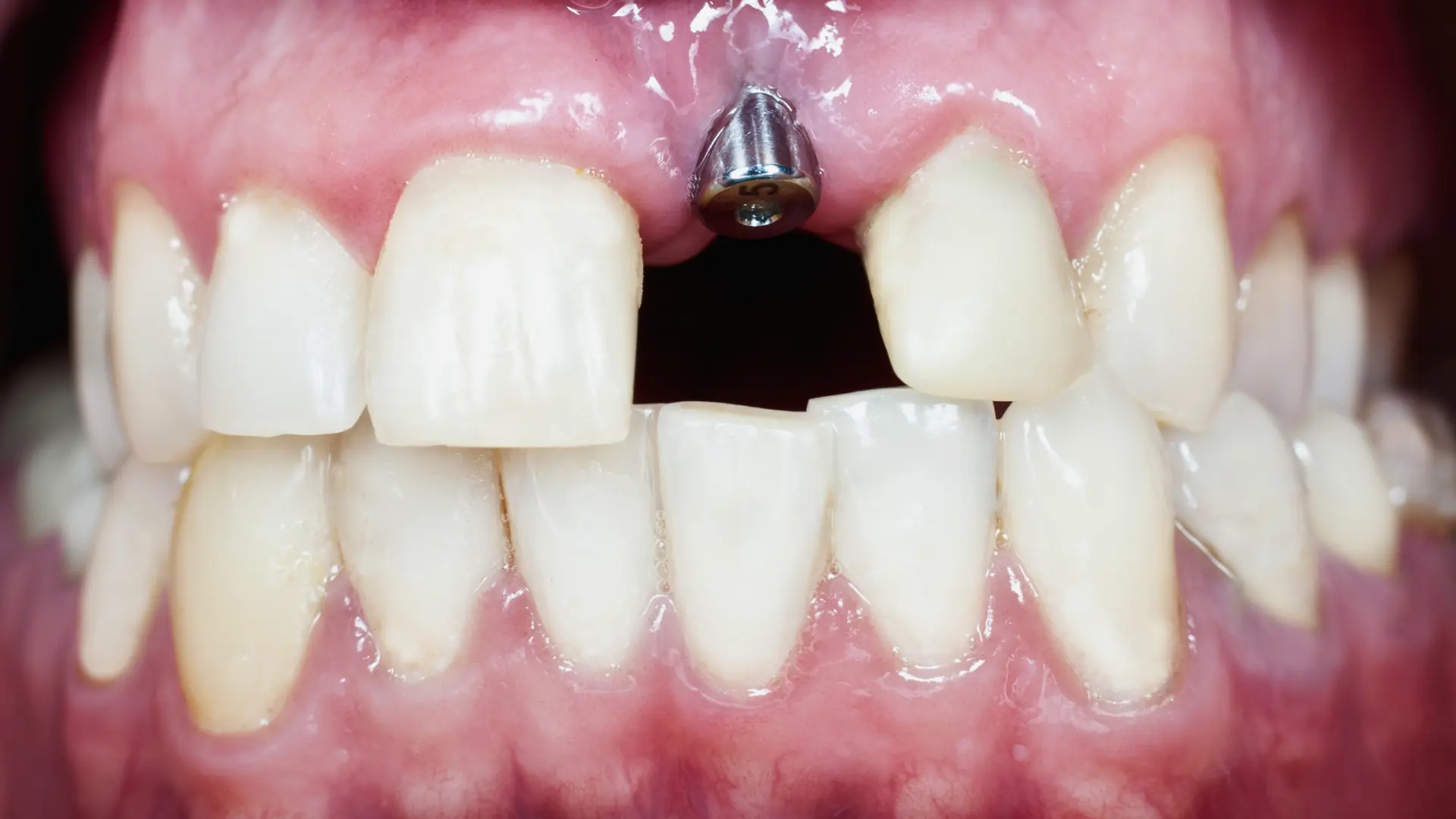
An implant tooth is an artificial dental root, usually made of titanium, placed into the jawbone to replace missing teeth. The planning process conducted in Izmir begins with panoramic X-rays or three-dimensional dental tomography; a personalized schedule is created by assessing the patient’s bone density, anatomical cavities, and overall systemic health condition.
Titanium screws manufactured according to medical standards are used to compensate for the functional and aesthetic losses caused by missing teeth. The titanium element is one of the rare metals that is not rejected by the human body and can form a structural unity (osseointegration) with bone tissue. This biological integration ensures that the chewing forces acting on the prosthetic tooth are directly transmitted to the bone. It aims to create a mechanism similar to that of a natural tooth root. The radiological examinations conducted at the beginning of the procedure are significant in mapping critical anatomical structures, such as the location of the mandibular nerve canal in the lower jaw and the volume of maxillary sinus cavities in the upper jaw.
In the European clinics, during this process, the current state of the mucosal tissues is primarily analyzed. If there are active infections or periodontal (gum) diseases, they are included in the treatment program. The width, height, and density of the jawbone are measured. The planning phase creates the roadmap for the surgical operation. This detailed preparation stage aims to minimize potential anatomical surprises that may be encountered during the operation. In these stages, which are carried out in accordance with the Ministry of Health guidelines, the patient’s medical history, medications used, and any systemic discomforts are documented for a multidisciplinary evaluation.
How is Dental Implant Surgery Done in One Day and What Are the Stages?
The surgical placement of the dental implant into the jawbone takes an average of 20-30 minutes in one session. However, the main process, which is the fusion of the titanium root with the bone (osseointegration), requires approximately 2 to 3 months in the lower jaw and 3 to 6 months in the upper jaw. The process concludes with the prosthetic phase.
The timeline adapts according to the individual’s biological healing capacity, the bone density of the area where the operation is performed, and the extent of the surgical technique applied. Creating a gum incision or using non-sutured methods (without raising a flap) to create a socket in the bone is the first stage of the operation. Although the surgical procedure is completed on the same day, the bone tissue is expected to envelop the titanium surface before a prosthesis (crown) can be placed on the artificial root. This fusion period is called the “waiting period.” Osteoblasts, which are bone-forming cells, attach to the titanium surface and synthesize new bone matrix.
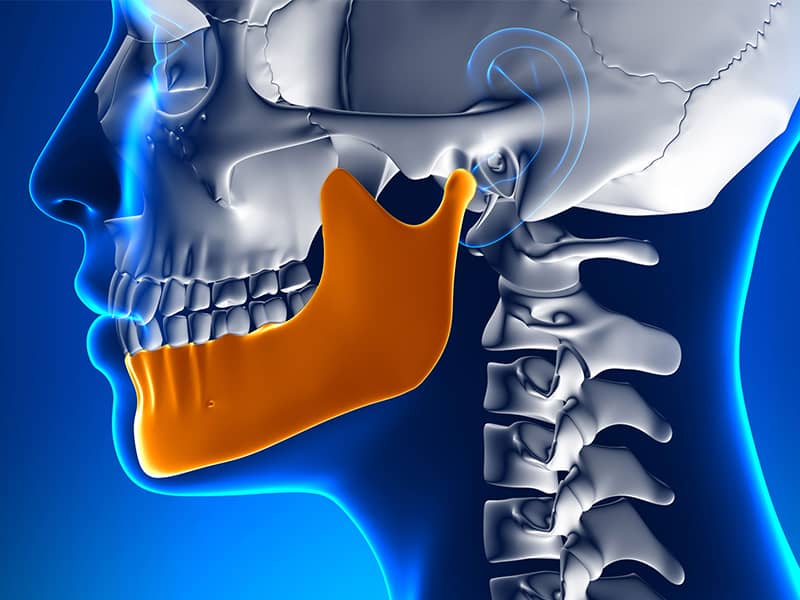
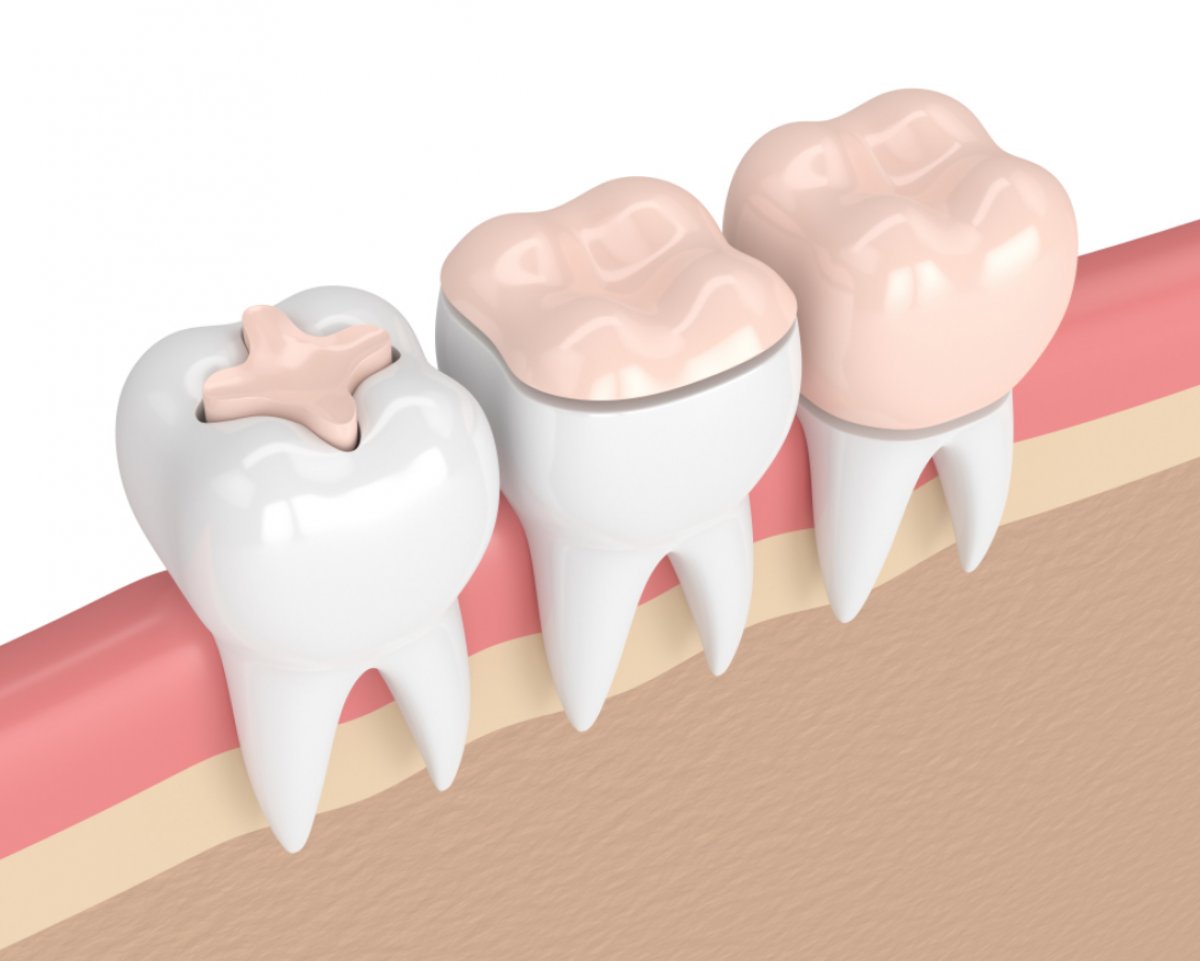
The lower jaw (mandible) has a denser and harder bone structure (cortical bone) compared to the upper jaw (maxilla). This density allows for the cells in the lower jaw to organize around the titanium in a shorter time. The upper jaw, on the other hand, has a more spongy (trabecular) structure; therefore, the overall structural integrity is achieved over a longer period of weeks. After the healing period is completed, the process moves to the measurement phase, and the upper structure (prosthesis) made from porcelain or zirconium materials is prepared in a laboratory environment. The prosthesis phase usually encompasses a 1-2 week process involving several sessions for fittings.
| Phase Name | Contents and Procedure | Average Duration |
|---|---|---|
| Clinical and Radiological Planning | Examination, x-ray/computed tomography analyses, drawing of the treatment map. | 1 – 3 Days |
| Surgical Operation | Placement of the titanium screw into the bone under local anesthesia. | 20 – 30 Minutes per tooth |
| Osseointegration (Waiting) | The biological integration of titanium with the jawbone at a cellular level. | Lower Jaw: 2-3 Months |
| Measurement and Fitting (Prosthetic Phase) | Attachment of healing abutments, taking measurements, production of the prosthesis, and fittings. | 10 – 15 Days |
What to Expect During the Implant Tooth Procedure?
The procedure begins with the local anesthesia of the relevant area. A small incision is made in the gum tissue to reach the jawbone, where an implant site is prepared with special drills and a titanium screw is placed. The area is then closed with stitches, concluding the surgical procedure; the process has a flow similar to standard tooth extraction procedures.
The surgical phase is performed while the patient is conscious, along with the local anesthesia of the area to be treated. Since the nerve endings in the operation area are blocked, the person may feel pressure and vibration, but the effect of anesthesia is in effect throughout the procedure. The surgeon performs the process of creating a site while adhering to the anatomical plan, without over-heating or traumatizing the bone tissue. For this purpose, special micromotor systems that continuously cool with physiological serum are used. The cooling process is an indispensable part of clinical protocols, as exposing bone tissue to temperatures above 47 degrees Celsius may lead to necrosis (tissue death).
After the site is opened, the implant is placed in the bone with a slow and controlled torque (rotational force) due to its threaded structure. This phase, called primary stability (initial retention), measures the tightness of the screw within the bone. If stability is at an adequate level, the top of the implant is sealed with a cover screw, and the gum is covered again and sutured. Stitches are usually removed between 7 to 10 days or, if absorbable suture materials are preferred, they will disappear over time. Avrupadent, located in the Izmir region, applies these clinical stages strictly adhering to sterilization and infection control guidelines.
Who is suitable for Implant Tooth Application?
This procedure is applied to individuals who have completed their development phase (usually over 18 years old), have adequate bone volume in the jaw, and possess a general health profile that does not pose a risk for surgical intervention. In patients with diabetes, hypertension, or autoimmune disorders, it is necessary to keep the condition under medical supervision and obtain physician approval.
This procedure used for the treatment of tooth loss is not applied to children and adolescents who have not yet completed their bone development process. It is a medical necessity to wait until after the age of 18-20, as the continuation of bone development may allow the position of the implanted object in the jaw to change in later years. There is no upper age limit; it can also be applied to older age groups as long as the patient’s bone density and overall systemic health permit.
The presence of systemic diseases is among the important factors that affect the course of the process. In the presence of uncontrolled diabetes (sugar disease), tissue healing slows down, and the risk of infection increases. This situation can disrupt the osteointegration period. Therefore, it is required that HbA1c values in diabetic patients remain within a specific reference range. Similarly, patients using bisphosphonate medications (for osteoporosis), individuals undergoing radiotherapy, and heavy smokers may have their healing mechanisms affected, necessitating consultation from related medical branches before the operation and adherence to special protocols.
- Bone Development: The patient is expected to have completed puberty and skeletal growth.
- Systemic Health: Conditions such as cardiovascular diseases, diabetes, and hypertension must be kept under control with regular medical follow-up and medication.
- Oral Hygiene: There should be no active periodontal (gum) infections, and the bacterial flora in the mouth should be balanced.
- Cigarette Use: Since nicotine and carbon monoxide disrupt tissue perfusion, it is recommended by doctors to limit or quit smoking during the process.
How Long Does the Dental Implant Process Extend in Cases of Jaw Bone Insufficiency?
If a deficiency in the width or height of the jawbone is detected in radiological analyses, the procedures for bone grafting and sinus lift operations come into play. These additional surgical procedures add an average of 3 to 6 months to the existing implant waiting period.
A long time passing since tooth loss leads to physiological bone resorption. When root function is lost, the jawbone ceases to be stimulated in that area and gradually loses volume. Similarly, trauma, cyst surgeries, or severe gum diseases can also lead to bone loss. In order for the titanium screw to securely hold onto the jaw, there should be at least a 1-2 millimeter thick healthy bone wall around it. In anatomical situations where this thickness or height is absent, “reconstructive” procedures, meaning bone augmentation techniques, are applied.
Bone grafts are classified into four categories based on their biological structures: autogenous (the person’s own bone), allograft (products from a human bone bank), xenograft (animal-derived materials from cow, pig, or horse), and alloplastic (synthetic calcium phosphate derivatives). In the back regions of the upper jaw, if the maxillary sinus cavities sag, a procedure called “Sinus Lift” is performed to lift the sinus membrane upward, allowing bone graft material to be placed in the resulting cavity. The integration of these added bone grafts with the patient’s own living bone requires cellular activity. This additional waiting period can prolong the total length of the process to 9 to 12 months.
| Procedure Type | Description | Additional Healing Period |
|---|---|---|
| Minor Bone Augmentation | Application of small volume bone powder and membrane (barrier cover). | 2 – 4 Months |
| Major Augmentation (Block Graft) | Transferring a bone block taken from another area of the jaw to the defect site. | 4 – 6 Months |
| Closed Sinus Lifting | Gently lifting the sinus floor from inside the implant socket and placing bone powder. | May not be added to the current period or 1-2 Months |
| Open Sinus Lifting | Creating a window in the gum to elevate the sinus membrane and perform extensive grafting. | 4 – 6 Months |
Is There a Time Difference Between a Single Tooth Implant and Full Jaw Implant?
The surgical duration during the operation varies; while a single implant can be placed in 20-30 minutes, positioning multiple implants in full mouth cases can take several hours. The biological osseointegration (bone healing) period is standard on a cellular basis and is subject to monthly periods regardless of the number of procedures.
The scope of the application directly affects the time spent in the clinic. Techniques commonly preferred for completely edentulous arches, such as All-on-4 or All-on-6, are based on the principle of securing a bridge prosthesis over four or six implants placed with specific openings. Planning for such large-scale restorations is much more complex; it requires the reconstruction of the patient’s occlusal vertical dimension, the design of the smile line, and the balancing of force distribution. In Avrupadent’s processes based in Izmir, comprehensive three-dimensional models are created for such complex cases.
In all jaw implantation procedures, the type of anesthesia applied may sometimes vary. For patients who are anxious or have strong reflexes, intravenous sedation or general anesthesia methods may also be preferred under medical supervision alongside local anesthesia by specialist anesthesiologists. From a biological healing perspective, the healing physiology of a single tooth or a complete jaw is the same. Since the titanium encasing the bone matrix is a cellular process, the organism performs this operation at the same speed in localized areas. However, in complete jaw restorations, tissue edema (swelling) in the initial days can spread to a anatomically broader area compared to a single tooth.
What Should Be Considered During the Healing Process After Implant Tooth?
It is important to use the antibiotics, pain relievers, and antimicrobial rinses prescribed by the physician at the dosage and duration they specify after the surgical intervention. Applying cold compresses during the first 24-48 hours reduces edema; it is necessary to avoid hot, acidic, hard, and spicy foods and to refrain from strenuous physical activities.
Certain physical measures must be taken to maintain the stability of the stitches in the operation area and to support clot formation. Immediately after the procedure, the heated sterile gauze should be kept in place for about 30-45 minutes until bleeding control is achieved. To avoid disrupting the clot, it is not recommended to suck on the wound, use a straw for drinking (which creates a vacuum effect), or to shake the mouth violently on the first day. The appearance of edema (swelling) and slight leakage in the inflammatory phase, the first stage of healing, is a physiological part of expected healing. Applying ice compresses to the facial area at certain intervals helps control the spread of edema by constricting capillaries.
Nutritional habits directly affect wound healing. For the first few days following the operation, a diet consisting of soft foods with a puree consistency (like soup, yogurt, mashed potatoes at room temperature) should be preferred. Chewing should be done in areas that have not undergone surgery as much as possible. Dental brushing routines should continue, but contact with the surgical area should be avoided. Hygiene in this area is typically maintained with chemical mouthwashes that will start the following day. The specialists at Avrupadent in Izmir aim to ensure that the healing process follows clinical standards by providing patients with these instructions both in writing and verbally during the post-operative period.
- Physical Rest: During the first 48 hours, heavy sports, hot showers, and saunas should be avoided. The head area should be slightly elevated with pillows while sleeping.
- Medication Use: Medications prescribed by the physician to control the risk of infection should be taken according to the scheduled times.
- Cigarette Products: It is recommended not to use tobacco products throughout the process as it slows healing by disturbing blood flow to the wound area.
- Control Appointments: Appointments for check-ups and stitch removals planned for 7-10 days later should be adhered to.
How Should Implant Dental Care Be Done?
Caring for implant-supported prosthetics follows a routine similar to that of natural teeth; they should be brushed at least twice daily with fluoride toothpaste. Additionally, dental floss, interproximal brushes, and mouth rinses should be used to clean food residues that may accumulate under the prosthesis, and regular dental check-ups should be attended.
Although the titanium material itself is not affected by the bacteria that cause decay (Streptococcus mutans), the gum tissue and bone surrounding the implant are susceptible to infections. This condition, referred to as “peri-implantitis,” occurs when bacteria plaque develops due to inadequate oral hygiene, seeping into the gum pocket and potentially causing bone loss around the implant, similar to what occurs with natural teeth (periodontitis). Therefore, mechanical cleaning is of utmost importance. Areas between teeth that standard brushes cannot reach or the substructure voids under bridge prosthetics should be cleaned with specially designed interproximal brushes or pressurized water-purging devices (mouth rinses).
Patients using removable (detachable) implant-supported prosthetics should remove their prosthetics daily and clean them with a soft brush, also brushing the implant abutments inside the mouth. In fixed prosthetics, hygiene at the margin line where porcelain or zirconium meets the gum tissue should be a focal point. During routine dental visits conducted every six months, the dentist will measure the level of the bone tissue around the implant through radiological or clinical examination and ensure long-term maintenance by performing professional dental cleaning.
How is the Implant Dental Process Conducted in the Avrupadent Network in Izmir?
Avrupadent, located in Izmir, operates in line with the current health data of the patient and advanced radiological findings. All steps are managed with the aim of reconstructing functional and aesthetic integrity, from planning to the prosthetic rehabilitation phase, respecting biological tissues and following current surgical approaches.
The clinical process begins with listening to the patient’s complaints and obtaining the medical history (previous diseases, medications used, allergies). Within an integrated system where jaw surgery, periodontology, and prosthetic dental treatment branches collaborate, millimetric measurements are taken based on radiographic images. These measurements determine the diameter and length of the implant to be applied to the patient’s bone. On the day of the operation, the clinical environment is sterilized to be suitable for surgical intervention. The roles of the physician and assisting staff are clearly defined, and the patient’s vital signs can also be monitored during the procedure.
During the waiting period after the surgical procedure, the patient is called for check-ups at the Izmir clinic at certain intervals. After confirming the completion of the osseointegration phase with radiological or digital devices, the process moves to the measurement phase. Porcelain or zirconium crowns are designed in the laboratory environment using digital scanning systems (CAD/CAM), suitable for the patient’s facial anatomy, gum boundaries, lip support, and existing tooth color. This way, the goal is to achieve a restoration that mechanically integrates with the patient’s dental structure. The process is carried out by transparently sharing patient information and consent forms, and it is concluded by complying with the ethical and medical standards set by the Ministry of Health.