Who is suitable for implant treatment in İzmir?
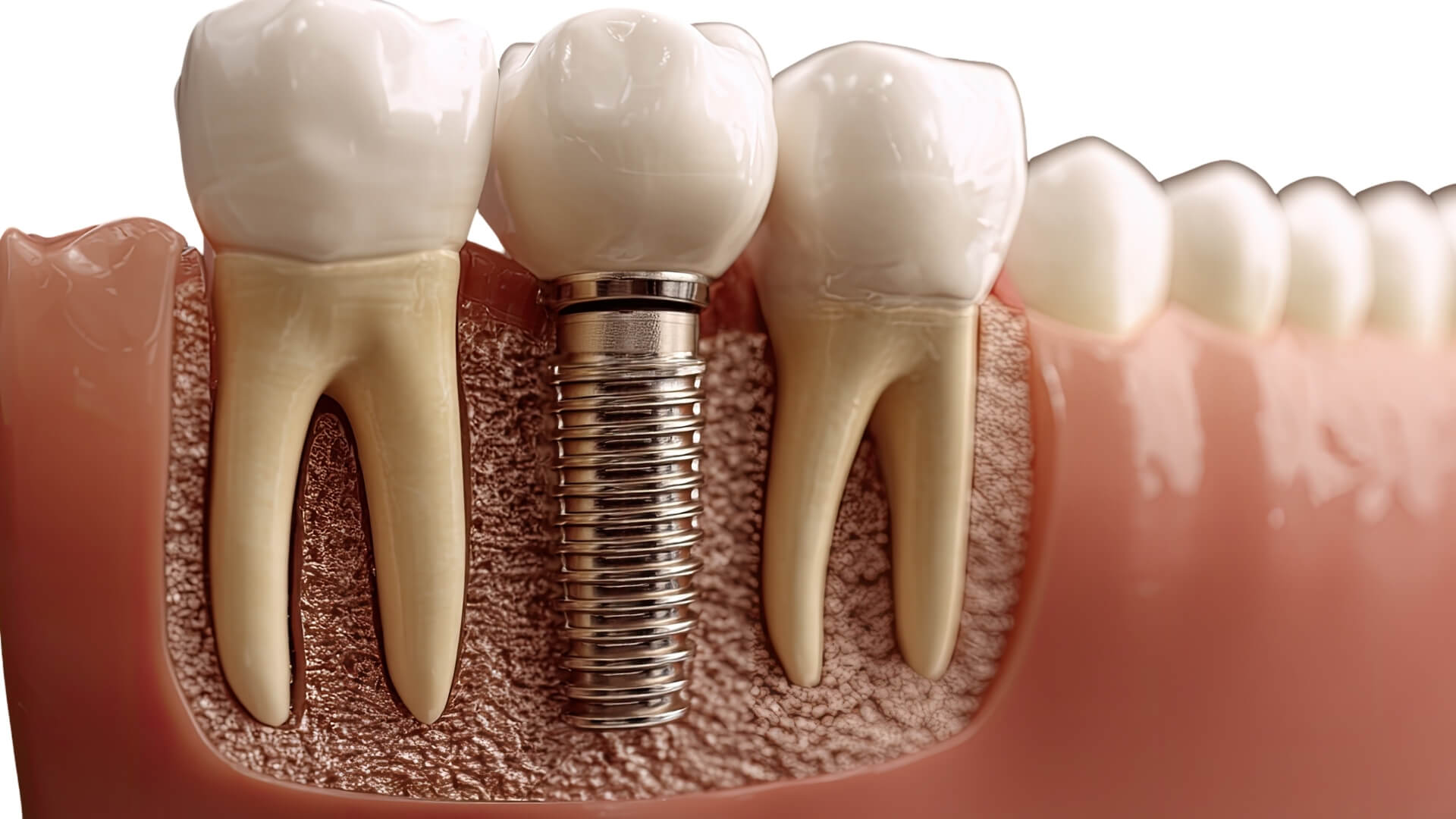
Tooth loss is a complex health issue that causes functional chewing capacity to decrease, creates indirect effects on the digestive system, and leads to volumetric shrinkage in the anatomical structure of the jawbone. In modern dentistry, placing biologically adaptable titanium materials (implants) to replace lost dental tissues is one of the most preferred prosthetic approaches. However, as with any medical intervention, this surgical procedure applied to the jawbone has specific medical suitability criteria that depend on the patient’s physiological structure.
Who is suitable for implant treatment in İzmir and what is the age criterion for the operation?
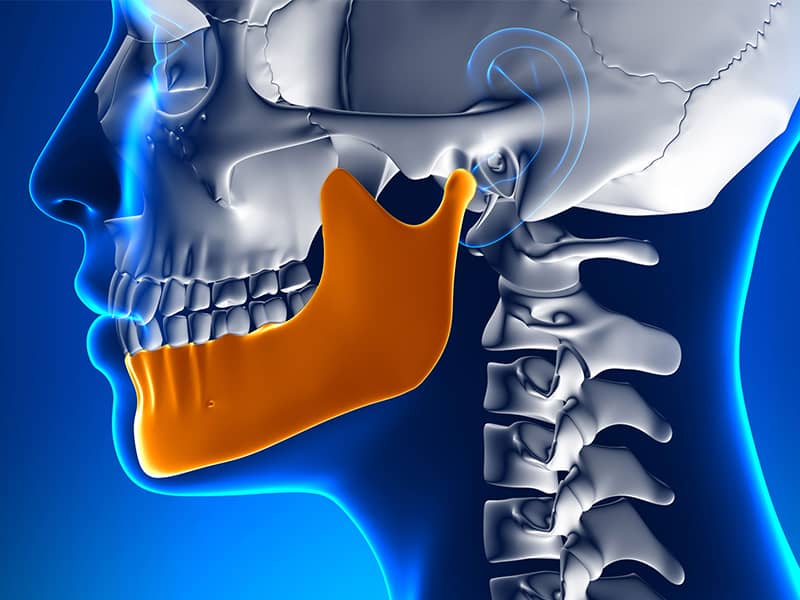
In individuals during growth and development phases, the jawbones continue to expand both vertically and horizontally. During this period, a fixed titanium screw placed within the bone will remain in the same position as the surrounding tissues grow, leading to anatomical asymmetries and prosthetic incompatibilities in the following years. Therefore, dentists prefer to initiate the surgical process only after they have seen radiological evidence (wrist X-rays or cephalometric analyses) that skeletal growth has ceased in young patients.
In older individuals, the focus is not on chronological age, but rather on cellular renewal capacity and the functional requirements for hospitalization. Many patients in advanced age seek out Izmir clinics, complaining of issues arising from movable dentures (palates) or retention problems. If the individual’s blood values are within reference ranges and bone density is sufficient, a titanium artificial root can be applied to a patient even in their eighties in accordance with medical standards.
Can Individuals with Chronic Systemic Diseases Be Included in the Izmir Implant Process?Individuals with chronic systemic issues such as diabetes, hypertension, or heart disease can participate in implant operations as long as their medical conditions are monitored and managed under the supervision of specialist doctors. It is crucial to normalize blood values to reference ranges, adjust medical drug schedules, and obtain consultations from relevant medical branches to ensure proper tissue healing progress.
Oral surgical procedures initiate an inflammatory cycle in the body, activating the pain signaling system. Because systemic disorders directly affect the body’s wound healing capacity, they are among the primary concerns that physicians pay the most attention to in clinical planning. In clinical organizations with detailed infrastructures like Avrupadent, the patient’s medical history is archived in detail through anamnesis forms to analyze risk factors.Clinical Evaluation Criteria for Chronic DisordersType of Systemic Disease Impact on Surgery and Medical Precautions Taken
Type 1 and Type 2 Diabetes (Sugar)High blood sugar delays the healing of the wound by disrupting protein synthesis. Having a medical reference range for Hemoglobin A1c (HbA1c) is essential to reduce the risk of developing infections. Cardiovascular (Heart) Disorders Patients using anticoagulants must have their clotting times (INR) monitored and medication doses adjusted under physician supervision for bleeding control during surgery. Hypertension (High Blood Pressure) The anxiety of the patient against the stress of the procedure is managed. The dosage of local anesthetics containing adrenaline to be used in the operation is limited, and the patient’s vital signs are monitored throughout the session.
What Are the Treatment Criteria for Patients with Osteoporosis?
Individuals with osteoporosis may be accepted for treatment based on the quality of the bone medications they use and the local mineral density of their jaw bones. Especially for patients using intravenous (IV) bisphosphonate medications, consulting an endocrinologist for temporary cessation or modification of the relevant medication with a medical plan is a medical necessity.Osteoporosis is a condition where the mineral density in the skeletal system decreases, causing the bones to become more porous and fragile. Osteoporosis in other areas of the body does not always mean that there is the same degree of bone loss in the jaw bones. The dentist evaluates the potential for primary stability of the titanium screw by measuring the cortical (hard) layer of the jaw through panoramic X-ray and 3D tomography.
In osteoporosis patients, the primary clinical focus is not so much the disease itself but the specific agents used for treatment. Bisphosphonate medications slow down bone resorption while simultaneously suppressing the bone’s self-renewal mechanism. Surgical procedures performed during the period these medications are used can carry a risk of cellular death (osteonecrosis) in the jawbone, although this is rare. For this reason, the duration, dosage, and method of administration of the medication are meticulously analyzed by the oral surgeon.
How is the process planned for individuals with insufficient jawbone volume?
In cases where long-term tooth loss or advanced gum disorders have resulted in reduced jawbone width, advanced surgical methods such as grafting (bone powder addition) are planned to make patients suitable for surgery. Anatomical structures are supported vertically or horizontally using biomaterials, and a functional tissue framework is created that allows titanium material to integrate at the cellular level.The ability to maintain implant materials for a long time depends on the presence of a healthy bone wall at least 1.5 – 2 millimeters thick surrounding them. In toothless areas where chewing forces are not transmitted, the organism begins to slowly reabsorb (resorb) the bone tissue in that area. If the individual uses a removable prosthesis for many years, the jawbone can thin out as much as a knife blade.
Volume Augmentation with Advanced Surgical Techniques:In areas where bone dimensions are inadequate, modern dentistry employs the following techniques:
- Lateral and Vertical Augmentation: Synthetic or natural biomaterials (bone powders) are placed in the resorbed area and covered with special membranes. A biological repair process lasting several months is expected for the area to return to its own bone.
- Sinus Lifting (Sinus Elevation): The maxillary sinus cavities, located in the back areas of the upper jaw, sag downwards following tooth losses. The base of the related cavity is surgically pushed upward, and a graft is added to provide the necessary vertical length for the implant.
How Does Smoking Affect Implant Treatment in Individuals Who Smoke?
Intense nicotine consumption slows down blood flow to the oral tissues, reducing the oxygenation of cells, which negatively affects the process of osseointegration. For individuals using tobacco products to be accepted into the surgical schedule, it is medically necessary to significantly limit this consumption during the critical tissue repair period before and after the surgical procedure.The carbon monoxide and thousands of toxic chemicals contained in cigarette smoke reduce the blood’s capacity to carry oxygen to the tissues. At the same time, nicotine causes narrowing (vasoconstriction) of peripheral (extremity) blood vessels, reducing the amount of defense cells and healing proteins that need to reach the surgical area. In individuals planned for implant treatment in İzmir, this suppression of wound healing is a major factor that increases the likelihood of clinical failure.
Not only during the surgical stage but also in the years following the placement of prostheses, tobacco use poses risks. The condition known as “peri-implantitis,” characterized by inflammation of the gum tissues surrounding titanium material, progresses much more aggressively in individuals who smoke. Dentists recommend that patients quit tobacco products for the maintenance of long-term clinical success.
Can Dental Implant Surgery Be Performed During Pregnancy and Breastfeeding?
During pregnancy, it is standard medical protocol to postpone non-emergency (elective) jaw surgery operations until after birth, taking into account the physiological sensitivities of both the expectant mother and the baby. Radiological examinations required before the procedure, stress factors, and medications that need to be prescribed may include elements that should be avoided during the pregnancy period.While compensating for tooth loss may enhance the patient’s quality of life, the systemic health of both the mother and the fetus is always the priority. Panoramic X-rays or tomography devices used during the diagnostic phase emit ionizing radiation, even at low doses. Furthermore, local anesthetics applied during surgery and antibiotics and analgesics (pain relievers) that need to be administered for infection control must be carefully selected from pregnancy categories.
During lactation, clinical approaches are somewhat more flexible. The physician may opt for local anesthetics and medications that have a low transfer ratio to maternal milk when conducting the procedure. Nevertheless, it is common practice to schedule the process after the baby has transitioned to supplementary food to avoid exhausting surgical sessions and ensuring that the mother’s dietary habits (due to eating restrictions) do not affect milk production.
What Should Individuals’ Oral Health Be Like Before İzmir Implant Surgery?
To ensure that the surgical procedure is conducted in a healthy manner, there should be no active infections in the patient’s oral flora, untreated cavities, or advanced gum issues causing discomfort. In individuals where dental calculus accumulation or periodontitis is detected, these tissue issues must be treated first to achieve oral hygiene stabilization, followed by the transition to surgical phases.It is essential that the titanium material to be placed inside the oral cavity is positioned in a clean area that has reduced microorganism load. The mouth cavity is a complex ecosystem that hosts billions of bacteria. If neighboring teeth have significant tartar, bleeding gums, or root abscesses, pathogenic bacteria from these areas can easily migrate to the surgical wound.
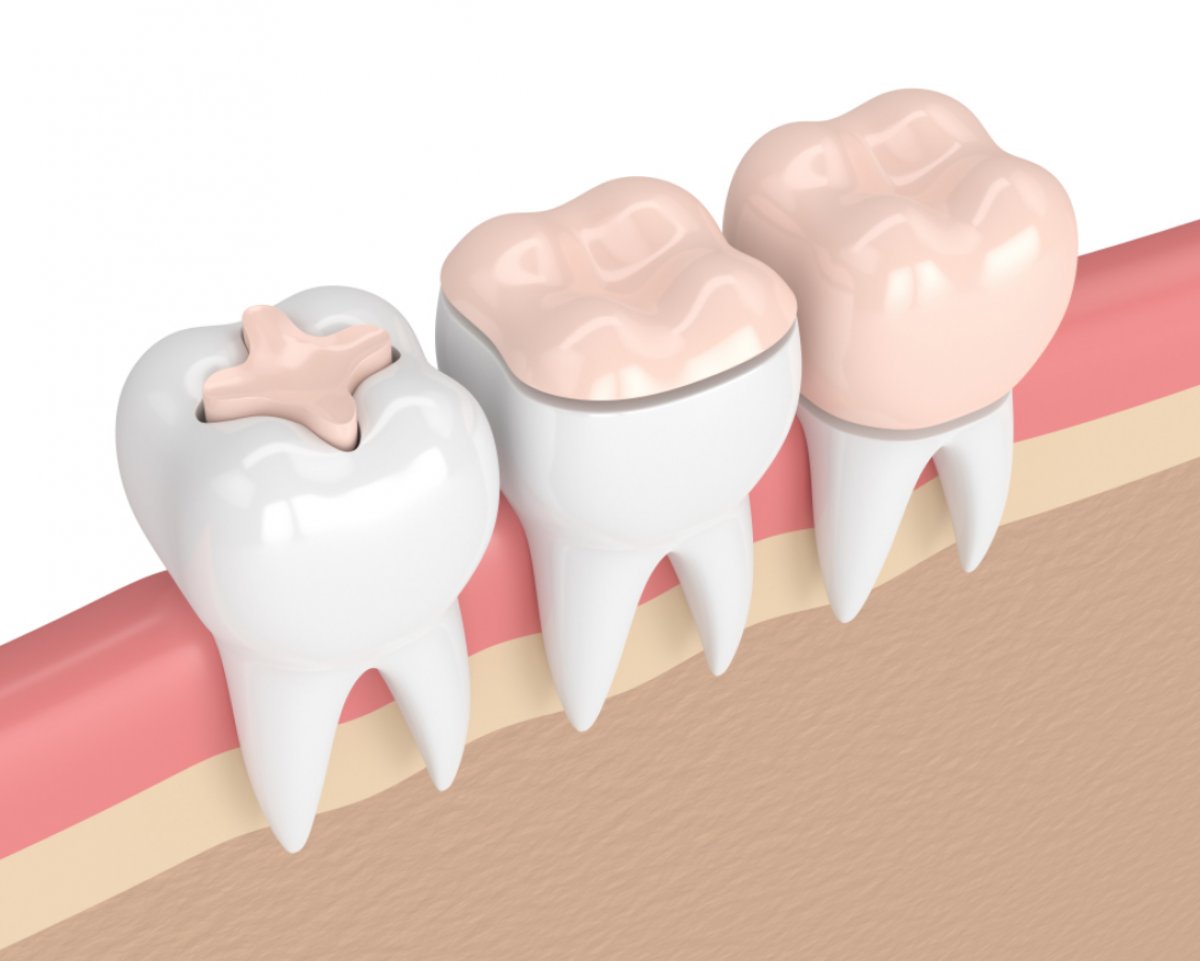
Medical Steps in the Oral Preparation Phase Preparation Stage Clinical Procedure and Purpose 1st Phase: Elimination Extraction of hopeless tooth roots that need to be removed from the oral cavity before the surgical schedule, allowing the area to heal physiologically. 2nd Phase: Scaling (Cleaning) Removal of rough calculus and plaque accumulations on tooth surfaces with professional tools to reduce gum swelling. 3rd Phase: Conservative Treatment Repair of active caries with filling materials to neutralize the acidic environment in the oral flora and reduce bacterial colonies.
Are Individuals with Full Tooth Loss Suitable for the All-On-4 Concept?
Individuals who have lost all their teeth or have made the decision to extract due to severe mobility (looseness) of their existing teeth can be considered suitable candidates for All-On-4 systems if they experience anatomical limitations in the posterior regions. This method is a planned surgical protocol that allows the use of fixed prostheses by using specific surgical openings, intended for patients struggling with removable dentures.In traditional full jaw restorations, it may be necessary to use eight or more screws for each jaw and to add bone powder (graft) to areas with few teeth. However, the All-On-4 and All-On-6 concepts focus on the anterior regions where the anatomy is thicker and denser (cortical), ignoring the volume deficiency in the posterior sections. The risk of contact with sinus cavities or the lower jaw nerve canal (nervus alveolaris inferior) is eliminated by placing screws at specific angles.
The most significant physiological advantage of this concept is that, provided a certain mechanical resistance is ensured, a temporary fixed bridge can be placed on the same day (immediate). This way, patients experiencing complete edentulism do not have to spend months without teeth, achieving both aesthetics and partial chewing functions on the same day as the surgery.
How are Patients’ Individual Suitability Tests Conducted at Avrupadent Centers?
In advanced clinics like Avrupadent located in Izmir, patient suitability assessment is conducted through three-dimensional dental tomography scans, digital occlusion (bite) scans, and comprehensive medical anamnesis forms. Multidisciplinary boards create a personalized medical calendar by examining the individual’s anatomical data in collaboration with prosthetic and surgical specialists.Talking about a standard single roadmap in medical procedures does not cover the science of anatomy. Each patient’s jawline, bone density, mucosal thickness, and systemic metabolic rate are unique. Dental centers providing institutional services pass the planning phase through digital and medical filters to minimize the margin of error. The patient’s first clinical appointment is a detailed session not limited to merely looking at the area, but examining the entire oral-jaw complex.
DICOM data obtained through radiological scanning is transferred to three-dimensional software. Doctors digitally measure the surrounding distances by placing a titanium screw into the bone in a virtual environment. If the screw is too close to the nerve or if the bone volume is insufficient, a surgical template (guide) is included in the production process to maximize sharpness and calculability during the operation. This approach not only determines the patient’s suitability but also increases the comfort of the procedure.
In Which Medical Conditions Should Implant Surgery be Avoided?
Those who have had a heart attack in the recent past, individuals undergoing active radiation therapy (treatment with radiation) to the head and neck area, patients receiving chemotherapy that puts heavy pressure on the circulatory system, and individuals with serious psychiatric conditions that cannot be controlled, are contraindicated for jaw surgery procedures until a later date due to medical risks and the impossibility of tissue repair.In dentistry, two different clinical condition classifications are made while determining the patient’s suitability: “absolute contraindications” and “relative contraindications.” In relative situations (such as diabetes, light smoking), surgical planning can be done with medical precautions; in absolute contraindications, procedures are rejected or postponed until the medical condition stabilizes due to the risk to the patient’s vital functions or the risk of tissue necrosis (cell death).
Especially in patients receiving active treatment for head and neck cancers, the blood supply to the jawbones significantly decreases. In this case, a surgical incision may lead to a dangerous bone inflammation called ‘osteoradionecrosis’ due to the lack of nourishment to the bone. Similarly, in individuals who have experienced a major cardiovascular crisis recently (generally within the last 6 months), it is a fundamental part of medical guidelines to avoid intervention due to the high likelihood of the operational stress disrupting the heart rhythm.
Oral surgical procedures initiate an inflammatory cycle in the body, activating the pain signaling system. Because systemic disorders directly affect the body’s wound healing capacity, they are among the primary concerns that physicians pay the most attention to in clinical planning. In clinical organizations with detailed infrastructures like Avrupadent, the patient’s medical history is archived in detail through anamnesis forms to analyze risk factors.
| Type of Systemic Disease | Impact on Surgery and Medical Precautions Taken |
|---|---|
Type 1 and Type 2 Diabetes (Sugar)| High blood sugar delays the healing of the wound by disrupting protein synthesis. Having a medical reference range for Hemoglobin A1c (HbA1c) is essential to reduce the risk of developing infections. | |
| Cardiovascular (Heart) Disorders | Patients using anticoagulants must have their clotting times (INR) monitored and medication doses adjusted under physician supervision for bleeding control during surgery. |
| Hypertension (High Blood Pressure) | The anxiety of the patient against the stress of the procedure is managed. The dosage of local anesthetics containing adrenaline to be used in the operation is limited, and the patient’s vital signs are monitored throughout the session. |
What Are the Treatment Criteria for Patients with Osteoporosis?
Osteoporosis is a condition where the mineral density in the skeletal system decreases, causing the bones to become more porous and fragile. Osteoporosis in other areas of the body does not always mean that there is the same degree of bone loss in the jaw bones. The dentist evaluates the potential for primary stability of the titanium screw by measuring the cortical (hard) layer of the jaw through panoramic X-ray and 3D tomography.
In osteoporosis patients, the primary clinical focus is not so much the disease itself but the specific agents used for treatment. Bisphosphonate medications slow down bone resorption while simultaneously suppressing the bone’s self-renewal mechanism. Surgical procedures performed during the period these medications are used can carry a risk of cellular death (osteonecrosis) in the jawbone, although this is rare. For this reason, the duration, dosage, and method of administration of the medication are meticulously analyzed by the oral surgeon.
How is the process planned for individuals with insufficient jawbone volume?
The ability to maintain implant materials for a long time depends on the presence of a healthy bone wall at least 1.5 – 2 millimeters thick surrounding them. In toothless areas where chewing forces are not transmitted, the organism begins to slowly reabsorb (resorb) the bone tissue in that area. If the individual uses a removable prosthesis for many years, the jawbone can thin out as much as a knife blade.
In areas where bone dimensions are inadequate, modern dentistry employs the following techniques:
- Lateral and Vertical Augmentation: Synthetic or natural biomaterials (bone powders) are placed in the resorbed area and covered with special membranes. A biological repair process lasting several months is expected for the area to return to its own bone.
- Sinus Lifting (Sinus Elevation): The maxillary sinus cavities, located in the back areas of the upper jaw, sag downwards following tooth losses. The base of the related cavity is surgically pushed upward, and a graft is added to provide the necessary vertical length for the implant.
How Does Smoking Affect Implant Treatment in Individuals Who Smoke?
The carbon monoxide and thousands of toxic chemicals contained in cigarette smoke reduce the blood’s capacity to carry oxygen to the tissues. At the same time, nicotine causes narrowing (vasoconstriction) of peripheral (extremity) blood vessels, reducing the amount of defense cells and healing proteins that need to reach the surgical area. In individuals planned for implant treatment in İzmir, this suppression of wound healing is a major factor that increases the likelihood of clinical failure.
Not only during the surgical stage but also in the years following the placement of prostheses, tobacco use poses risks. The condition known as “peri-implantitis,” characterized by inflammation of the gum tissues surrounding titanium material, progresses much more aggressively in individuals who smoke. Dentists recommend that patients quit tobacco products for the maintenance of long-term clinical success.
Can Dental Implant Surgery Be Performed During Pregnancy and Breastfeeding?
While compensating for tooth loss may enhance the patient’s quality of life, the systemic health of both the mother and the fetus is always the priority. Panoramic X-rays or tomography devices used during the diagnostic phase emit ionizing radiation, even at low doses. Furthermore, local anesthetics applied during surgery and antibiotics and analgesics (pain relievers) that need to be administered for infection control must be carefully selected from pregnancy categories.
During lactation, clinical approaches are somewhat more flexible. The physician may opt for local anesthetics and medications that have a low transfer ratio to maternal milk when conducting the procedure. Nevertheless, it is common practice to schedule the process after the baby has transitioned to supplementary food to avoid exhausting surgical sessions and ensuring that the mother’s dietary habits (due to eating restrictions) do not affect milk production.
What Should Individuals’ Oral Health Be Like Before İzmir Implant Surgery?
It is essential that the titanium material to be placed inside the oral cavity is positioned in a clean area that has reduced microorganism load. The mouth cavity is a complex ecosystem that hosts billions of bacteria. If neighboring teeth have significant tartar, bleeding gums, or root abscesses, pathogenic bacteria from these areas can easily migrate to the surgical wound.
| Preparation Stage | Clinical Procedure and Purpose |
|---|---|
| 1st Phase: Elimination | Extraction of hopeless tooth roots that need to be removed from the oral cavity before the surgical schedule, allowing the area to heal physiologically. |
| 2nd Phase: Scaling (Cleaning) | Removal of rough calculus and plaque accumulations on tooth surfaces with professional tools to reduce gum swelling. |
| 3rd Phase: Conservative Treatment | Repair of active caries with filling materials to neutralize the acidic environment in the oral flora and reduce bacterial colonies. |
Are Individuals with Full Tooth Loss Suitable for the All-On-4 Concept?
In traditional full jaw restorations, it may be necessary to use eight or more screws for each jaw and to add bone powder (graft) to areas with few teeth. However, the All-On-4 and All-On-6 concepts focus on the anterior regions where the anatomy is thicker and denser (cortical), ignoring the volume deficiency in the posterior sections. The risk of contact with sinus cavities or the lower jaw nerve canal (nervus alveolaris inferior) is eliminated by placing screws at specific angles.
The most significant physiological advantage of this concept is that, provided a certain mechanical resistance is ensured, a temporary fixed bridge can be placed on the same day (immediate). This way, patients experiencing complete edentulism do not have to spend months without teeth, achieving both aesthetics and partial chewing functions on the same day as the surgery.
How are Patients’ Individual Suitability Tests Conducted at Avrupadent Centers?
Talking about a standard single roadmap in medical procedures does not cover the science of anatomy. Each patient’s jawline, bone density, mucosal thickness, and systemic metabolic rate are unique. Dental centers providing institutional services pass the planning phase through digital and medical filters to minimize the margin of error. The patient’s first clinical appointment is a detailed session not limited to merely looking at the area, but examining the entire oral-jaw complex.
DICOM data obtained through radiological scanning is transferred to three-dimensional software. Doctors digitally measure the surrounding distances by placing a titanium screw into the bone in a virtual environment. If the screw is too close to the nerve or if the bone volume is insufficient, a surgical template (guide) is included in the production process to maximize sharpness and calculability during the operation. This approach not only determines the patient’s suitability but also increases the comfort of the procedure.
In Which Medical Conditions Should Implant Surgery be Avoided?
In dentistry, two different clinical condition classifications are made while determining the patient’s suitability: “absolute contraindications” and “relative contraindications.” In relative situations (such as diabetes, light smoking), surgical planning can be done with medical precautions; in absolute contraindications, procedures are rejected or postponed until the medical condition stabilizes due to the risk to the patient’s vital functions or the risk of tissue necrosis (cell death).
Especially in patients receiving active treatment for head and neck cancers, the blood supply to the jawbones significantly decreases. In this case, a surgical incision may lead to a dangerous bone inflammation called ‘osteoradionecrosis’ due to the lack of nourishment to the bone. Similarly, in individuals who have experienced a major cardiovascular crisis recently (generally within the last 6 months), it is a fundamental part of medical guidelines to avoid intervention due to the high likelihood of the operational stress disrupting the heart rhythm.