
When Do Babies Get Their First Tooth?
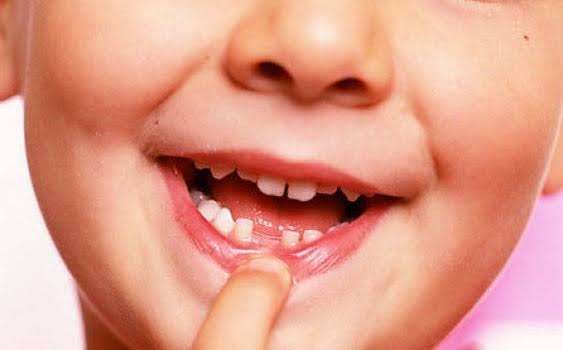
The first tooth in babies usually appears between the sixth and eighth months, breaking through the gums of the lower incisors to emerge into the mouth. However, this physiological timeline is entirely dependent on genetic factors; while some babies may see their first teeth as early as four months, others may not get theirs until the twelfth month or later.
The infancy period is the most dynamic phase of human development and is closely monitored by parents. In this stage, the emergence of the first milk tooth not only represents a physical change but is also a biological indicator that the baby is preparing to be introduced to solid foods and actively use the digestive system. Milk teeth begin to develop within the jawbone even while the baby is still in the womb. Months after birth, these teeth continue to grow roots and emerge through the bone and the mucosal tissue above it. Although there is a common belief in society that every baby will get their teeth at the same month, medical science reveals that chronological age and biological age do not always progress concurrently. For this reason, the teething process should be viewed as a journey that parents should follow without worry, respecting the baby’s natural genetic clock.
What Are the Signs of Teething in Babies?
Signs of teething in babies include increased saliva production, localized redness or swelling in the gums, the desire to chew on hands and hard objects, loss of appetite, mild irritability, and temporary disruptions in sleeping patterns. These reactions are a natural tissue tension created by the tooth pushing through the mucosal tissue from the inside.
The act of tooth eruption (eruption) is essentially a minor inflammation (inflammation) process at the cellular level. The sharp enamel of the tooth tries to break through by pushing the gum tissue above it. This mechanical pressure leads to a local release of histamine in the tissue and causes the dilation of blood vessels; this is observed as swelling and redness in the gum outside. The body stimulates the salivary glands through the autonomic nervous system to cool and relieve the inflammation in that area. As a result, the baby may start to produce a significant amount of saliva that can sometimes irritate the chin and neck. Babies show a tendency to chew on anything that comes into their hands to relieve this tension and itching in the tissue (creating counter-pressure). All of these symptoms quickly subside as the mucosal surface of the tooth bursts and erupts into the oral cavity.
How Do the First Teeth Erupt (Timeline)?
The sequence of eruption for the first teeth begins with the lower front incisors at around six months, followed by the upper front incisors, upper and lower lateral incisors, first molars, canine teeth, and finally the second molars, progressing in a certain anatomical order up to about two and a half years.
There are a total of 20 primary teeth in a human jaw. The placement and eruption sequence of these teeth in the jawbone follows a biological schedule that allows the baby to gradually gain chewing function. The incisors, which help tear food, appear in the front region first. When the baby needs to chew more, the molars in the back regions come into play. The canine teeth usually take their place in the arch after the first molars. The table below shows the average timeline for the eruption of primary teeth, as accepted in medical sources; however, since every baby has a different genetic map, deviations in months are extremely physiological.
| Tooth Anatomical Name | Lower Jaw Eruption Time | Upper Jaw Eruption Time |
|---|---|---|
| Central (First) Incisors | 6 – 10 Months | 8 – 12 Months |
| Lateral (Second) Incisors | 10 – 16 Months | 9 – 13 Months |
| First Milk Molars | 14 – 18 Months | 13 – 19 Months |
| Milk Canines | 17 – 23 Months | 16 – 22 Months |
| Second Milk Molars | 23 – 31 Months | 25 – 33 Months |
How to Relieve Baby’s Discomfort During Teething?
During the teething period, a baby’s discomfort can be safely relieved using non-medical, purely physical, and soothing methods such as gently massaging the gums in a circular motion with a clean finger, using teething rings filled with cooled water kept in the refrigerator, and keeping the mouth area consistently dry to prevent saliva irritation.
At this stage, the discomfort that babies feel is more a sensation of pressure and tension in the tissue rather than a medical pain. The safest way to manage this sensation is through cold applications. Cold constricts the capillaries in the relevant area (vasoconstriction), reduces redness and tissue edema, and also creates a localized and natural sense of numbness. Gentle mechanical massages on the gums can provide immediate comfort to the baby by relaxing blood circulation in the area where the tooth is trying to erupt. However, the most important point for parents to pay attention to is to avoid the random use of local anesthetic (numbing) gels purchased from pharmacies without a doctor’s recommendation. These gels can affect the baby’s gag reflex when swallowed quickly or may cause systemic side effects. Physiological support methods are usually more than sufficient to manage the process.
Is Early or Late Teething a Developmental Problem?
Early or late teething is generally considered a reflection of genetic inheritance and is not regarded as a developmental issue or a sign of a systemic disease on its own. The teething schedule, such as the child’s walking or speaking age, also follows a completely individual biological rhythm, and it is natural for each baby to show differences.
Some babies may start to cut their first teeth at 3-4 months old (there are even rare cases of natal teeth appearing at birth), while for others, the first tooth may emerge by the 14th or 15th month. Parents often develop an unfounded concern that late teething indicates a calcium or vitamin deficiency by comparing their child to peers. However, the timing of tooth emergence is genetically determined; if either parent teethed late as a baby, it’s biologically expected that the child will exhibit a similar tendency. Late tooth emergence does not necessarily imply that the teeth are unhealthy or prone to decay. On the contrary, because teeth that emerge late are exposed to harmful factors for a shorter duration, this delay can even be medically considered a protective advantage in some cases. However, if there are no signs of teeth by the 18th month, it is recommended to undergo radiological assessment by a pediatric dentistry specialist at Child Dentistry (Pedodontics).
Is it normal to see fever and diarrhea during the teething phase?
A high fever exceeding 38 degrees, severe diarrhea, or vomiting during the teething phase are not normal clinical symptoms and cannot be directly attributed to teething. While teething may cause a very mild increase in body temperature, severe symptoms typically indicate a viral or bacterial childhood infection coinciding with the same period.
There is no scientific basis for conditions known among the public as “teething” or “teething diarrhea.” The emergence of the baby’s first teeth typically coincides with the sixth month and thereafter, at the same time when the protective antibodies passed through breast milk (maternal immunity) begin to decrease in the blood, and the baby’s own immunity system starts to encounter environmental microbes. Furthermore, during this period, the baby tends to try to soothe their gums by putting their hands and any objects they find into their mouth, thereby introducing many viruses and bacteria from the outside into their gastrointestinal system. The main source of the observed fever and diarrhea is usually not the tooth itself, but rather those contaminated (dirty) objects being put into the mouth. Therefore, it is vital for parents not to ignore high fever by saying, “it must be teething” and to evaluate the situation with a medical doctor.
How Should the Teething Toy Selection for Babies Be?
When selecting a teething toy for babies, it should be made of medical silicone or organic materials that do not contain harmful chemicals such as BPA (Bisphenol A) and phthalates, should contain pure water instead of toxic chemical gels that can burst when frozen, and have a design that is non-breakable (not falling apart) to prevent choking.
Teething toys are tools that come into prolonged contact with the baby’s oral mucosa and apply mechanical pressure. Some low-quality plastic products on the market can react with saliva enzymes and chewing force, leading to the release of chemical substances into the baby’s system. Therefore, products that are certified in accordance with international health standards such as CE or FDA should be preferred. Liquid-filled teething toys should never be placed in the freezer; because a frozen and icy hard surface can cause tissue burns (frostbite) to the baby’s sensitive lips and gums. Only soft silicone rings with a porous surface, cooled in the lower section of the refrigerator, relieve irritation without damaging the tissue and ensure sterilization (by boiling or washing) in a much safer manner.
| Criteria | Risky and Incorrect Choices | Safe and Healthy Choices |
|---|---|---|
| Material Content | Rigid plastics containing BPA, PVC, and harmful dyes. | 100% medical silicone, natural rubber, or organic wood. |
| Cooling Method | Teething toys frozen with chemical gel in the deep freezer. | Models filled with pure water, only cooled in the refrigerator shelf. |
| Physical Integrity | Designs with detached, spilled paint, or small beads. | Wide designs made of a single piece that do not pose a risk of breakage. |
How Should the Cleaning of Emerging Primary Teeth Be Done?
The cleaning of emerging primary teeth should be done gently by either wiping the tooth surfaces with a clean, damp cloth immediately after breakfast and before the baby’s nighttime sleep, or using silicone finger brushes suitable for the baby’s age. This mechanical cleaning prevents the formation of acid from breast milk or leftover formula on the tooth surfaces.
Even a tiny visible tip of a tooth in the mouth provides enough surface area for the cavity-causing bacteria (streptococcus mutans) to adhere. Since infants do not yet have a swallowing reflex, the use of fluoride toothpaste is usually avoided during this period until a doctor assesses the risks, or it is applied only as a very thin “film.” The goal is to perform a mechanical scraping rather than a chemical cleaning during the tooth brushing action. Silicone finger brushes provide massage to the baby’s gums and scrape off the thin and sticky layer of milk that forms on the teeth. This cleaning routine also has a psychological benefit in normalizing the tooth brushing action as a regular play activity for the baby.
How Is the First Dental Examination of Babies Conducted at İzmır Avrupadent Clinics?
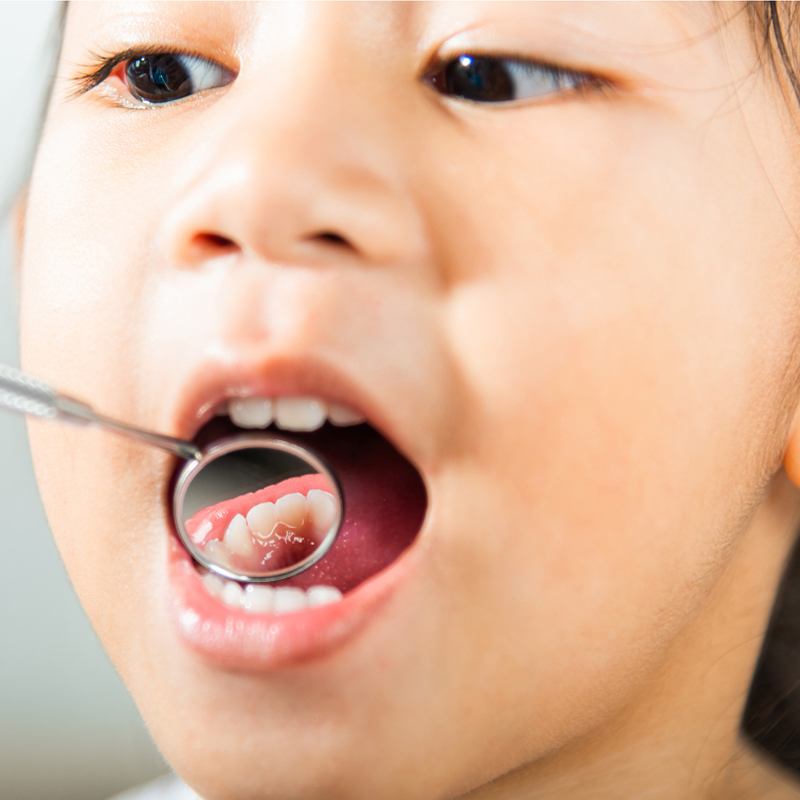
At İzmır Avrupadent clinics, the first dental examination of babies is visually performed with the aid of a mirror while the baby feels safe being held in the lap of the parent sitting knee-to-knee with the doctor. No medical instruments are used during the procedure; only the direction of tooth eruption and tissue health are examined, and comprehensive hygiene education is provided to the family.
In the clinic located in Izmir, the first encounter of infants with the physician is designed with a completely non-traumatic pedagogical approach. Laying the baby alone on the traditional dental chair causes deep fear. In the method called ‘knee-to-knee position’, the mother or father sits opposite the physician; while the baby’s legs are wrapped around the parent, the head gently rests on the physician’s knee. The baby continuously makes eye contact with the parent and feels secure. The physician analyzes the mucosal tissue, labial frenulum, and the enamel structure of the newly emerged teeth within seconds using a small hand mirror. The primary focus is not on intervening with the baby, but rather on guiding the parents regarding feeding limits, choosing toothbrushes, and establishing nighttime routines.
What Should the Nutrition Regimen Be to Prevent the Eruption of First Teeth?
To prevent the eruption of the first teeth, the nutrition regimen should be organized based on the principles of completely ending the practice of leaving a bottle with milk or formula in the baby’s mouth while falling asleep at night, limiting sugary and sticky carbohydrates, and encouraging water consumption between meals during the transition to solid foods. Since the flow of food slows down at night, consumed foods quickly produce acid.
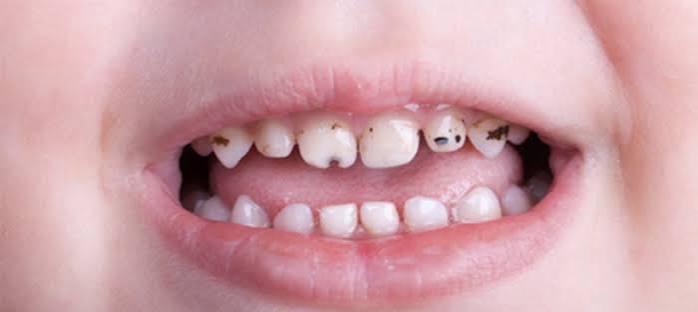
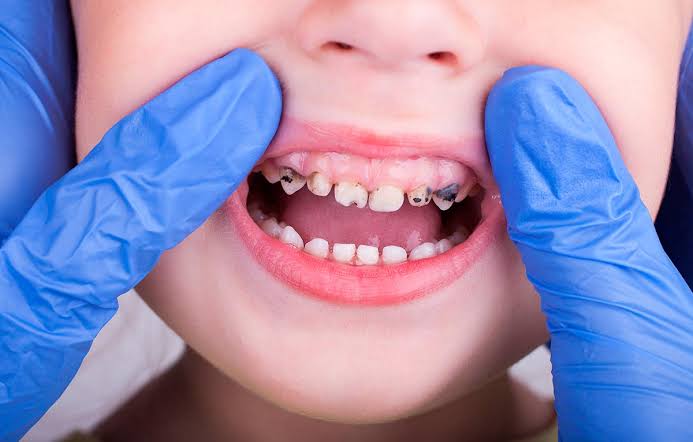
The enamel of milk teeth is structurally much thinner than that of permanent teeth and dissolves much faster in acidic environments (demineralization). While mother’s milk or follow-up formulas are excellent for the baby’s development, they contain natural sugar (lactose) in their structures. During daytime feedings, the salivary glands actively work and balance the acidity by washing away this sugar. However, during sleep, the sucking mechanism comes to a halt. If the baby sleeps without cleaning their teeth or sucks on a bottle while sleeping, that milk creates an acid pool on the teeth until morning. This destructive condition, referred to as “bottle rot” or “early childhood caries,” leads to the front teeth crumbling and turning brown in a short time and can cause them to break. Therefore, after nighttime feedings, giving the baby a few sips of water or wiping the teeth with a damp cloth is the most vital protective step in the feeding routine.
How Do Milk Teeth Shape Future Oral Structure?
Milk teeth shape future oral structure by promoting the three-dimensional growth (expansion) of the jawbones through the activation of chewing muscles, supporting speech function, and most importantly, guiding the permanent teeth that are developing right below their roots in the correct position, serving as a placeholder.
The presence of primary teeth is often underestimated due to the misconception that they are merely temporary. However, each primary tooth plays a biological role in guiding jaw development. The mechanical pressures transmitted from primary teeth to the jawbone during chewing stimulate bone cells (osteoblasts), allowing for the forward and lateral growth of the jaw contour. If primary teeth lose their function due to decay, the jaw may not be able to expand adequately. Additionally, the roots of a primary tooth serve as a scaffold or tunnel for the permanent tooth that will come up from below. If a primary tooth has to be extracted too early, neighboring teeth will shift into that space, and the permanent tooth that can’t emerge from the closed gap will remain embedded in the jawbone. In short, a healthy primary tooth arrangement is the greatest guarantor of a future permanent tooth arrangement that is not aligned or crooked.
When Should You Consult an Expert Without Delay?
Bruises (eruption cysts) on the gum that are outside the normal range, yellow or brown structural discolorations on the erupted tooth, the absence of any tooth in the mouth by the baby’s eighteenth month, or conditions related to trauma where a tooth is broken/dislodged are situations where you should consult a specialist without delay. These clinical signs indicate medical situations that require professional examination.
Tooth eruption may not always progress as it does in standard textbooks. Sometimes a tooth causes a fluid or blood accumulation under the mucosa, a condition known as “eruption cyst” (eruption cyst), which appears as purplish-blue lesions on the gums and can panic parents. Although it often bursts on its own with the tooth’s emergence, it is important for the doctor to clinically monitor that area. Additionally, if there are congenital stains or pits (enamel hypoplasia) on a newly erupting tooth, this means that the tooth is predisposed to decay and should be immediately fortified with protective fluoride varnishes by a specialist in Pediatric Dentistry (Pedodontics). It is very common for babies to fall on their faces while crawling or taking their first steps. In such a trauma instance, even if there are no visible fractures externally, obtaining immediate radiological control is a medical necessity to prevent damage to the permanent tooth bud due to the risk of tooth intrusion or displacement.