What Are the Types and Variants of Dental Implants in İzmir?
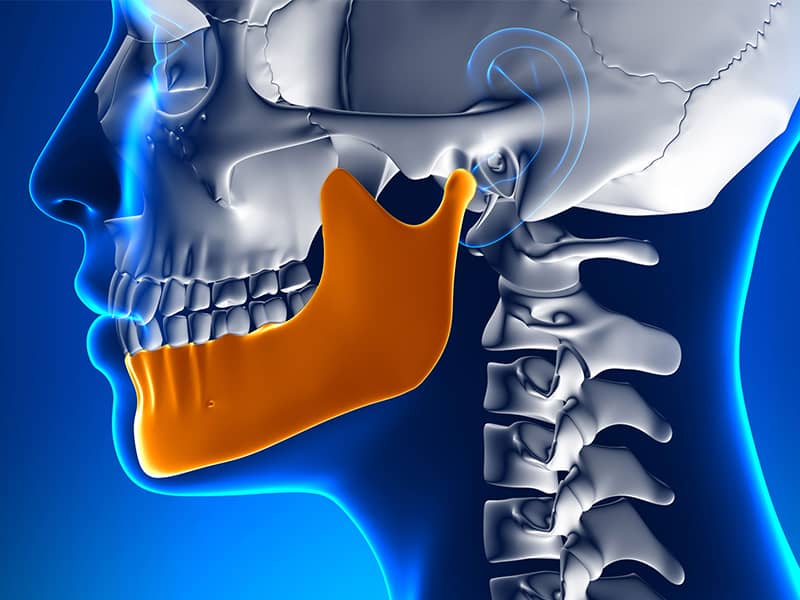
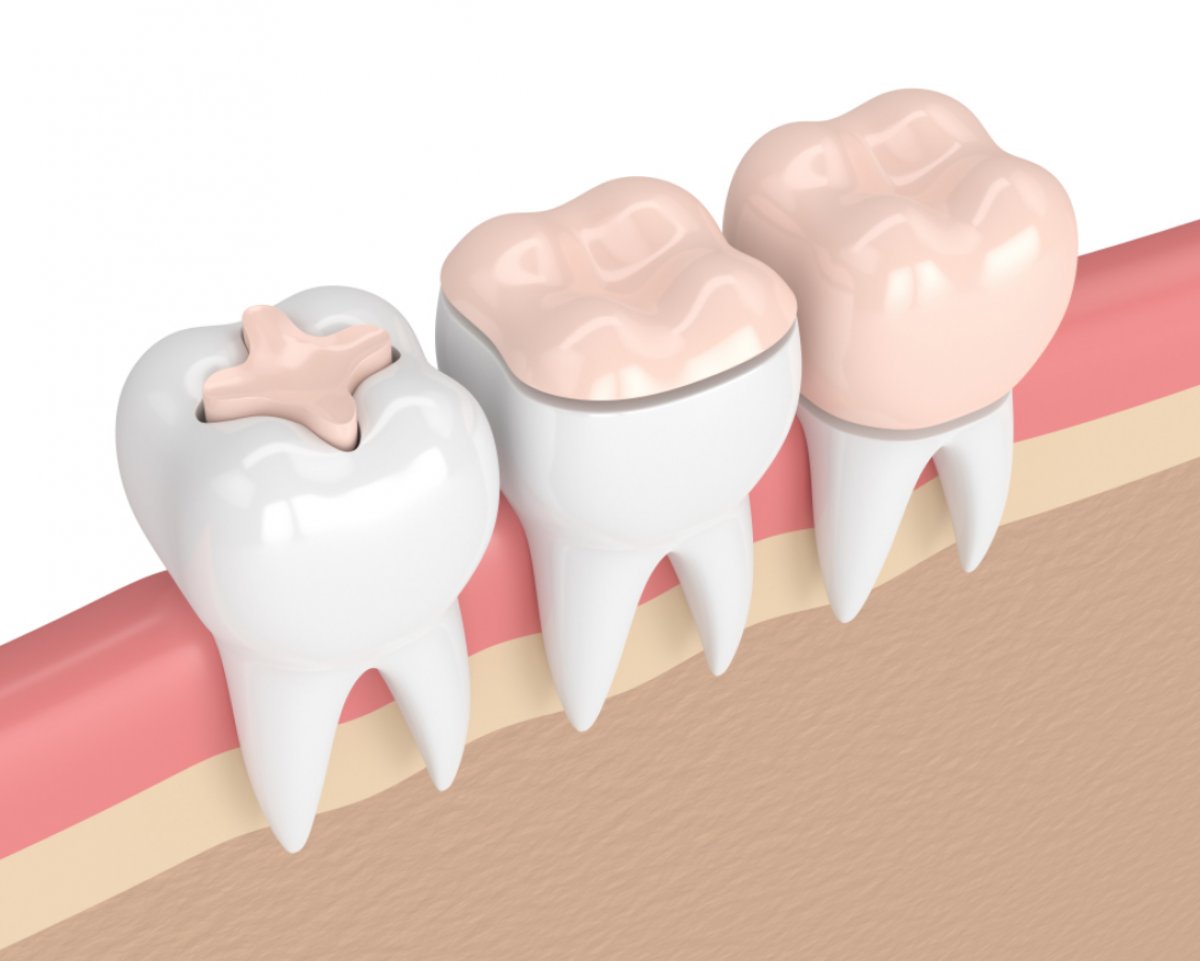
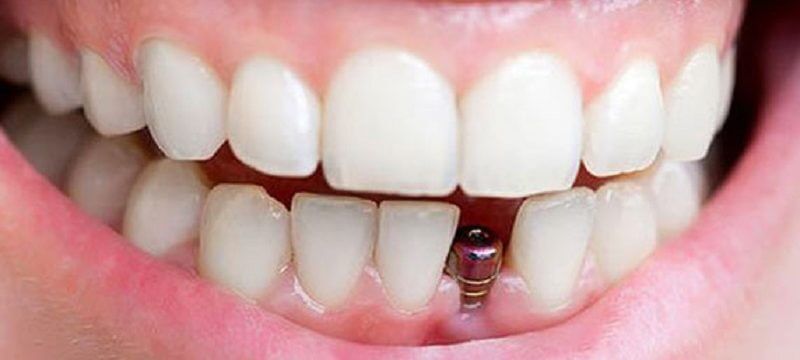
Artificial roots placed in the jawbone to compensate for tooth deficiencies are produced in various medical forms based on their biomechanical compatibility and tissue integration capacities. The question “What are the types and variants of dental implants?” varies according to individuals’ anatomical bone volume and gum thickness and is one of the fundamental analysis topics in prosthetic jaw surgery.
What Are the Types of Dental Implants and How Are They Classified Based on Anatomical Structure?
| Classification | Surgical Placement Area | Medical Application Status |
|---|---|---|
| Endosteal Systems | Inside the alveolar jawbone directly. | Preferred in standard surgical procedures where there is sufficient bone thickness. |
| Subperiosteal Systems | On top of the jawbone, beneath the gum (mucosa). | Planned in cases with advanced vertical bone atrophy (resorption). |
What Are the Biophysical Differences Between Titanium and Zirconium Materials?
-
\t
- Titanium Alloys: The compressive strength against occlusal (chewing) stresses is quite high.
- Zirconium Forms: In aesthetic areas with thin gum tissue, it physiologically blocks metallic gray reflections.
- Surface Modifications: Both types of materials are produced with hydrophilic micro-pores that quickly attract blood clots.
\t
\t
Which Forms are Preferred According to Jaw Bone at Avrupadent Clinic Practice in Izmir?
Multidisciplinary evaluation boards determine a specific material geometry according to the metabolic and anatomical mapping of each patient. In clinical processes where two-dimensional data are insufficient, the Hounsfield (density) index of the jawbone is measured using digital software. The groove opening of the selected medical form is calibrated according to biomechanical principles that ensure balanced vector transfer of chewing forces to the jawbone.
What Alternative Surgical Designs are Applied in Advanced Bone Resorption?
- Short Forms: In areas where the vertical bone distance has narrowed, the horizontal diameter is expanded.
- Angled Systems: To avoid anatomical voids, they are positioned at 30-45 degrees to the jaw curves.
- Zygomatic Structures: In extreme cases where the upper jawbone loses its function, chewing support is redirected to the cranial skeleton.