What Are the Advantages of All On Six Implant Treatment? İzmir Full Toothlessness Treatment
Total edentulism (complete toothlessness) cases where all teeth are lost due to physiological or pathological reasons represent a medical condition that structurally alters the functions of chewing (mastication), swallowing (deglutition), and speaking (phonation) in the human organism. In order to restore edentulous ridges, one of the biomechanical systems frequently employed in current medical literature includes titanium artificial root implants placed in strategic areas of the jawbone.
What Are the Advantages of All On Six Implant Treatment and How Is Biomechanical Function Achieved?
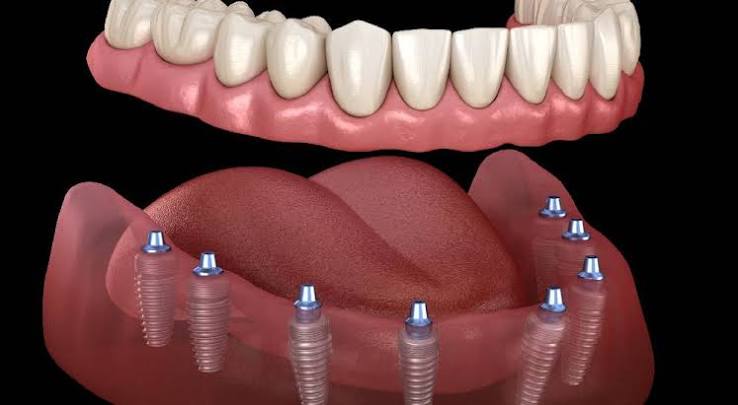
The clinical features offered by All On Six implant treatment are based on the distribution of chewing forces across six different support points along the contours of the jawbone. This six titanium screws create a wide anterior-posterior polygon for fixed prosthetic restoration, dampening the rotating mechanical forces that may occur in the posterior regions of the prosthesis. The ability to keep the distance between implants short allows the crown (prosthesis) body to show high resistance against flexing, and the forces transmitted to the alveolar bone are conveyed in a more balanced manner, thereby slowing down the process of resorption (bone loss) at a structural level.
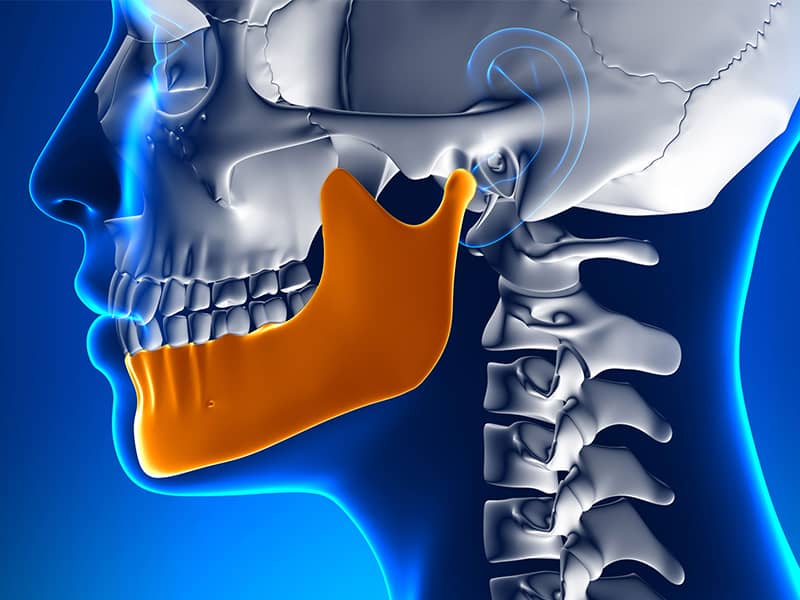
In the anatomy of the jaw, the chewing process transfers strong forces (in the hundreds of Newton range) generated by the masseter and temporal muscles to the bone matrix through the teeth. In cases of total edentulism, when these forces are transmitted directly to the mucosal tissue via removable (palate) prostheses, they can cause pressure necrosis and bone destruction in the bone underlying the mucosa. In the All On Six concept, six titanium roots are integrated into the bone, allowing this mechanical load to be received through the mucosa and directly transmitted to the alveolar bone, just like the natural tooth roots. Bone cells (osteoblasts) are stimulated by this mechanical pressure, preserving their vitality. The six supports used in the system create a skeletal framework that extends to the posterior chewing centers (molar regions). Thus, the posterior extensions of the prosthesis (cantilever sections) remain supported, and the flexural stress during chewing is structurally controlled.
From a biomechanical perspective, reducing the number of implants proportionally decreases the load each screw bears. The larger the contact area (bone-to-implant contact) between the titanium body and the bone, the greater the system’s tolerance to mechanical fatigue. Six columns placed in the jawbone are connected by a monoblock (single piece) zirconium or metal-supported ceramic substructure to be screwed onto them. This rigid connection allows for the instantaneous distribution of an abrupt and strong loading force coming to a single area to the other five implants as well. In the clinical protocols applied by the dentists at İzmir Avrupadent, this force distribution is digitally simulated through CAD/CAM software down to the millimeter, optimizing the breaking resistance of the prosthesis to medical standards.
Who is All On Six Implant Treatment a Medical Option for in İzmir Avrupadent Processes?
The All On Six implant procedure is a medical plan aimed at adult individuals who have lost all their teeth (total edentulism) or for those whose existing teeth are planned for extraction due to advanced periodontal (gum and bone) destruction. The patient’s jawbone anatomy must have sufficient vertical height and horizontal width to support six titanium screws, and the overall systemic health profile must be suitable for surgical intervention, forming the basic medical criteria for this planning.
The loss of all teeth in the dental anatomy leads not only to difficulties in chewing but also to depressions in the facial profile due to the loss of lip and cheek support. Individuals who experience lesions (bruises) on the mucosa while using removable palatal prostheses or suffer from phonetic (speech) difficulties due to the movement of the prosthesis are directed towards this medical process in search of a fixed restoration. A clinical rule stipulates that the patient must have completed their growth and development phase (18 years and older) for treatment to be applicable, as implants placed in a jawbone that is still growing may remain in anatomically incorrect positions in the following years.
One of the most critical steps in patient selection is obtaining medical history (medical anamnesis) and evaluating systemic diseases. For patients with a history of diabetes (sugar disease), the levels of blood glucose and HbA1c are monitored by the physician within medical reference ranges to ensure cellular repair can progress at its normal pace. In individuals with cardiovascular disorders, the dosages of anticoagulant (blood thinner) medications are regulated through a relevant branch consultation prior to the operation. Additionally, for patients receiving intravenous (intra-venous) bisphosphonates for osteoporosis treatment, this procedure is subjected to specific radiological and cellular evaluations as the remodeling cycle of bone cells is suppressed. At Avrupadent clinics operating in Izmir, these systemic conditions of patients are classified using the ASA (American Society of Anesthesiologists) risk scale to create a medical applicability map.
How Does the All On Six Implant Method Anatomically Support Jawbone Volume?
The All On Six implant system integrates six inorganic titanium root elements at specific intervals within the jaw arches. It transfers the mechanical pressure generated during chewing from the mucosal surface directly to the alveolar bone matrix. This mechanical stimulation keeps the cells that regulate the bone tissue’s remodeling cycle active, thereby slowing down the physiological volumetric resorption process that occurs after tooth loss at the cellular level.
The human skeletal system is dynamic and has the ability to reshape itself in response to environmental stimuli. According to the rule known in orthopedics and medical literature as Wolff’s Law, bone tissue that is not subjected to mechanical load loses its volume and mineral density over time. When natural teeth are lost, the related areas of the alveolar ridge (the top of the bone) are deprived of chewing forces. The organism begins to draw mineral support from this unused bone area, and the activity of osteoclast (bone-resorbing) cells increases. Over the years without teeth, the jawbone shortens in the vertical dimension and thins out in the horizontal axis, taking on a knife-edge form.
The All On Six treatment creates a structural barrier against this physiological resorption process with six strategic implants. When titanium screws bond with bone cells at the microscopic level (osseointegration), forces from the prosthesis placed on it are distributed evenly into the bone tissue through these screws. This conveyed mechanical stress stimulates osteoblast (bone-building) cells in the region, encouraging ongoing mineralization. The receipt of this stimulation by the six different areas in the jaw arch helps to significantly maintain the overall volume of the bone. This biological support not only increases chewing capacity but also anatomically helps preserve the vertical dimension in the lower third of the face, preventing the lips from collapsing inward.
What Are the Medical and Structural Differences Between All On Six and All On Four Systems?In the All On Six system, six implants are placed at the jawbone, while four implants are used in the All On Four system. The addition of two screws allows for positioning closer to the back (molar) areas, shortening the unsupported cantilever sections of the prosthesis; thus, the biomechanical polygon created against chewing forces is expanded, and the load on each implant is proportionally reduced.
The medical approaches used in the treatment of total edentulous cases shape according to the existing bone volume of the patient and biomechanical requirements. In the All On Four implant concept, posterior implants are usually placed at angles of 30-45 degrees to avoid anatomical voids in the back areas (sinuses or nerve canals). While this minimizes the need for advanced bone augmentation (graft/bone powder addition), the back sections of the prosthesis may remain somewhat unsupported. In the All On Six system, two additional vertical columns are placed in the back areas where bone volume permits according to the anatomical tables.
In the All On Six system, six implants are placed at the jawbone, while four implants are used in the All On Four system. The addition of two screws allows for positioning closer to the back (molar) areas, shortening the unsupported cantilever sections of the prosthesis; thus, the biomechanical polygon created against chewing forces is expanded, and the load on each implant is proportionally reduced.
The medical approaches used in the treatment of total edentulous cases shape according to the existing bone volume of the patient and biomechanical requirements. In the All On Four implant concept, posterior implants are usually placed at angles of 30-45 degrees to avoid anatomical voids in the back areas (sinuses or nerve canals). While this minimizes the need for advanced bone augmentation (graft/bone powder addition), the back sections of the prosthesis may remain somewhat unsupported. In the All On Six system, two additional vertical columns are placed in the back areas where bone volume permits according to the anatomical tables.
This structural difference indicates a significant change in the mechanics of force distribution (in vector physics). A porcelain or zirconium bridge supported by six screws directs the bending and tensile forces generated during heating to six different centers. The shortening of the cantilever (balcony) length limits material fatigue and the risk of microfractures in the prosthetic substructure. However, to plan the All On Six system, it is essential that there is sufficient vertical bone height and horizontal width, especially in the posterior areas of the jawbone. If there is insufficient bone in the posterior sections, advanced reconstructive surgical interventions such as “Sinus Lifting” (sinus membrane elevation) or block grafts (bone powder) may need to be included in the process to enable six implant applications. In the clinics of Izmir Avrupadent, the preference between these two systems is objectively determined based on the patient’s three-dimensional radiological data and the muscle-generated chewing (Newton) force.
| Medical Parameter | All On Six Implant System | All On Four Implant System |
|---|---|---|
| Number of Support Points | 6 implants per jaw (expanded framework). | 4 implants per jaw (angled). |
| Cantilever (Unsupported Extension) Length | Shorter as implants are positioned closer to the back. | Although it is shortened with a surgical placement, it can still accommodate a relatively longer extension. |
| Bone Volume Requirement | The requirements for vertical and horizontal volume are high, especially in the back regions. | By maximizing regional bone quality, it can compensate for posterior insufficiency. |
| Strength Distribution Tolerance | Offers high mechanical tolerance in patients with high occlusal (bite) force and a firm diet. | Provides balanced tolerance, but requires careful prosthetic planning in the posterior extremities. |
How is the Radiological Planning Process Conducted Before All On Six Implant Surgery?
Anatomical regions where two-dimensional films are inadequate are scanned using Dental Volumetric Tomography (CBCT) in millimeter slices. The vertical height, horizontal thickness, distance to the nerve canals, and the degree of trabecular hardness (Hounsfield Units) of the bone are measured, and the entry points for the implants to be placed are mapped in a virtual environment.
In the oral cavity, the actual form of the underlying bone matrix cannot be visually detected from the mucosa (gum) surface. Traditional panoramic radiographs contain some distortion (shrinkage or enlargement) in specific ratios (15-25%) while reflecting the curved structure of the jaw in two-dimensional projections and do not physiologically represent the anterior-posterior (buccal-lingual) thickness of the bone. The placement of multiple implants at specific intervals, either parallel to each other or with mechanical openings, requires a precise medical organization that does not tolerate margin of error. In this context, Cone Beam Computed Tomography (CBCT) systems are used to obtain a three-dimensional digital clone of the jaw with a low radiation dose.
The obtained tomographic data are transferred to computer software to apply the “backward planning” process. In this concept, the ideal arrangement of teeth that should be in the patient’s mouth and the vertical occlusion height are virtually designed. Points where chewing force will be transferred to the bone at the most accurate angle are determined, and six virtual titanium screws are placed in the bone beneath this tooth arrangement on the computer. The physician confirms in these sections that minimum distances (generally 2 mm) are maintained from the ‘inferior alveolar’ nerve canal, which carries the feeling of the lip in the lower jaw, to the ‘maxillary sinus’ membrane that has air spaces in the upper jaw. By determining the hardness degree of the bone, the drilling techniques (boring) that will be used for primary stability (mechanical compression) during the operation are predetermined. If necessary, in the procedures of Izmir Avrupadent, these digital simulations are sent to 3D printers to produce surgical guide plates, thereby maximizing medical safety by directing the drilling tools to the targeted angle and depth only during the operation.
How Does the Use of Six Artificial Roots Distribute Chewing Forces in Complete Toothlessness Cases?
After six titanium implants are integrated into the bone, they serve as a splint by being connected to each other with a monoblock (one-piece) and rigid superstructure (bar or skeletal prosthesis). Thanks to this connection, for example, an instantaneous and intense pressure force coming to a single point in the anterior region is immediately distributed to the other five artificial roots over the skeleton, preventing excessive stress on a single screw in the system.
The human chewing apparatus generates high pressures on vertical and horizontal axes through the coordinated action of the masseter, temporal, and pterygoid muscles to initiate the mechanical digestion of foods. In total tooth loss cases, the periodontal fibers (ligaments) surrounding the natural tooth roots, which serve as shock absorbers, are lost. Since implants contact bone cells directly (ankylosis), they transmit mechanical pressure directly to the bone matrix without deformation. This indirect transmission of force establishes a clinical rule that balances the mechanical design of the system impeccably.
In the All On Six system, the six implants are rigidly fixed to each other via a prosthetic framework (with a non-deformable metal or zirconium bar), distributing the occlusal (chewing) forces uniformly (equally) across the arch. Implants extending into the posterior (molar) regions limit the flexing of the prosthetic body during activities requiring high Newtons, such as biting or crushing. When the flexing of the prosthesis is limited, the looseness in the abutment screws, chipping of the porcelain surfaces, and potential crest losses around the implant are kept under physiological control. The distribution of force vectors in this manner within a polygon constitutes the biomechanical foundation for long-term functional maintenance in medical planning applied in Izmir.
How is Anesthesia Management and Surgical Procedures Advanced in All On Six Implant Operations?The operation is performed by injecting local anesthetic pharmacological agents into the relevant nerve bundles to temporarily block neural transmission. The patient under anesthesia remains conscious; due to medical protocols, pain transmission is interrupted, and only the pressure and mechanical vibrations of the instruments are sensed during the surgical procedure.
The pain control mechanism in maxillofacial (jaw-face) surgery works through solutions that stop the permeability of sodium channels in peripheral nerve fibers (mostly agents with active ingredients like articaine or lidocaine). The physician injects around the major nerve cords that provide innervation (nerve supply) to the surgical area (via infiltration or regional block methods), temporarily suspending the transmission of electrochemical stimuli from the mucosa and periosteum to the central nervous system. While this pharmacological effect is in play, making an incision (cut) in the tissue, removing the mucosa, and creating a cavity in the bone does not signal biological trauma.
The operation is performed by injecting local anesthetic pharmacological agents into the relevant nerve bundles to temporarily block neural transmission. The patient under anesthesia remains conscious; due to medical protocols, pain transmission is interrupted, and only the pressure and mechanical vibrations of the instruments are sensed during the surgical procedure.
The pain control mechanism in maxillofacial (jaw-face) surgery works through solutions that stop the permeability of sodium channels in peripheral nerve fibers (mostly agents with active ingredients like articaine or lidocaine). The physician injects around the major nerve cords that provide innervation (nerve supply) to the surgical area (via infiltration or regional block methods), temporarily suspending the transmission of electrochemical stimuli from the mucosa and periosteum to the central nervous system. While this pharmacological effect is in play, making an incision (cut) in the tissue, removing the mucosa, and creating a cavity in the bone does not signal biological trauma.
During the surgical phase, special surgical micromotors are used for continuous cooling with physiological serum to prevent the temperature of the bone tissue from exceeding 47 degrees Celsius. These micromotors create a specific vibration while drilling into the bone (osteotomy). Local anesthesia effectively blocks thin pain fibers, but it does not equally suppress the thicker nerve fibers that carry touch and pressure sensations; thus, it is an anatomical reality that the patient may feel pressure or mechanical activity in their jaw. At the end of the procedure, the opened gum is closed with surgical sutures (stitches) to ensure hemostasis (bleeding control). In cases where dental phobia (fear of the dentist) is extreme or cardiovascular reflexes can be easily triggered by stress, an anesthesiology consultation is performed by the European Dent specialists in İzmir, considering intravenous (IV) conscious sedation or general anesthesia as medical options.
How Long Does the Healing (Osseointegration) Phase Last After All-On-Six Treatment?
The fusion of titanium implants with alveolar bone at a cellular level is called osseointegration, which takes an average of two to three months for the lower jaw with a cortical structure; while for the upper jaw, which has a more spongy and aerated trabecular structure, the biological tissue repair period lasts from three to six months.
Right after the surgical placement procedure, the retention of the screw within the bone is referred to as “primary stability” (initial mechanical compression) and is measured in Newton-centimeters (Ncm). This compression is purely a physical torque value. Over time, due to the bone being a living tissue, this mechanical force decreases and is replaced by “secondary stability”, which is characterized by cellular fusion. The first blood clot (fibrin mesh) that emerges at the site of the incision forms a biological bridge for bone cells to migrate to the area.
In the following weeks, while the organism’s inflammatory and repair cells (macrophages, fibroblasts) organize the wound site; bone-forming osteoblast cells settle into the porous microstructure (pores) of the titanium surface. These cells develop a new, calcified (hardened) living bone matrix by secreting calcium and phosphate minerals into the area. Since the lower jaw (mandible) bone structurally has a high density and mineral content, this cellular structuring process returns to mechanical stability more rapidly under clinical norms. The upper jaw (maxilla), on the other hand, is adjacent to the nasal and sinus cavities, and has a more porous structure; therefore, the calcification process is spread over a broader timeframe due to anatomical requirements. This waiting period is a cycle dependent on the organism’s cellular physiology; according to İzmir Avrupadent protocols, periodic radiological examinations are conducted to confirm tissue integration by investigating whether there is any darkening (radiolucency) at the implant-bone contact area.
How is the Prothetic Restoration (Crown) Phase Structured in All On Six Treatment Performed in İzmir Location?
After the phase of biological bone integration (osseointegration) is radiologically confirmed, the gum over the screws is shaped to create a three-dimensional copy of the jaw (its measurement) using digital or conventional systems. Durable zirconium or metal-supported ceramic-based permanent dentures are produced in the laboratory and mechanically screwed onto the implants.
When the cellular adaptation of the surgical stage is completed, the prosthetic rehabilitation phase begins, where the treatment gains functional ability. Initially, under local anesthesia (or without requiring anesthesia if a thin mucosal structure is present), the cover screws are removed and healing caps (gingiva formers) that shape the gum in the prosthetic form are inserted. The gum mucosa creates a cylindrical emergence profile (pink aesthetic base) around these caps within 7 to 14 days.
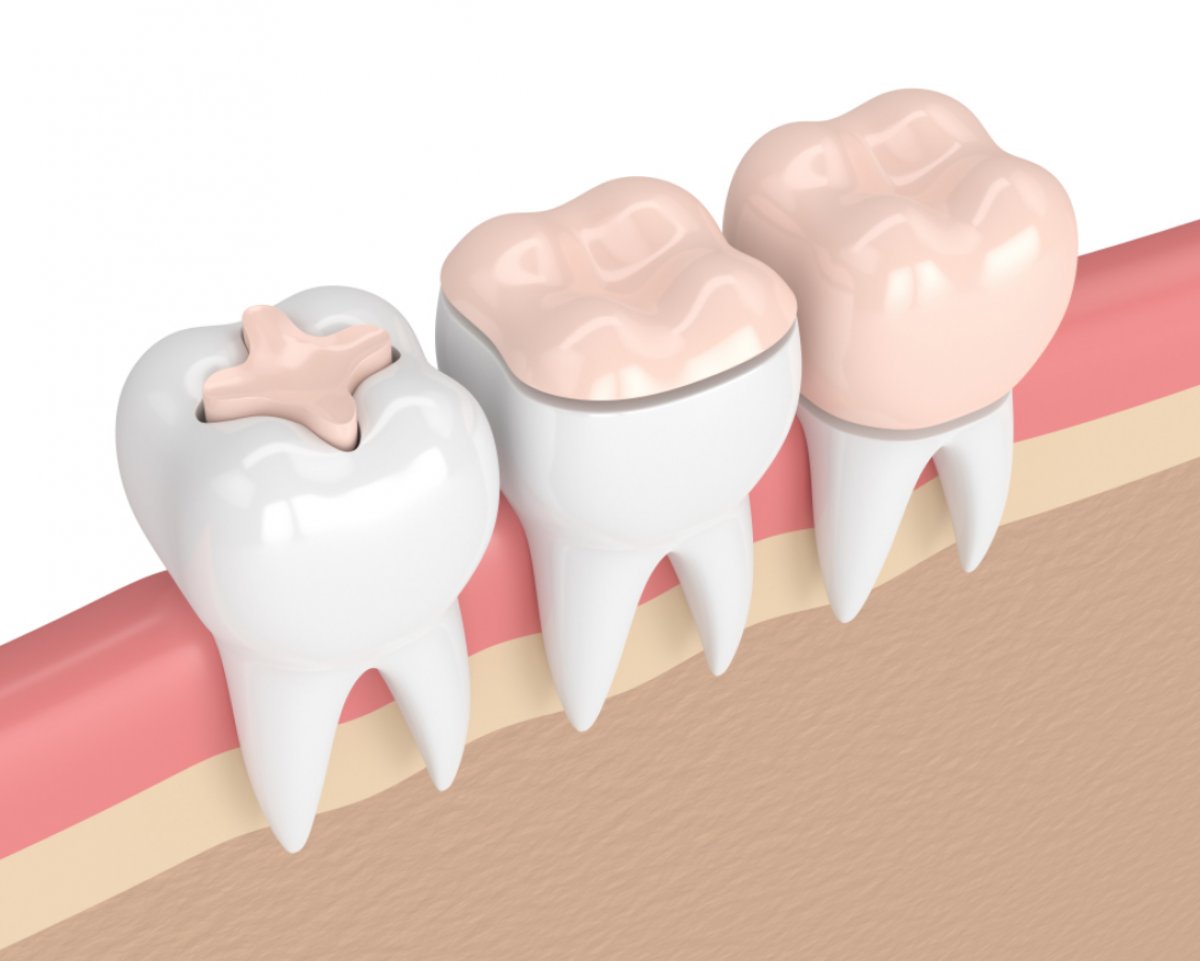
Following the shaped gum profile, transfer pieces known as “measurement posts” are placed inside the implant bodies. To accurately transfer the jaw curves, closure relationships (occlusion), and the amount of missing tissue to the laboratory, intraoral (oral cavity) optical scanners (CAD/CAM technologies) or high-precision silicone measuring materials are used. The aim of the dentist in the prosthetic design is to reconstruct the patient’s Vertical Dimension of Occlusion (VDO) in accordance with skeletal muscle dynamics. The monoblock (all-in-one) prosthesis to sit on six implants is fabricated from rigid materials (chrome-cobalt metal-supported porcelains or solid monolithic zirconium) that will not flex in the posterior molar regions. In areas where aesthetic expectations are intense, materials that closely resemble natural tooth enamel are selected based on light diffusion index. The produced prostheses are mechanically screwed to the implant bodies with an intermediary piece (multi-unit abutment) and offered for use as a restoration.
| Material Classification | Mechanical and Structural Properties | Clinical Indication (Usage) Area |
|---|---|---|
| Metal Supported Ceramic Crown | The rigid metal framework in the internal part maximizes resistance to bending and breaking (flexural) stresses. | Cases that are subjected to significant chewing forces and carry long cantilever bars. |
| Zirconium Based Crown | The white/opaque zirconium framework does not create metal reflections on the gum tissue, providing high biocompatibility. | Cases where aesthetic expectations are high and lip support is a priority. |
| Monolithic Zirconium | The framework and upper structure are carved from a single block. The risk of porcelain chipping anatomically does not exist. | Individuals with high muscle activity detected related to severe teeth grinding (Bruxism). |
How Do Systemic Diseases Affect the All On Six Implant Operation?
Uncontrolled diabetes, hypertension, or osteoporosis, which are systemic (chronic) conditions, directly affect microvascular circulation, coagulation pathways, and osteoblast cell activity. When these parameters are regulated to reference ranges by pharmacological interventions from relevant medical branches, surgical operations can be managed in accordance with medical protocols.
The extensive surgical procedures performed in dental clinics operate in integration with the overall physiology of the organism through the circulatory and immune (vascular) systems. In patients with chronically elevated blood glucose levels due to diabetes (Diabetes Mellitus), thickening occurs in the vascular walls (microangiopathy). This cellular defect restricts the volume of blood that needs to reach the surgical site, resulting in tissue remaining oxygen-deprived (hypoxic), slowing down collagen synthesis, and preventing defense cells (leukocytes) from reaching the area. Therefore, HbA1c tests, which indicate the patient’s blood sugar levels over the last three months, are requested before surgery, and values are expected to be around 7% (in clinical references).
In patients with a history of cardiovascular (heart-vessel) surgery, those who have had stents placed or have a history of atrial fibrillation (arrhythmia), the anticoagulant (blood-thinning) medications used slow down the clotting mechanism. When a flap is opened and mucosal incision is made, temporary adjustments in medication doses (bridging therapy) are applied by examining INR values in consultation with a cardiologist to ensure that bleeding can be stopped physiologically (hemostasis). In patients receiving bisphosphonate group medications for osteoporosis (bone loss), there is a risk of cell death (osteonecrosis) in the surgical area due to the drug slowing down bone destruction. Since this risk is higher in intravenous (intra-venous) applications, detailed medical information is exchanged with the relevant endocrinology branch. In the medical protocols at İzmir Avrupadent, all systemic diseases of the patients are analyzed at a personal level, and the timing and scope of the surgery are shaped according to these concrete biological findings.
How Should Long-term Care and Maintenance Procedures Be Managed After All On Six Implant Treatment?
The long-term functional maintenance of All On Six prosthetics is achieved through the mechanical cleaning of microbial plaque between the prosthesis and the gum using standard fluoride toothpaste along with interdental brushes, special thick dental floss, and pressurized water devices (oral irrigators). Clinical radiological check-ups and professional tartar (calculus) cleaning should be performed every six months as a medical necessity.
Due to titanium screws being resistant to corrosion and the inorganic structure of the porcelain/zirconium crowns, they should not decay (no caries should develop), and this should not cause a physiological misunderstanding regarding individual oral hygiene needs. The mucosa (gum) surrounding the implant bodies and the alveolar bone are much more fragile than the natural tooth structures against microbial dental plaque in the mouth. The periodontal fibers, which slow down the bacteria’s penetration into the bone and act as a barrier in natural teeth, are not found around the titanium screw (ankylosed contact).
This anatomical difference allows inflammation to quickly penetrate into the bone tissue when bacterial plaque accumulates in the zone where the prosthesis merges with the gum (marginal line). The condition, which initially begins as peri-mucositis (soft tissue inflammation), can proceed to peri-implantitis (bone loss around the implant) if mechanical hygiene is not maintained, resulting in loss of the screw’s stability. The care directives communicated to patients by the experts at İzmir Avrupadent include cleaning the undersides of the prosthetic bridge with dental floss known as “superfloss” and washing away liquid food residues using water flosser devices. Since built-up inorganic dental tartar cannot be removed with a regular toothbrush at home, it is a fundamental rule of medical maintenance for patients to undergo ultrasonic debridement in a clinical setting twice a year and have X-rays taken to monitor the bone crest levels.