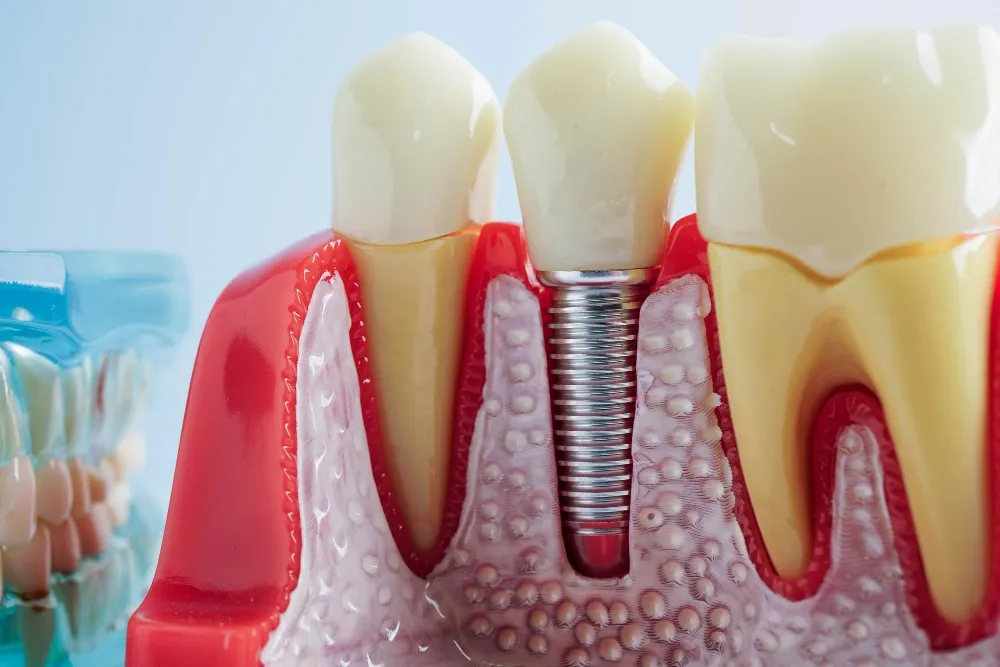
A healing cap is a small piece that is screwed onto the implant for a short time and helps the gum take shape properly around it. Implant parts fall into three main groups: the implant body that sits in the bone, the abutment that connects it to the tooth, and the crown you see in the mouth.
What is a healing cap
A healing cap is a temporary piece fitted to the end of the implant that faces the mouth at gum level, guiding the gum to heal around the implant. Until the permanent tooth is placed, it keeps the space in the gum where the crown will pass and seals the inside of the implant from outside influences. In other words, it is used to manage the healing process, not for chewing.
Implant body, abutment and crown compared
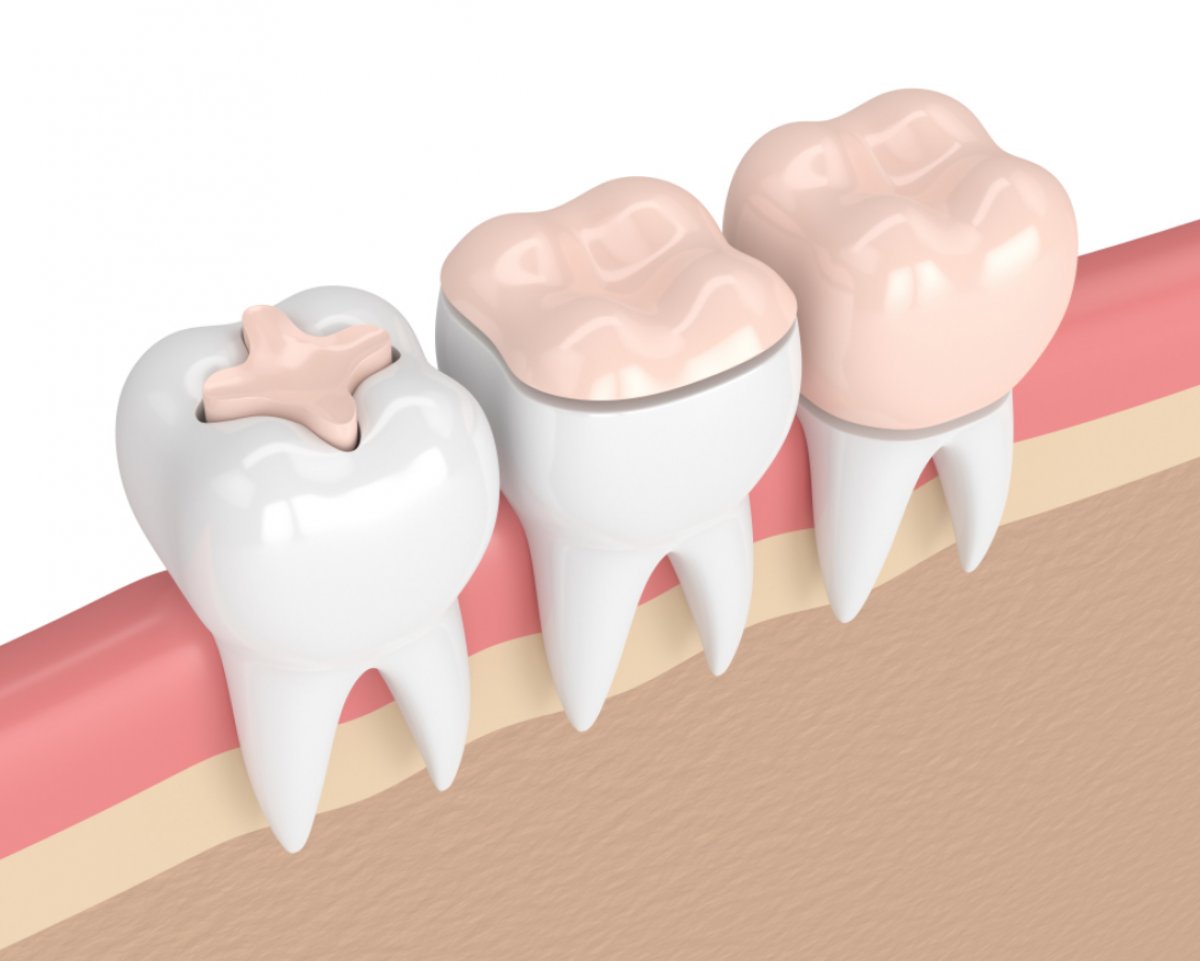
The implant body is the titanium screw placed in the bone, the abutment is the connecting piece between this screw and the crown, and the crown is the visible tooth itself. Each part has a different job:
- Implant body (fixture): Works like a tooth root and holds onto the jawbone.
- Healing cap: Shapes the gum and is used temporarily.
- Abutment: Connects the crown to the implant; it takes the place of the healing cap.
- Crown: The prosthetic tooth that takes over chewing and appearance.
For a closer look at the prosthetic side, see our implant-supported prostheses page.
When the cap is placed
Depending on your dentist’s plan, the healing cap is placed either in the surgical session where the implant is inserted or in a second stage after the implant has fused with the bone. The timing varies with the condition of the bone and the chosen method, and your dentist decides it at the examination. You can find the order of the process in the articles on implant stages and on when the temporary tooth is placed.
What to do if the cap comes loose
If you notice that the cap has loosened, do not try to tighten it yourself, and contact your clinic as soon as possible. In case the cap falls out:
- If the piece falls out, keep it and be careful not to swallow it.
- Avoid chewing hard foods on that side.
- Gently clean the area so that food does not collect in the gap.
- Call your dentist without delay to book an appointment.
For looseness in the upper structure, you can look at the articles on a wobbling tooth on an implant and on what to do if an implant screw breaks.
Caring for the upper structure parts
Caring for implant parts is similar to caring for natural teeth; regular brushing, cleaning between the teeth and check-up visits are needed. The parts of the upper structure may need to be checked over time. For care details, you can read about cleaning implants like natural teeth and why check-ups matter.
The choice of parts depends on factors such as the diameter of the body and the type of prosthesis; the dentist makes this decision in the treatment plan. For your questions, you can book an appointment through our contact page.
Frequently asked questions
What is a healing cap?
A healing cap is a small screw-on piece fitted temporarily on top of the implant that lets the gum take shape around it.
What parts does an implant consist of?
An implant consists of three main parts: the body that sits in the bone, the abutment that provides the connection, and the crown you see in the mouth. During healing, a healing cap is added to these temporarily.
What does an abutment do?
The abutment is the piece that creates the connection between the implant body and the crown. The crown is placed on top of the abutment.
What should be done if the cap comes loose?
Do not try to tighten the piece yourself, keep it if it falls out and be careful not to swallow it, and book an appointment by calling your clinic.