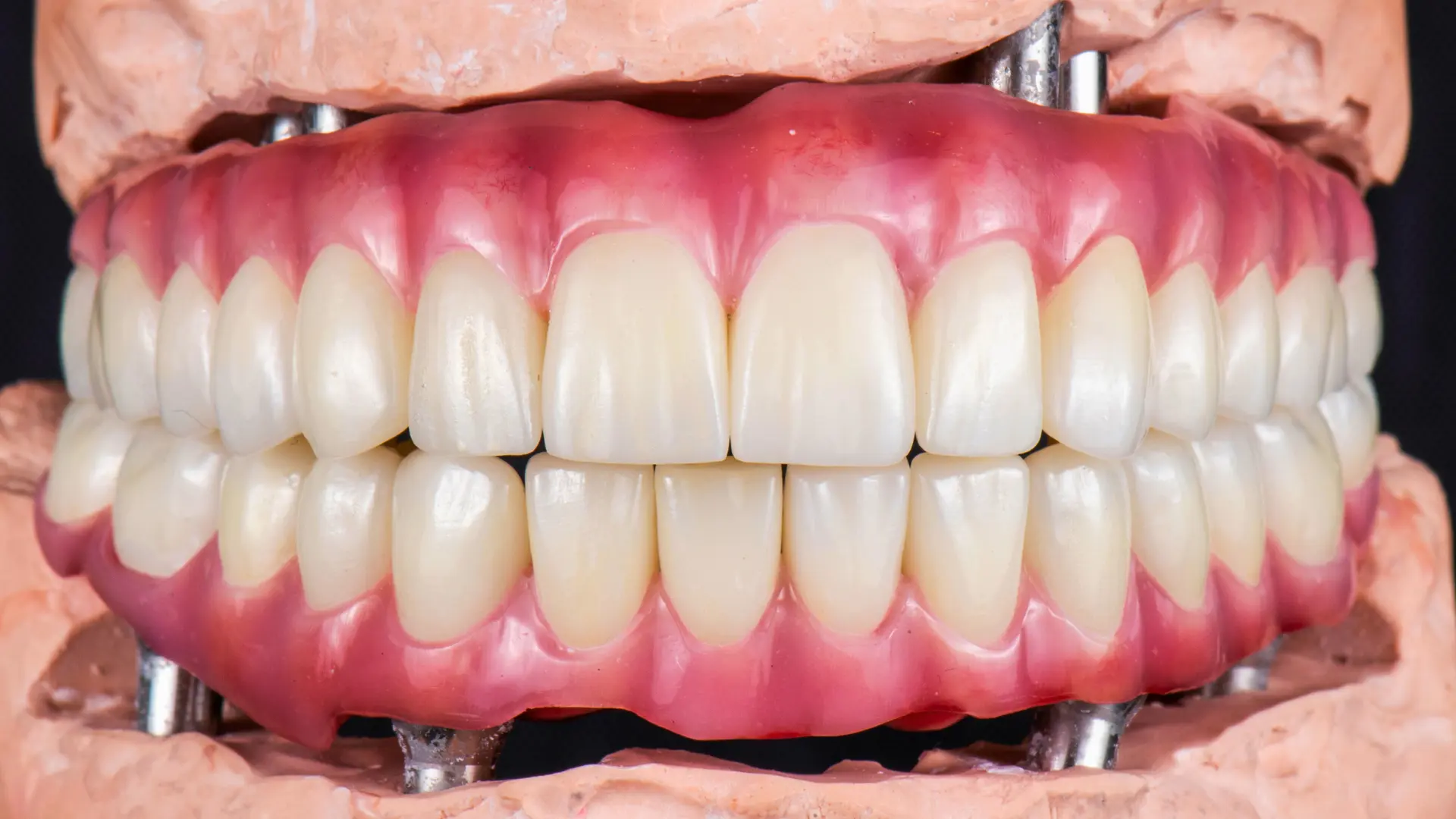
The question of how many years an implant lasts has no single answer that applies to everyone; a correctly planned and regularly maintained implant can be used for many years. Its lifespan depends most on oral hygiene, health factors such as smoking and diabetes, the quality of the jawbone and not skipping check-ups. That is why dentists make a personalized assessment instead of giving a fixed duration.
Short answer: implant lifespan varies from person to person
Implant lifespan depends less on the implant itself than on the health of the jawbone and gum that carry it. After the titanium screw fuses with the bone, it works like a natural tooth root; however, if the surrounding tissues become diseased, the implant is also harmed.
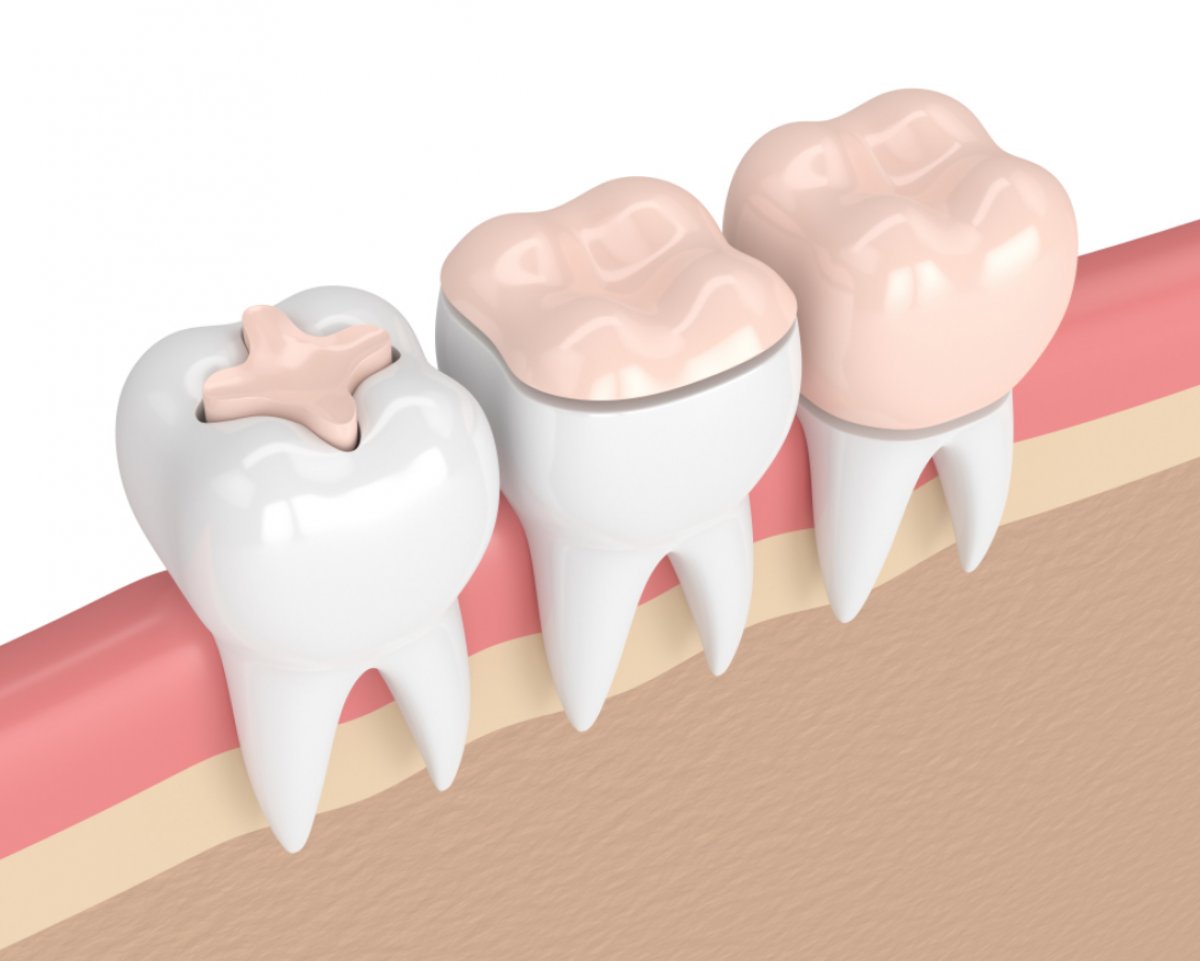
A practical note for those asking how long an implant lasts: the screw of the implant and the tooth on top (the crown) do not wear at the same rate. The tooth on top can wear down over time and may need to be renewed; this does not mean the implant has failed. If you would like to read more broadly on the subject, you can take a look at our article How Long Does an Implant Last? How Do We Extend Implant Lifespan?.
The effect of oral hygiene
Oral hygiene is the most important daily factor determining implant lifespan. An implant does not decay, but plaque that builds up around it causes inflammation in the gum.
If this inflammation is not treated, it can progress to a condition called peri-implantitis. Peri-implantitis is inflammation and bone loss in the gum and bone around the implant. Regular brushing and interdental cleaning are the basis of reducing this risk.
The effect of smoking and diabetes
Smoking and uncontrolled diabetes make it harder for the tissues around the implant to heal and to fight infection. For this reason they are counted among the factors that can shorten implant lifespan.
In smokers, gum blood flow decreases, healing slows down and the risk of bone loss around the implant may increase. In people whose diabetes is not in balance, infection and delayed healing are also seen more often. These conditions do not necessarily rule out an implant; however, it is important to talk openly with your dentist and keep your blood sugar values in balance.
The role of regular check-ups and cleaning
Regular check-ups make it possible to catch problems before they give symptoms. The dentist examines the gum and bone around the implant and, if needed, monitors the bone level with an X-ray.
Professional cleaning removes deposits in areas that cannot be reached at home. You can find in detail why check-ups are important in our article Why Should You Go to Check-ups After an Implant?. If you notice looseness, gum bleeding or swelling, do not wait for your check-up appointment.
Bone quality and correct planning
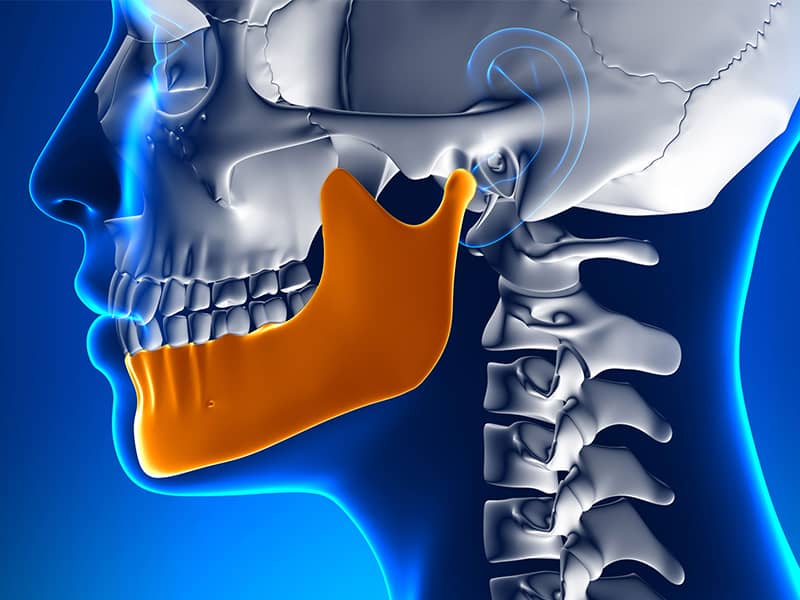
For an implant to be long-lasting, it needs sufficient and sound jawbone and placement in the correct position. Planning is therefore one of the most critical steps of the treatment.
With three-dimensional tomography, the height and width of the bone and its distance to important structures are examined. If the bone is insufficient, supportive procedures such as a bone graft or sinus lifting may be needed. For questions on this subject, you can also look at the section on the effect of the implant on the jawbone: an implant does not dissolve the jawbone; bone loss usually occurs for reasons such as inflammation, excessive load or poor planning. On the contrary, an implant helps stimulate the bone with chewing force after tooth loss.
Rare risks related to the sinus and nerve
Sinus and nerve problems are rare in implant treatment and are mostly prevented with correct planning. Still, since the back area of the upper jaw is close to the sinus and the back area of the lower jaw is close to the nerve, it is worth knowing about these two subjects.
Sinus perforation and sinusitis
If the bone is thin in the upper back teeth, the implant may approach the sinus cavity and the sinus membrane may be perforated. This situation is noticed and managed by the dentist during the procedure; sometimes sinus lifting is recommended first. For details, you can look at our Sinus Lifting Before an Implant page. If prolonged nasal congestion, facial pain or discharge occurs after the procedure, let your dentist know.
Nerve damage and numbness
In the lower jaw there is a nerve canal running to the lip and chin. If the implant gets too close to this canal, temporary or, rarely, permanent numbness and tingling may be seen. Measured planning with tomography reduces this risk. If you notice numbness in the lip or chin that does not go away after the procedure, see your dentist without waiting; early evaluation is important.
The question of allergic reaction
Allergy to the titanium used in implants is very rare. Still, if you have a known metal allergy, you must tell your dentist before treatment.
If there is such a history, the dentist evaluates the situation and discusses whether metal-free options such as zirconia are suitable for you. The same material is not suitable in every case; the choice is made according to your bone structure and chewing loads.
Daily habits to extend lifespan
To extend the life of the implant, your daily habits are as important as the treatment itself. Small but regular steps make a difference.
- Brush your teeth twice a day and use an interdental brush or floss every day.
- Quit or reduce smoking.
- Keep systemic diseases such as diabetes under control.
- If you have a habit of clenching or grinding your teeth, tell your dentist; a night guard may be recommended.
- Do not skip your check-up and cleaning appointments.
The article How Should Teeth Be Brushed After an Implant? may also be useful for brushing and care after an implant.
Frequently asked questions
How many years does an implant last?
It would not be right to give a fixed number of years; correctly planned and regularly maintained implants can be used for many years. The duration varies with the person’s oral hygiene, health condition and check-ups.
What affects the lifespan of an implant?
Oral hygiene, health factors such as smoking and diabetes, the quality of the jawbone, the accuracy of planning and regular check-ups determine the lifespan. Habits that create excessive load, such as clenching the teeth, can also have an effect.
Does smoking shorten implant lifespan?
Yes, smoking slows healing and may increase the risk of inflammation and bone loss around the implant. Quitting or reducing smoking helps the implant to be long-lasting.
Does an implant cause sinusitis?
Generally it does not; however, if the bone is thin in the upper back area, the sinus membrane may be affected. Planning with tomography and, when needed, sinus lifting reduce this risk.
Can nerve damage occur with an implant?
Although rare, numbness in the lip and chin may be seen in areas close to the nerve in the lower jaw. Planning with correct measurement reduces the risk; if the numbness does not go away, you should see your dentist.
Does an implant cause allergy?
Allergy to titanium is very rare. If you have a known metal allergy, tell your dentist; alternatives such as zirconia can be evaluated.
Next step
If you have concerns about the lifespan of your implant or are considering an implant, let us evaluate your bone structure and general health together. Avrupadent has branches in İzmir in Çiğli, Balçova, Narlıdere, Buca and Gaziemir. For an appointment, you can reach us through our contact page.