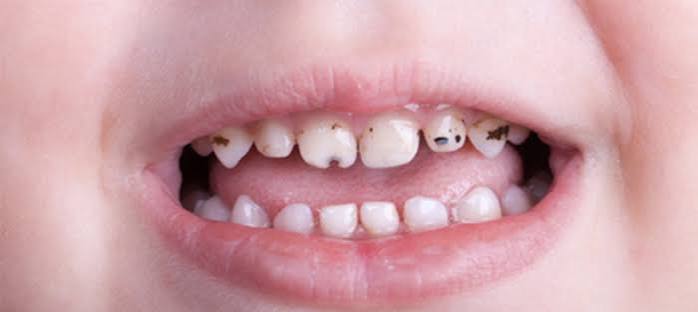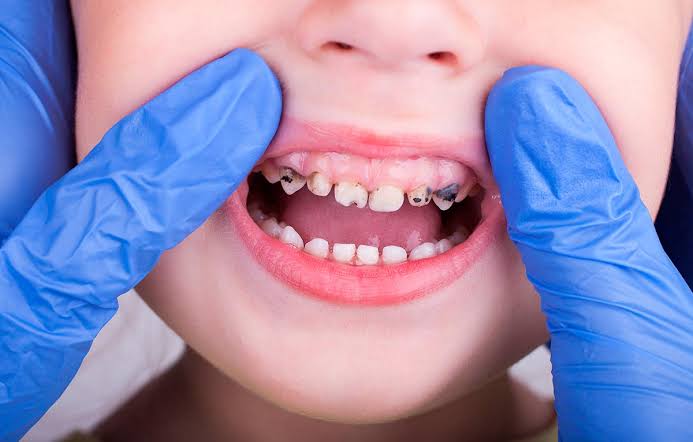

Tooth sensitivity occurs as a result of the exposure of dentin tissue due to the wear of the tooth enamel or the recession of the gums. This condition can cause sudden and sharp pain in response to hot, cold, or acidic foods. The use of toothpaste containing potassium nitrate or fluoride is recommended to alleviate sensitivity. These types of toothpaste relieve pain by blocking the nerve endings in the tooth. Additionally, methods such as fluoride treatment and protective coatings that can be applied by the dentist are also effective.
| Definition | The sudden and sharp pain felt during the consumption of hot, cold, sweet, or acidic foods and drinks or while brushing teeth. | |||||
| Causes | – Enamel Erosion: Caused by vigorous brushing, using abrasive toothpaste, or consuming acidic foods. | – Gum Recession: Exposes the tooth roots and causes sensitivity. | – Fractures and Broken Teeth: Stimuli that reach the nerves inside the tooth can cause pain. | – Erosion of Fillings or Crowns: Sensitivity can develop as a result of the protective layer being compromised. | – Tooth Grinding (Bruxism): Wears down the tooth enamel over time. | – Tooth Whitening Products: Can cause temporary sensitivity due to the chemicals they contain. |
| Symptoms | – Sudden sharp pain when consuming hot, cold, sweet, or acidic foods/drinks. | – Sensitivity felt during tooth brushing or breathing. | – Tingling in the teeth in cold weather. | |||
| Treatment Methods | – Use Sensitivity-Relief Toothpastes: Toothpastes that contain ingredients that protect the enamel and reduce sensitivity should be preferred. | – Change Tooth Brushing Technique: Avoid vigorous brushing, and use a toothbrush with soft bristles. | – Avoid Acidic and Sugary Foods: Stay away from foods that can erode tooth enamel. | |||
| Prevention | – Brush teeth at least twice a day and use dental floss. – Limit acidic and sugary foods. – Use a soft-bristled toothbrush and a sensitivity-reducing toothpaste. – Regular dental check-ups should not be neglected. |
How Does Enamel Wear Contribute to Tooth Sensitivity?
Enamel wear is one of the main causes of tooth sensitivity. When tooth enamel wears away, the underlying dentin layer is exposed, which allows nerve endings to remain unprotected. Acidic foods and beverages especially have significant erosive effects on tooth enamel. Tooth enamel serves as the protective outer layer for teeth; however, certain factors can wear down this layer, leading to sensitivity.
Frequent consumption of acidic foods and beverages weakens the structure of enamel and causes it to erode over time.
- Lemon
- Soda
- Fruit juices
- Foods containing vinegar
Among the erosive factors, not only dietary habits but also mistakes made during dental cleaning play a role. Incorrect brushing techniques, using hard toothbrushes, or applying excessive pressure to teeth can damage the enamel layer. Particularly, brushing teeth immediately after consuming acidic foods can further weaken the enamel surface softened by the acid. Therefore, it is necessary to wait at least 30 minutes before brushing teeth after consuming an acidic food or beverage.
The erosion of tooth enamel can be triggered by genetic factors, inadequate oral hygiene, and advanced age among other reasons. When enamel is eroded, the tooth’s resistance to external influences decreases, increasing sensitivity to hot and cold. Therefore, taking protective measures for tooth enamel and avoiding habits that can erode it is crucial for dental health.
How Does Gum Recession Play a Role in the Development of Sensitive Teeth?
Gum recession is a significant factor in the development of tooth sensitivity because the receded gums expose the underlying dentin tissue by removing the protective layer of the tooth. The microscopic channels within the dentin become more sensitive to external factors, and when in contact with hot, cold, or acidic foods, the nerve endings are directly stimulated. This can lead to sudden and sharp pain, negatively affecting a person’s quality of life.
The main causes of gum recession include:
-
\t
- Gum diseases
- Harsh tooth brushing
- Incorrect tooth brushing techniques
- Smoking
- Natural processes caused by aging
\t
\t
\t
\t
In the treatment of gum recession, the primary aim is to protect the health of the gums. Periodontal treatments help in healing the gum tissue, which aids in halting further recession. Procedures such as preventing plaque buildup and cleaning tartar are among the treatment methods applied by the dentist. If the gum recession is advanced, surgical interventions such as gum grafting may also be considered.
It is important to use a soft-bristled toothbrush to prevent gum tissue damage and to pay attention to proper brushing techniques. Additionally, using specially formulated toothpaste for dental sensitivity can help reduce the stimulation of nerve endings in the dentin tissue. Following the dentist’s recommendations and maintaining regular check-ups is one of the most effective ways to protect dental and gum health and reduce dental sensitivity in the long run.
How Can Sensitivity-Relief Toothpastes Alleviate Dental Sensitivity?
Sensitivity-relief toothpastes help alleviate dental sensitivity with their special formulations. These types of toothpaste contain two main components to reduce the pain sensation reaching the nerve endings in sensitive teeth. Potassium nitrate soothes the nerve endings and decreases sensitivity to external stimuli. Stannous fluoride prevents sensitivity by sealing the dentin tubules. This way, stimuli hitting the nerves inside the tooth are blocked, and the sensation of sensitivity decreases. Additionally, stannous fluoride also helps to protect gum health with its antibacterial properties. The benefits provided by these special ingredients are:
-
\t
- Reduces the stimulation of nerve endings
- Prevents sensitivity by sealing dentin tubules
- Prevents gum infections
- Reduces plaque formation
- Lowers the risk of cavities
\t
\t
\t
\t
Regular use of sensitivity-relief toothpastes provides noticeable relief within a few weeks. It offers an effective solution to sudden sensitivity issues caused by food and drinks. However, it is important to consult with a dentist when using these types of toothpastes and to have regular check-ups.
What Clinical Treatments Are Available to Manage Dental Sensitivity?
There are various professional treatment options available to cope with dental sensitivity. These treatments offer effective methods to close exposed dentin tubules or to soothe dental nerve endings.
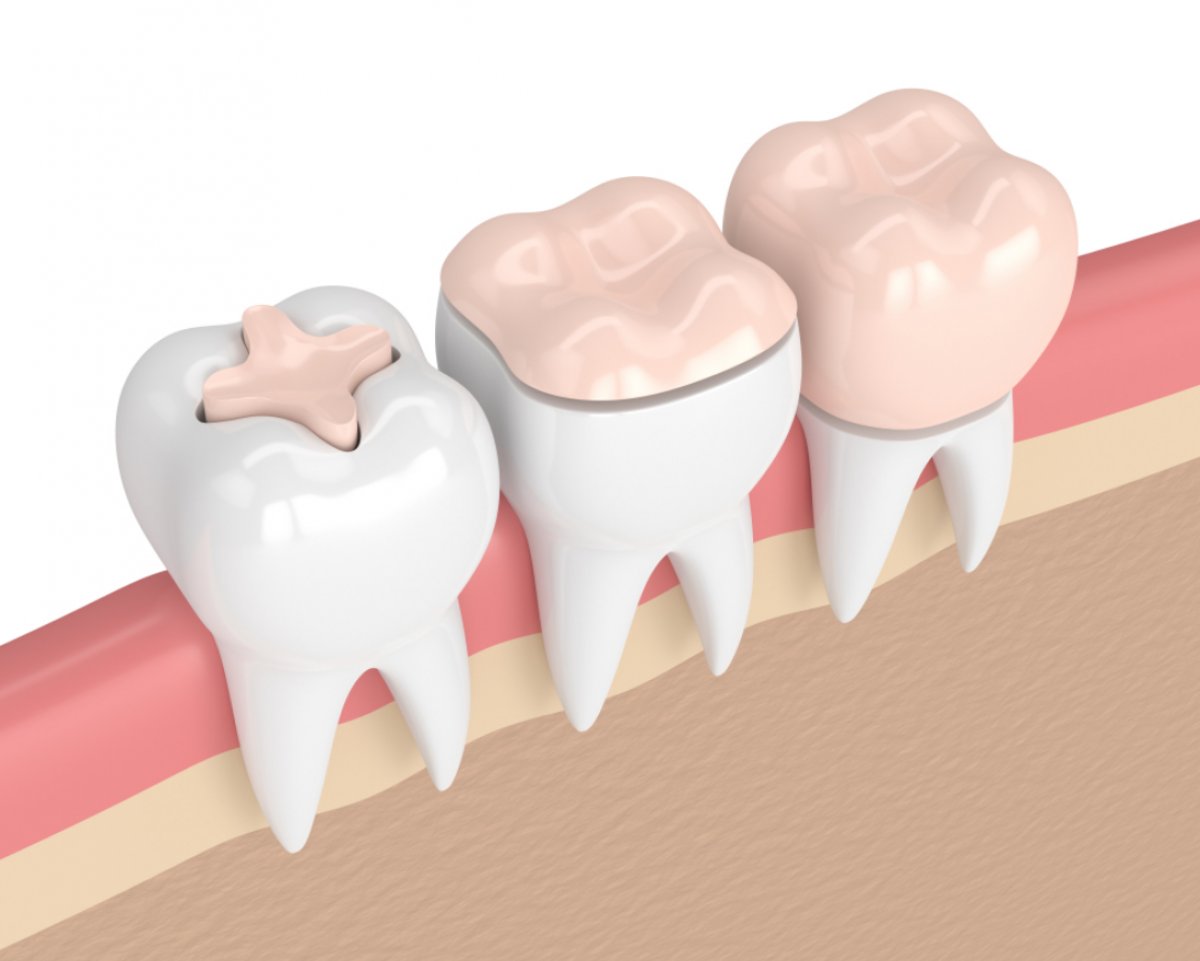
- When Fluoride Varnishes are applied to the tooth surface, they remineralize the enamel and reduce sensitivity by coating the exposed dentin with a protective layer.
- When Bonding Agents are applied to the sensitive areas of the tooth, they close the dentin tubules, preventing stimuli from reaching the dental nerves.
- Dental Sealant Treatments close the surfaces of exposed dentin, preventing hot, cold, and acidic foods from causing pain.
- Glass Ionomer Cements (GIC) create a protective layer by chemically bonding to the tooth and also provide fluoride release to strengthen the tooth.
- Desensitizing Agents (such as potassium oxalate or stannous fluoride) close dentin tubules and act quickly.
- Laser Therapy soothes nerve endings with low-level laser and supports the formation of new dentin layers.
How Can Lifestyle Changes and Oral Hygiene Practices Prevent Tooth Sensitivity?
Small changes made in lifestyle and good oral hygiene habits can be quite effective in reducing tooth sensitivity. One of the main causes of tooth sensitivity is the exposure of the dentin layer due to enamel loss and gum recession. To prevent this situation, certain steps can be taken:
- Use a soft-bristled toothbrush
- Brush teeth with light circular motions without applying excessive force
- Adopt the brushing technique at a 45-degree angle
- Reduce consumption of acidic foods and beverages
- Wait 30 minutes before brushing your teeth after consuming acidic foods
- Use non-abrasive toothpaste that contains fluoride
Regular dental check-ups should not be neglected to maintain dental health. The dentist may offer fluoride treatments, such as fillings or crowns, to strengthen tooth enamel and protect the dentin layer. At the same time, personalized oral hygiene recommendations and dietary suggestions can help prevent sensitivity.