Is every stage of dental implant treatment done on the same day?
Generally, every stage of dental implant treatment cannot be performed on the same day; there is an average biological waiting period of 2 to 6 months necessary for the jawbone to biologically fuse with the titanium material (osseointegration) between the surgical implantation procedure and the placement of the final prosthetics (chewing surfaces). In some exceptional cases where the quality and density of the bone are highly suitable, specific protocols may be applied for temporary teeth to be placed on the same day, referred to as “early loading,” but the delivery of the final and permanent porcelain or zirconium structures always requires the completion of this healing process.
The method applied to address tooth deficiencies is not a simple mechanical mounting process, but rather a medical procedure based on the biological adaptation of the human body. For the material implanted in the body to carry the permanent chewing forces, the jawbone cells (osteoblasts) must completely surround that material and form a biological whole. This integration is a cellular repair process spread over a certain period of time. Therefore, dividing the process into stages, as a necessity of its nature, emerges as a biological obligation rather than a medical preference.
Why is the process divided into specific stages when planning implant treatment in Izmir?
In the planned treatments in clinics in Izmir, the process is divided into basic stages: surgical, waiting (healing), and prosthetic, with the aim of respecting the body’s biological healing rhythm, ensuring the material implanted merges healthily with the bone, and being able to monitor tissue compatibility step by step. All these planned steps are necessary to objectively measure the individual anatomical response.
In dental practice, the success of a procedure depends not only on the surgical precision during the operation but also on the cellular response the body provides in the weeks and months following the procedure. Allowing the area to rest after the surgical phase enables bone cells to colonize the titanium surface. If these phases are rushed and combined, the intense chewing pressures that may occur in the early stages can disrupt this colonization. Therefore, in the Izmir Avrupadent clinics, the process for each patient is specially scheduled according to the speed of their own tissue metabolism.
| Stage of Treatment | Application Content | Medical Necessity / Purpose |
|---|---|---|
| 1. Clinical and Radiological Planning | Analysis of jawbone measurements and systemic medical history using tomography (CBCT). | Determining the anatomical suitability of the area for surgery and sketching the surgical safety boundaries. |
| 2. Surgical Placement Phase | Placement of titanium materials in the jawbone under sterile conditions using pre-planned incisions. | Establishment of the structure that will serve the biomechanical infrastructure and tooth root function. |
| 3. Healing (Osseointegration) Period | The expected time frame for cellular renewal of the tissue and bone that has undergone surgical intervention. | Ensuring cellular fusion that can withstand functional loads between titanium and living bone. |
| 4. Prosthetic (Superstructure) Loading Phase | Placing the crown (external) structures prepared by measuring on the underlying infrastructure. | Finalizing the hospital’s aesthetic, phonetic (speech), and chewing functions. |
What Medical Criteria Define Same-Day Implant (Immediate Loading) Applications?
For same-day prosthetic loading (immediate loading) to be possible; strict medical criteria such as the patient’s jawbone having high density, the implanted material providing very strong primary stability in the bone socket, and the tooth deficiency being located in areas away from intense chewing pressure in the anterior regions are sought. In tissues that do not meet these specific conditions, early loading procedures are avoided for medical reasons.
Primary stability is the mechanical resistance value (torque force) given at the moment of compression when the titanium structure is placed into the bone during the surgical procedure. The physician measures this resistance with special devices during placement. If the measured mechanical value is below the reference limits or if the bone structure is spongy tissue, the same-day tooth replacement procedure is canceled, and the tissues revert to the traditional healing protocol. The main determining factor in treatment planning is not time savings, but rather the preservation of long-term tissue health.
How Long Does Jawbone Healing (Osseointegration) Take and Why Should It Be Expected?
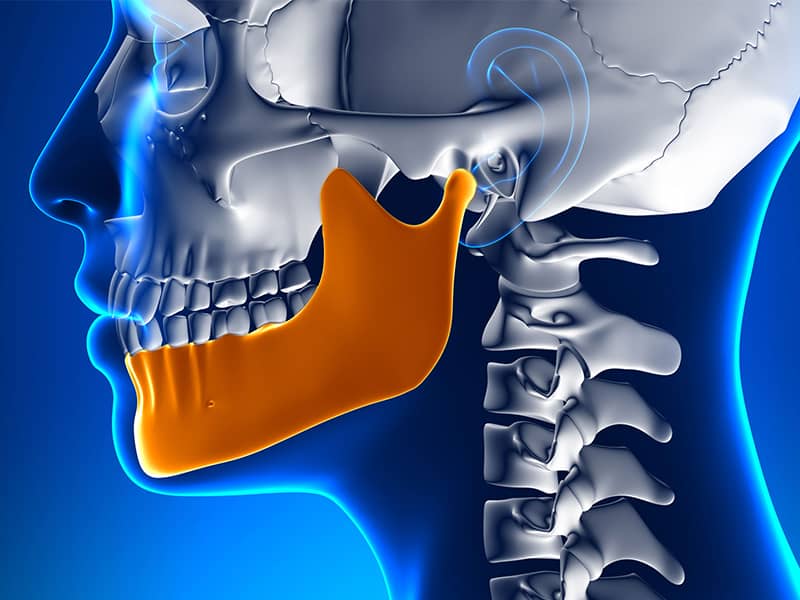
The healing and bonding process of the jawbone (osseointegration) is a slow biological reaction that occurs entirely at the cellular level, taking an average of 2 to 3 months in the lower jaw and between 3 to 6 months in the upper jaw, which has a more porous anatomical structure. Waiting for this period is essential for the bone to develop mechanical durability before the titanium structure is subjected to permanent chewing loads.
During this physiological waiting period, bone tissue begins to adapt to the specially engineered titanium material that’s been prepared in a laboratory environment, through its surface properties. Cells adhere to the micro-pores of the material, forming a tight biological network. If a porcelain tooth is placed in the area and eating begins before the healing period is complete—that is, before this network has fully matured—there can be losses in the surrounding tissue that has not yet fully hardened. The body’s repair schedule cannot be accelerated from the outside; it can only be supported with appropriate care.
Can Temporary Prostheses Be Installed the Same Day and In What Situations Are They Preferred?
In specific situations where aesthetic appearance and phonetic integrity need to be urgently preserved, such as with anterior tooth losses, temporary prostheses made of lightweight materials can be installed on the same day if surgical stability parameters are medically approved. However, the primary purpose of these prostheses is not to perform chewing functions, but to maintain aesthetic form by supporting the lips and cheeks until the permanent teeth are prepared in the laboratory.
Temporary tooth applications are planned to eliminate any visual concerns a patient may experience in their social life due to tooth loss. These teeth are generally manufactured using temporary materials such as acrylic or similar lightweight substances. The physician will definitely inform the patient, who has had temporary teeth installed the same day, about the critical rules to follow while using these teeth:
- Mechanical Protection: The area where temporary teeth are located must not be exposed to hard or pullable foods like apples or bagels.
- Dietary Regulation: During the healing process, a soft diet (pureed or easily chewable foods) is essential for bone health.
- Hygiene Sensitivity: The area around the temporary prostheses must be meticulously cleaned with soft toothbrushes and cleaning agents recommended by the physician.
How Does the Timeline Change in Cases Requiring Bone Graft or Sinus Surgery?
When there is insufficient volume in the jawbone prior to the procedure, and additional surgical interventions such as bone grafting or maxillary sinus floor elevation (sinus lifting) are necessary, an average healing period of 4 to 6 months is added to the treatment timeline for the vascularization and maturation of these new support tissues. These additional procedures are among the factors that make it impossible to perform surgical and prosthetic steps on the same day.
When resorption of the jawbone is observed due to factors such as long-term toothlessness or advanced age, there is no longer a physiological base for placing titanium structures. In this case, the physician reconstructs the area using biocompatible bone grafts. This process, in which the body’s cells integrate the external material into living, hard bone tissue, is a quite detailed cellular process. Although bone graft applications extend the timeline of the process, they ensure that the treatment is established on a biomechanically safe foundation.
What Are the Fundamental Differences Between the Surgical and Prosthetic Stages of Treatment?
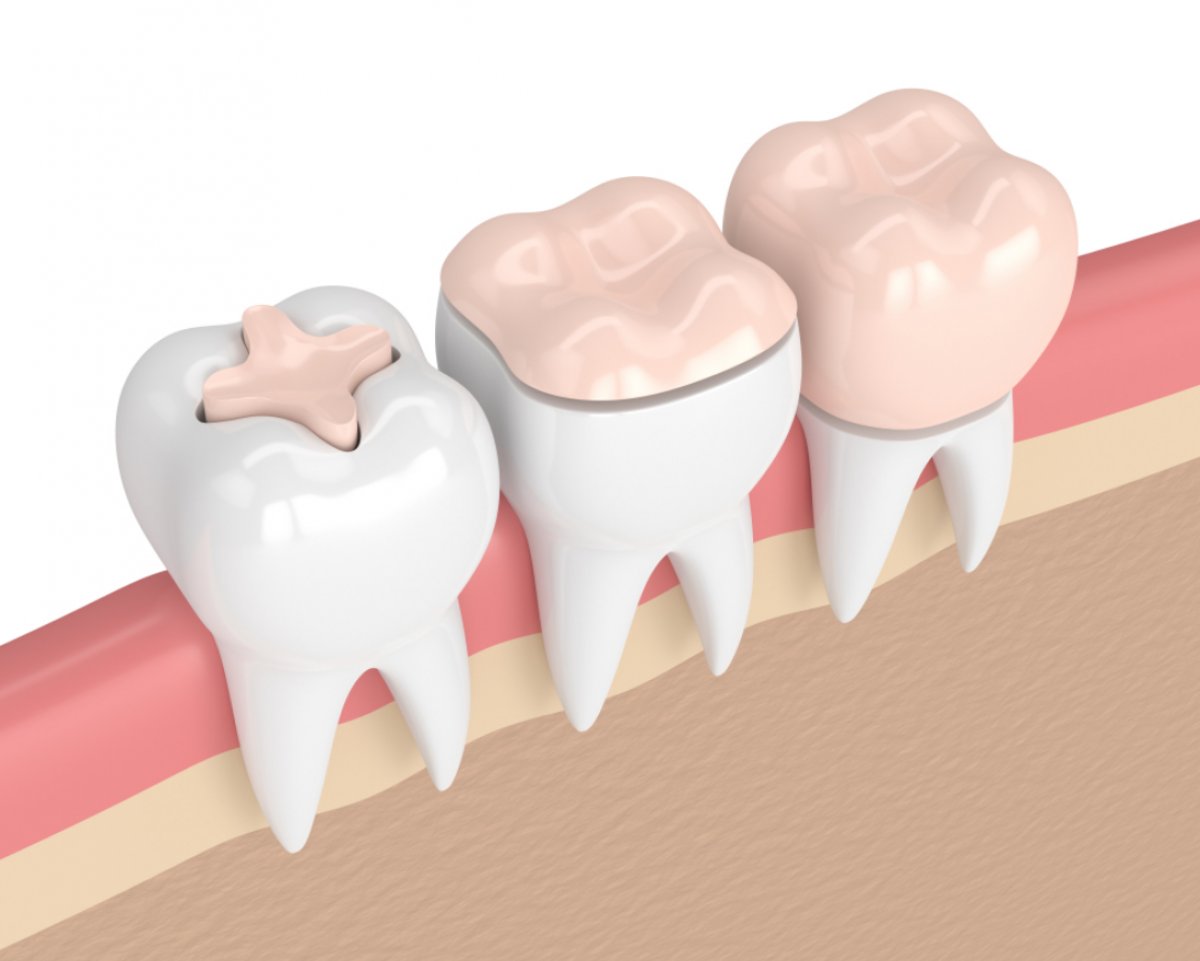
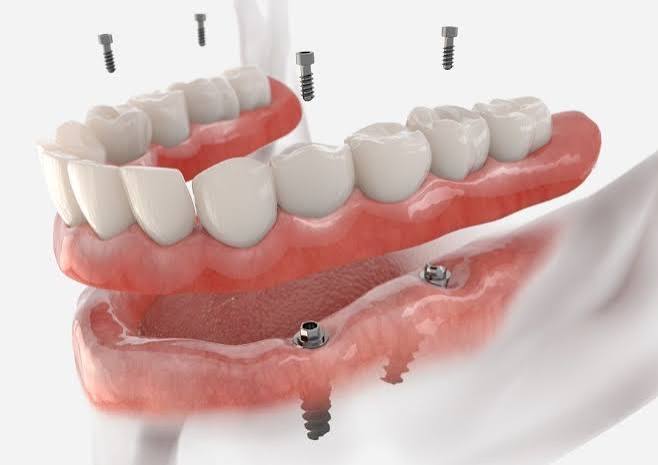
The surgical stage is a medical intervention where titanium roots are placed in the jawbone under local anesthesia in a sterile clinical environment, while the prosthetic stage is the functional and aesthetic restoration process in which zirconia or porcelain crowns prepared in a laboratory are adapted to these roots after bone healing is completed. Both stages have distinct dynamics in terms of technical equipment and medical discipline.
Surgical procedures are entirely focused on anatomy, bone physiology, sterilization, and tissue engineering. The aim is to establish a strong foundation without harming the airways, nerve pathways, and neighboring tooth roots.
| Comparison Criterion | Surgical Phase (Base) | Prosthetic Phase (Superstructure) |
|---|---|---|
| Application Area | Inner jawbone and submucosal tissues. | Visible area within the mouth (above the gum level). |
| Tissues of Focus | Bone density, nerve pathways, blood vessels, and connective tissue. | Contact with opposing teeth, support from cheeks and lips, balance of chewing. |
| Material Type | Biocompatible Medical Titanium (or its alloys). | Metal-supported ceramics, Zirconia, Full Ceramic (E-max, etc.). |
| Required Duration | Although the procedure time may be short depending on the case, the cellular waiting period can take months. | Laboratory fabrication stage, which usually lasts 1-3 weeks after measurement acquisition. |
Can the application be performed on the same day as tooth extraction?
In cases where there is no acute infection, cyst, or active inflammation in the planned extraction site of the tooth root and the surrounding bone tissue is sufficiently voluminous, tooth extraction and placement can be performed in the same session (immediate surgery) with the approval of a specialist physician. This method allows the area to enter a healing process in one stage without the need for a second surgical intervention.
Immediate placement protocols after extraction are commonly preferred medical applications among the current Implantology approaches in dentistry. However, it is essential that the extraction procedure is performed without causing any damage (trauma) to the bone. If there is a chronic abscess in the tooth root or if some loss has occurred in the surrounding bone during tooth extraction, intervening in the area on the same day increases the risk of tissue rejection. In such infection-prone situations, the area is cleaned, and the standard waiting period for the fusion of the extraction site with the bone is observed.
How is Process Monitoring and Medical Standards Ensured in Izmir Avrupadent Clinics?
Process monitoring in Izmir Avrupadent clinics is ensured through sterilization chain compliant with the Ministry of Health’s quality regulations, three-dimensional digital radiography (tomography) measurements, and integrated transparent examination protocols with current medical devices. All surgical and prosthetic steps are carried out under the supervision of a professional medical team with regular control periods tailored to the patient’s overall medical condition.
As with every procedure performed in the health field, the scientific basis and patient safety are prioritized in these procedures carried out in Izmir. Patients in the Europadent processes are thoroughly informed about the international medical compatibility certifications of the materials to be used, necessary preparations before the surgical procedure, and potential biological responses they may encounter during the process. If deemed necessary, multidisciplinary consultations are established with physicians who monitor the patients’ other systemic diseases to ensure the overall health integrity.
Why Are All Procedures Typically Not Completed in a Single Session?
Completing all procedures in a single session and placing permanent porcelain teeth on material that has not yet integrated with bone at the cellular level (not osseointegrated) can lead to the transfer of intense chewing pressures in the early stages and associated micro-movement, making it biologically not recommended. This mobility carries the risk of a failure at the cellular level of the procedure by hindering bone formation.
The focus of modern dentistry is not on speed but on tissue stability. Clinical research in the field of implantology shows that the bone cells surrounding the placed infrastructure are at their weakest and adaptive stage during the first few weeks. An opposing chewing force that occurs during this critical period can cause the bone cells to be replaced by fibrous connective tissue (soft tissue). This situation is defined in medical literature as the tissue not accepting the material. Therefore, staged waiting periods are considered the safest medical approach.
How Does Dividing the Treatment Process into Stages Affect the Daily Life of the Patient?
Dividing the treatment process into stages like surgical and waiting does not create lasting or long-term disabilities in the patient’s daily social and professional life; on the contrary, thanks to the controlled rest of the tissues, the recovery period can be managed more comfortably. Patients can comfortably continue their standard dietary and speech functions with their own natural teeth or aesthetic temporary teeth during the months they wait for the bone to fuse.
The reflections of the staged process on daily life require the patient to be careful about their oral hygiene habits and to adhere to the dietary restrictions indicated by the physician. For instance, experiencing sensitivity in the tissues during the first few days following surgery is a normal physiological condition, and the process can be easily managed with recommended cold compress applications and prescribed mouth rinses. During the long waiting periods, patients continue their lives as usual, only participating in routine clinical check-ups to confirm that tissue development is progressing healthily.
- First Days: Slight tissue sensitivity and swelling (edema) can be observed in the surgical area. Avoiding exercise and heavy physical activities for a short period is recommended.
- Dietary Regulation: During the waiting phase, care should be taken to avoid trauma to the surgical area by not breaking hard and crunchy foods in that region.
- Clinical Visits: Although the recovery process spans months, the patient does not need to visit the clinic regularly; the process is monitored only through specific X-ray controls determined by the physician at 1 and 2 months.
- Social Life: Thanks to the aesthetic temporaries applied in the anterior region, individuals do not experience any visual concerns in their work and social lives.