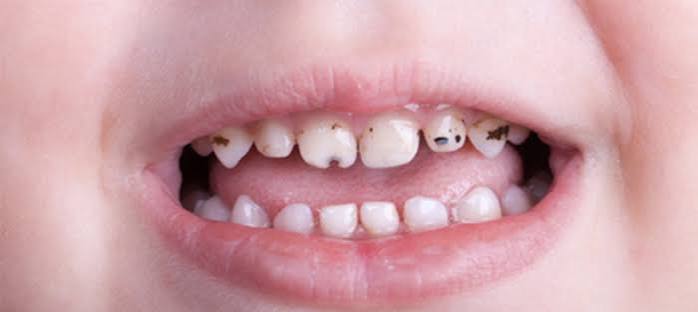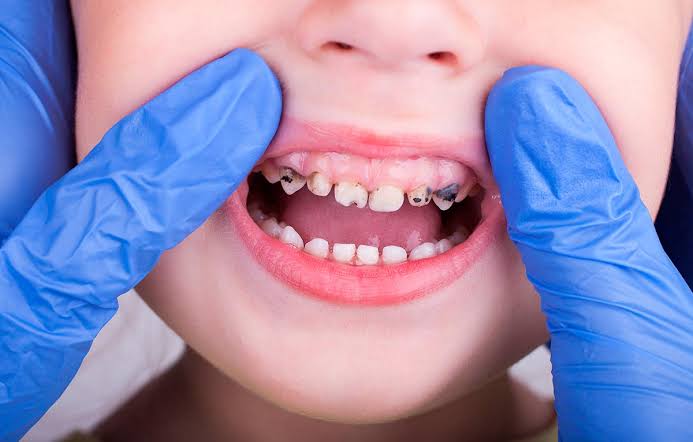

Tooth sensitivity is a discomfort that arises from the weakening of the tooth enamel or the dental tissue. In this case, the underlying dentin layer is exposed, making the tooth sensitive to external stimuli. Stimuli such as hot, cold, sweet, or acidic foods can irritate the nerves inside the tooth and lead to pain. Acidic foods, gum recession, hard brushing, and certain dental treatments are among the primary causes of sensitivity. Tooth pastes containing potassium nitrate or fluoride are recommended to alleviate tooth sensitivity; additionally, fluoride treatments can increase the tooth’s durability.
What Are the Common Causes of Tooth Sensitivity?
Among the most common causes of tooth sensitivity are the thinning of the enamel and gum recession. Thinning enamel leaves the tooth defenseless against hot, cold, or acidic substances. When the gums recede, the dentin layer is exposed, which creates sensitivity to external tooth stimuli. Conditions that might increase tooth sensitivity can be listed as follows:
-
\t
- Acidic foods and drinks
- Hard tooth brushing
- Gum recession
- Teeth grinding habits
- Painful or whitening dental treatments
\t
\t
\t
\t
How Does Enamel Erosion Affect Sensitive Teeth?
The abrasion of tooth enamel affects tooth sensitivity, leading to sudden and sharp pain in the teeth. As the enamel thins, the underlying dentin layer is exposed, leaving the tooth vulnerable to external stimuli. External substances that are hot, cold, or acidic can irritate the nerve endings and cause discomfort. One of the most significant factors in enamel thinning is the frequent consumption of acidic foods and beverages. These types of foods and drinks create an acidic environment in the mouth, causing mineral loss in the tooth enamel and making the teeth more sensitive.
Main acidic foods and beverages:
- Lemons and citrus fruits
- Fruit juices
- Soft drinks
- Energy drinks
Additionally, incorrect tooth brushing techniques can also lead to enamel thinning. Using very hard toothbrushes or frequently brushing with abrasive toothpaste creates mechanical wear on the enamel surface. Especially brushing right after consuming acidic foods makes the enamel more vulnerable.
Can Gum Recession Lead to Tooth Sensitivity?
Gum recession is one of the main factors that can lead to tooth sensitivity. As the gums pull back from the tooth surface, the tooth roots are exposed, which leaves the teeth unprotected against external stimuli. When the tooth roots are exposed, even simple stimuli like contact with sweet, hot, or acidic foods, or even just cold sensations, can rapidly reach the nerve endings and lead to a sharp pain.
Some of the most common causes of gum recession include:
- Incorrect tooth brushing techniques
- Use of hard-bristled toothbrushes
- Periodontal disease
- Hormonal changes
- Gum inflammation
- Genetic predisposition
- Insufficient oral hygiene
To reduce sensitivity caused by gum recession, it is essential to use proper tooth brushing techniques. Soft-bristled toothbrushes should be preferred, and a gentle brushing method that won’t harm the gums should be applied. Utilizing oral care products recommended by dentists and having professional cleanings at regular intervals is beneficial in controlling sensitivity. Periodontal treatments help reduce the risk of recession by maintaining gum health. These measures assist both in alleviating tooth sensitivity and in contributing to the long-term preservation of dental health.
What Dental Treatments Can Cause Temporary Tooth Sensitivity?
Temporary tooth sensitivity is commonly seen after dental treatments, and this is usually related to the exposure of the dentin layer or irritation of the dental tissue. After treatment, external factors can cause the fluids in the inner part of the tooth to move, stimulating the nerve endings, which may lead to short-term sensitivity. Here are some dental treatments that can cause temporary sensitivities:
- Substances used during teeth whitening procedures
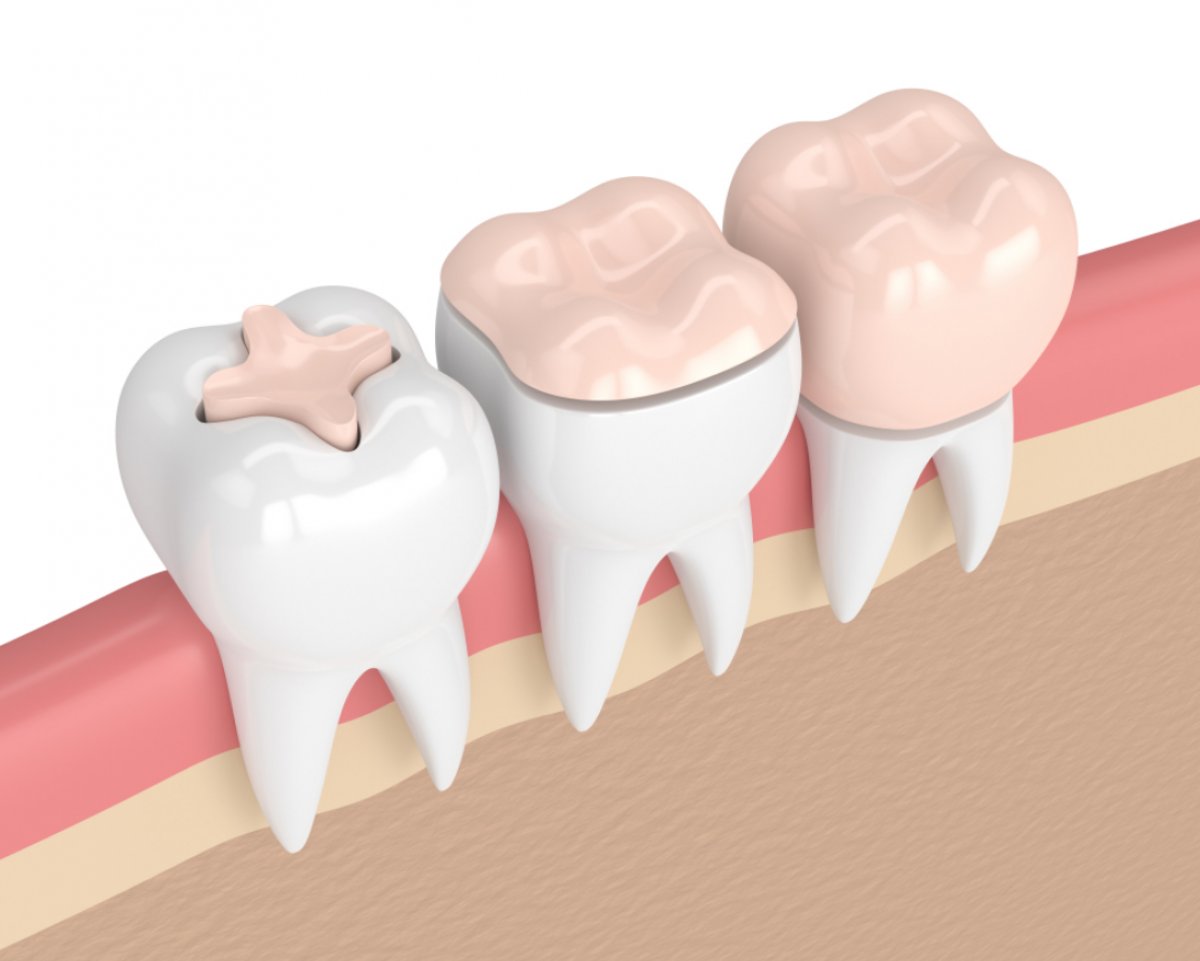
- Tooth decay treatment and filling procedures
- Professional cleaning procedures performed by dentists
- Crown placement procedure
- Root planning and measuring procedures
After these treatments, changes in the tooth surface or nerve tissue may cause sensitivity, but usually this sensitivity resolves within a few days or weeks. The tooth whitening process can lead to temporary sensitivity due to the whitening agents penetrating the tooth enamel; on the other hand, filling procedures may cause sensitivity due to the impact on the nerves during cleaning. In dental cleaning procedures, surfaces exposed as a result of plaque and tartar removal may temporarily become sensitive. Additionally, it is expected that sensitivity decreases as the tooth and gum heal following procedures like crown applications and root planning.
How Do Sensitivity-Relieving Toothpastes Soothe Sensitive Teeth?
Toothpastes used for sensitive teeth reduce tooth sensitivity with two main active ingredients. These pastes containing potassium nitrate and stannous fluoride alleviate sensitivity through different mechanisms.
Potassium Nitrate:
-
\t
- Calms the nerves inside the tooth
- Protects nerve endings by filling the tubules
- Reduces sensitivity with regular use
\t
\t
Stannous Fluoride:
-
\t
- Forms a protective layer over the tubules
- Blocks external stimuli by sealing the dentin layer
- Protects gum health with its antibacterial effect
\t
\t
While potassium nitrate alleviates sensitivity by calming the nerve endings, stannous fluoride forms a protective layer over the tubules, safeguarding the teeth. When these two ingredients are used regularly, they reduce the teeth’s response to external factors and provide lasting relief for sensitive teeth.