
In Which Situations is Root Canal Treatment Performed in Children in İzmir?
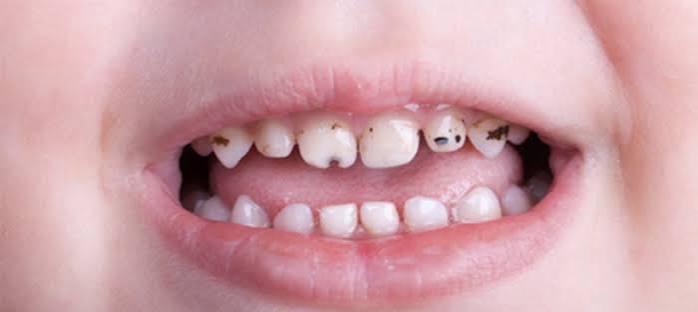
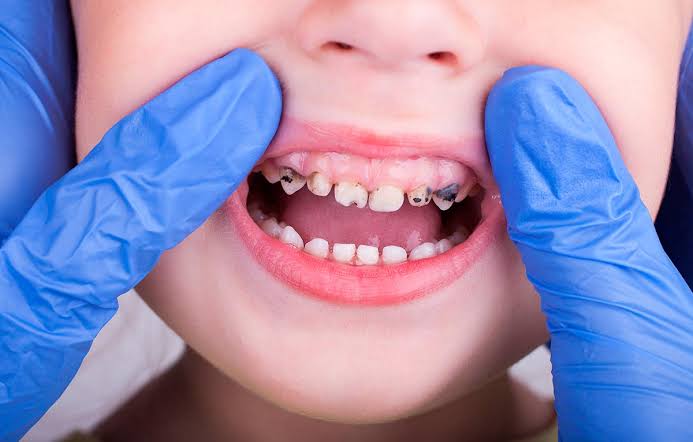
In İzmir, root canal treatment for children is performed in medical cases where deep cavities reach the nerve tissue (pulp) at the center of the tooth, causing throbbing pain that wakes them from sleep at night, loss of vitality in the tooth (necrosis) due to trauma such as falling or being hit, the formation of abscesses (pimples) on the gum, and cases where infection threatens the underlying permanent tooth bud.
One of the most frequently asked and confusing topics when planning dental treatments during childhood is whether root canal treatment can be performed on milk teeth or newly erupted permanent teeth. There is a general perception in society that root canal treatment is exclusively for adults and is a heavy surgical procedure. However, according to the 2026 health legislation standards, pediatric dentistry protocols stipulate that infected teeth in children should not be extracted but managed functionally in the mouth using biocompatible materials. Milk teeth, like adult teeth, have roots composed of enamel, dentin, and living nerves. If bacterial infection or physical trauma in a tooth has only remained on the surface and has reached the nerve chamber, which is the heart of the tooth, a standard filling procedure may not be sufficient to save that tooth. These situations are diagnosed with detailed radiological analyses at Avrupadent clinics located in İzmir. There are very specific medical scenarios (indications) in which the decision for root canal treatment is made to protect the child’s jaw development, nutrition, and psychology.
Why is Root Canal Treatment Performed for Tooth Pain That Wakes You Up at Night?
Dental treatments for toothaches that wake you from your sleep are necessary; because while lying down, increased blood flow to the head area causes a throbbing sensation by applying tremendous pressure to the infected and compromised nerves (the pulp) of a decayed tooth. This situation is definitive evidence that the nerve has been completely invaded by bacteria and cannot be saved with a filling.
The character of toothaches provides the clearest clinical clue to the extent of damage inside the tooth. If a child feels a sudden sharp sensation only when eating sweets or drinking cold water, and the pain goes away when the stimulus is removed, it usually indicates that the decay has not yet reached the nerves and can be treated with a normal filling (Reversible pulpitis). However, if no food or drink is consumed, particularly if the child suddenly experiences severe pain that cannot be alleviated even with painkillers after falling asleep at night, this indicates that the inflammation inside the tooth has reached an irreversible extent (Irreversible pulpitis). The nerve tissue has swollen to fight off bacterial toxins, but it has become trapped between the hard walls of the tooth. Simply placing a filling on a tooth in this stage means trapping the inflammation inside, which will exacerbate the pain. The only medical solution is to completely remove the diseased tissue from inside the canals.
Is Root Canal Treatment Mandatory When There is a Swelling (Abscess) or Pimple in the Gum?
When swelling (abscess) or openings leaking inflammation in the form of pimples (fistulas) is observed in the gum, root canal treatment is mandatory; because these symptoms indicate that the nerve inside the tooth is completely dead and that the toxic pus it produces is eroding the jawbone and leading to a systemic spread risk, showing a serious infection picture.
Parents may mistakenly consider the small, yellowish or reddish lesions that appear on their child’s gums as “ulcers” or “simple wounds.” However, these formations, referred to as fistulas or abscesses in medical terminology, are the physical result of the body’s attempt to drain an infection within the jawbone (to empty it outward). When the tooth’s nerves are completely dead (necrotic), the sensation of pain may disappear. The parent may mistakenly believe that their child’s pain has healed; however, the bacteria growing inside are actually moving from the tooth root towards the bone. The bone tissue will dissolve to cope with this acidic pus and create a tunnel to the pus, forming that pimple-like structure on the gums. The only way to keep a tooth at this stage in the mouth and to stop that erosion in the bone is through root canal treatment, which will cleanse the insides of the tooth roots using special solutions and eliminate the bacteria.
| Nature and Timing of Pain | Medical Diagnosis (Condition of Nerve Tissue) | Required Procedure |
|---|---|---|
| Momentary sharp pain only when eating (sweet/cold). | Nerves are still healthy, decay is still in the dentin layer. | Only cleaning of the decay and Tooth Filling. |
| Spontaneous throbbing night pain. | Nerve tissue is inflamed (Irreversible Pulpitis). | Amputation or Root Canal Treatment. |
| No pain but there is a lesion/abscess on the gums. | Nerves are completely dead, infection has spread to the bone (Necrosis). | Complete Root Canal Treatment (Pulpectomy) or Extraction. |
Is root canal treatment performed on baby teeth after trauma (fall or impact)?
Root canal treatment for baby teeth after trauma is often performed to save a tooth despite no visible fractures, in cases where a strong impact has severed the blood supply at the root tip, leading to the death of nerves (necrosis) and inflammation at the root over time.
Childhood is a stage characterized by active movements such as crawling and running; therefore, falls and impacts to the face are quite common. A child may not have any visible fractures when they fall and hit their front tooth. Parents might think it’s not an issue since the tooth looks intact. However, as a result of that impact, the microvascular and nerve connections inside the jawbone of the tooth can suddenly rupture. The nerve tissue inside the tooth, deprived of blood support, begins to die slowly. After some time, the dead tissue starts to deteriorate in a closed area, and despite no visible fractures, a massive abscess appears at the root of the tooth. In the current pediatric dental monitoring protocols implemented in İzmir, traumatized teeth are kept under observation for months. If signs of vitality loss are detected in the tooth, the dead tissue is removed from the canals and filled with special medical materials, leaving the tooth as a placeholder for dental health.
What medical condition does graying or darkening of teeth indicate?
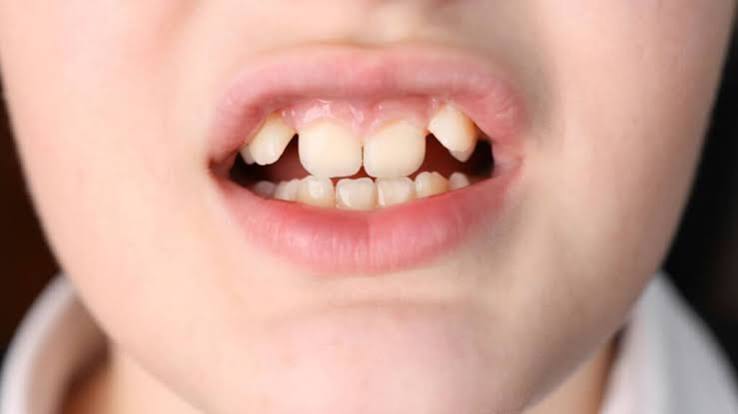
Graying, yellowing, or purplish darkening of teeth generally indicates that after a trauma, the blood vessels inside the tooth have burst, causing blood to seep into the nerve chamber (dentin), and that the nerve tissue has become deprived of oxygen and lost its vitality (undergoing necrosis). This color change is one of the clearest visual indications of the need for root canal treatment.
Just as there is bleeding and bruising under the skin when our skin receives a strong blow, the inside of teeth can also bleed when they experience a strong impact. The small blood vessels in the pulp (nerve) chamber burst, and red blood cells seep into the dentin tubules of the tooth. Over time, these blood cells break down and give the tooth that grayish, dull or dark brown hue that reflects from the outside. A tooth that changes color is no longer a “living” tooth. The interior of a tooth that has lost its vitality is destined to become a breeding ground for bacteria that will eventually cause infection. Parents should consult a dentist as soon as they notice any difference in color that is duller and darker than the others in any of their child’s teeth (especially in the front incisors), even if there is no cavity in that tooth. This is because a change in color is a signal from the body that canal treatment, which will disinfect and fill the inside of the tooth, needs to be performed without delay.
What Does Extreme Sensitivity to Hot and Cold Foods Indicate?
Extreme sensitivity to hot and cold foods, which continues for several minutes even after the food contact has stopped, indicates that the nerves (pulp) of the affected tooth have been reached and that the nerves are responding abnormally with an inflammatory reaction to temperature changes. This prolonged pain reaction proves that the tooth cannot be saved with a filling and requires root canal treatment.
For dentists, the “duration of pain” is the most critical key to diagnosis. If a child is crying upon drinking cold water but stops right after swallowing, then the tooth has only reacted to the stimulus and the nerve is still healthy. However, if the tooth continues to throb with pain after the child has consumed cold water or sipped hot soup, even after the stimulus has disappeared (crying for minutes), the nerve of that tooth is now inflamed (pulpitis). Inflamed nerve tissue expands due to temperature changes and can rupture; this expansion of the nerves, which are already crowded in a narrow space, causes unbearable pain. If a dentist only places a filling from the outside on such a tooth, the pressure from the inflamed nerve remaining in the closed area further increases, leading to abscess formation. Therefore, prolonged thermal sensitivities indicate the necessity for either amputation or complete root canal treatment.
Do Swellings (Cellulite) in the Facial Area Require Root Canal Treatment?
Asymmetrical swellings (cellulite) occurring in the facial area (on the cheek, under the eye, or under the chin) indicate an emergency medical condition that shows the infection in the tooth root has spread to the jawbone and soft tissues. To eliminate the source of the infection and drain the pus, immediate root canal treatment is required if the tooth can be saved.
The infection does not remain as a small pimple (fistula) in the gum area but spreads throughout the entire side, indicating that the child’s immune system cannot cope with those bacteria and that the inflammation has spread to the muscle intervals (facial spaces). Facial infections, particularly in the upper jaw, pose a significant risk of spreading to the eye area, and in the lower jaw, they can directly affect the neck and airways. The child’s overall condition, fever, and difficulty swallowing are evaluated. Initially, acute infections are managed with intravenous or systemic antibiotics. However, antibiotics only stop the spread; if the primary source (the bacterial factory inside the tooth) is not cleaned, the infection will return after the medication is stopped. The tooth causing the infection is identified, and its canals are mechanically completely cleared and disinfected to directly support the body’s healing process.
| Type of Trauma | Physical Effect on the Tooth | Reason for Canal Treatment |
|---|---|---|
| Deep fracture in the crown | The tooth is fractured halfway, exposing the pink nerve (pulp) in the middle. | The exposed nerve becomes infected; its survival is impossible. |
| Intrusion (Embedded in Bone) | As a result of the impact, the tooth gets driven into the bone along with its root. | The nerve connection breaks, and the tooth’s vitality ends (necrosis develops). |
| Color Change (Darkening) | There is no fracture or looseness in the tooth; it only dulls and turns gray. | Internal bleeding and tissue death have occurred; the inside must be cleaned. |
How is the decision for Partial (Amputation) and Complete Root Canal Treatment made at İzmir Avrupadent Clinics?
The decision for partial (amputation) or complete root canal treatment at İzmir Avrupadent clinics is made transparently according to clinical protocols of Pediatric Dentistry by determining whether the infection is limited to the crown area during the clinical examination or has reached the roots, along with a metric analysis of the deterioration rate in the jawbone through digital X-rays.
In pediatric dentistry, standard “complete canal” treatment is not performed on every tooth; the aim is to preserve the tissue in the least invasive way possible. If the clinical X-ray shows a deep cavity but there is no abscess at the root of the tooth, and the child only has leaking issues, the doctor will choose the method known as “Amputation” (pulpotomy). In this method, only the diseased nerves in the upper part of the tooth are removed; the healthy nerves in the roots, which extend into the jawbone, are preserved and the top is covered with medicinal agents. However, if a black shadow (bone resorption/abscess) is visible at the root tip on the X-ray, the child’s tooth is loose, or if pus is seen coming from the root canals when the tooth is opened, it becomes impossible to preserve the nerves in those roots. In this case, the decision for complete root canal treatment, meaning that the entire nerve network is cleaned and flushed with special solutions up to the root tip, gains formality.
In Which Situations is Root Canal Treatment Canceled in Deciduous Teeth with Root Resorption?
Root canal treatment is canceled in deciduous teeth with root resorption when more than half of the roots of the permanent tooth coming from below has been physiologically resorbed, and the tooth has started to become mobile; because at this stage, it is medically much safer to extract the tooth rather than trying to save it.
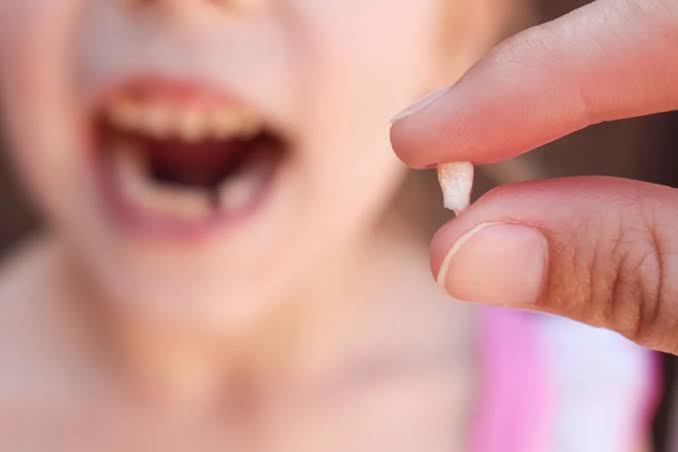
Every type of intervention has a limit and a contraindication (a situation in which it should not be performed). Milk teeth are shed by eroding their own roots when the underlying permanent teeth come in. If there is a large cavity and abscess in a child’s milk tooth, but the doctor sees on the X-ray that the underlying permanent tooth has already emerged significantly and that 2/3 of the roots of that milk tooth have been eroded, they will not perform root canal treatment on that tooth. This is because there is anatomically no “root canal” left to fill; when trying to access the canal with a needle, there is a risk of directly damaging the underlying permanent tooth. Additionally, this tooth has only a few months left until its physiological eruption period. In such a case, to prevent the infection from damaging the underlying permanent tooth, the milk tooth is extracted under local anesthesia, and the eruption of the underlying tooth is awaited without placing any device (space maintainer) in its place.
How are Hidden Infections Detected in X-ray Checks?
Hidden infections in X-ray checks are scientifically revealed by the display of structural changes in the bone that the physician cannot see with the naked eye, using low-dose digital sensors. This is detected as dark shadows (radiolucent areas) at the root tips of the tooth or as erosions in the bone tissue surrounding the roots, indicating the need for root canal treatment.
A tooth appearing bent or broken from the outside does not necessarily mean that the inside or root of that tooth is healthy. Particularly in children who have experienced trauma (such as a hit), the true damage often resides in the dark depths of the jawbone beneath teeth that have very small visible fractures. In the panoramic and periapical radiographs performed in our clinics, healthy bone tissue appears white (radiopaque), while areas infected by inflammation that have been eroded like acid show up as black (radiolucent) spots. The size of these black shadows and the distance from the underlying healthy tooth root provide the doctor with a clear idea about the aggressiveness of the disease. This radiological diagnosis is the most transparent evidence for parents as to why urgent root canal treatment is necessary, even when the child has no complaints in their mouth.
How Do Pediatric Dentistry Specialists Prevent These Conditions with Early Intervention?
Pediatric Dentistry specialists detect cavities with bite-wing radiographs performed during regular check-ups at six months of age months before they reach the tooth enamel and nerve levels; they apply preventive measures with fissure sealants and fluoride varnishes, thus repairing the tooth and completely preventing the development of severe infection cases requiring root canal treatment or extraction.
In medical science, the most successful treatment is one that stops the disease mechanism from starting or halts it at a very early stage (preventive and protective medicine). Since a milk tooth is anatomically thin, a minor leak that starts on the surface can quickly lead to nerve involvement and turn into night pain. It is almost impossible for parents to notice these early cavities (white spots or concealed minor leaks) at home. The primary philosophy of the discipline of pediatric dentistry is not to save the tooth with root canal treatment but to prevent the tooth from needing root canal treatment. Tiny cavities detected during regular visits are sealed with very small and quiet fillings while the child is still painless. Nutritional errors are analyzed. Thus, the inflammatory process is interrupted before it begins, allowing the child to complete all stages of development without experiencing tooth pain or clinical trauma.
How is the Treatment Process Completed for Teeth with Advanced Degree Material Loss?
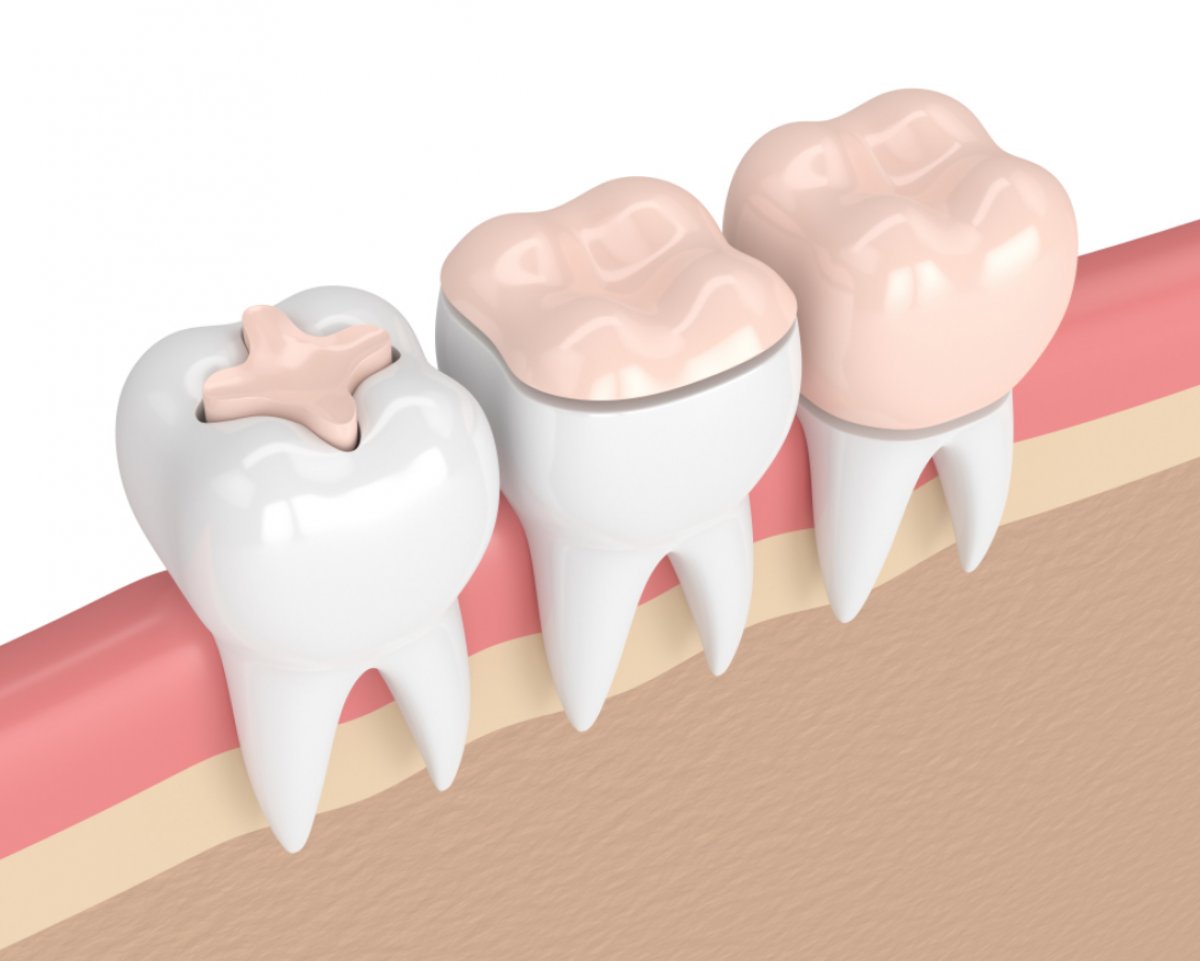
After the root canal treatment is completed in teeth with advanced degree material loss, the treatment process is safely finalized by securing pediatric stainless steel or aesthetic zirconium crowns (caps) with medical adhesives to eliminate the fragility of the tooth and ensure tightness, thus preventing secondary infections.
Performing a root canal treatment means only cleaning the bacteria inside the tooth; however, part of the treatment also involves rebuilding that tooth against external physical forces. Since the blood vessels inside the tooth are removed, the tooth no longer receives nourishment from the inside (blood circulation stops). Like a branch of a tree that is not nourished, the tooth gradually dries out, loses its flexibility, and becomes brittle. Furthermore, while cleaning the decay, the ceiling and side walls of the tooth are also eroded, leaving only a thin shell. Leaving just a white filling (composite) inside this weak structure will lead to the filling completely breaking apart when the child bites into their first hard piece of food. To eliminate this risk, teeth that have undergone root canal treatment are reinforced with “pediatric crowns” specially manufactured to wrap around the tooth 360 degrees. These coverings guarantee that the tooth remains intact in the mouth until it reaches the age of shedding.
How Do Systemic Disorders in a Child Affect the Decision for Root Canal Treatment?
If a child has serious systemic disorders such as heart valve problems, connective tissue deficiencies, or blood diseases, the decision for root canal treatment is often canceled, opting for atraumatic extraction of the tooth in order to completely eliminate the risk of focal infection; because even the slightest leakage of bacteria inside the canal can lead to life-threatening organ infections in these children.
The mouth and dental health are inseparably linked to the entire body system. In a healthy child, a very small increase in inflammation remaining at the root of a tooth can be easily suppressed by the immune system. However, taking risks is unacceptable in children with a medical history (anamnesis) of congenital heart disease, leukemia, or rheumatic fever. In these children, bacteria from a millimetric abscess inside the jawbone can enter the bloodstream (bacteremia), directly settling on the heart valve and causing a fatal condition called “Infective Endocarditis.” Medical authorities do not take the risk of recurrence of infection in these children, even if the root has been completely removed and cleaned. To ensure systemic safety, the most radical but safest method, “complete extraction of the problematic tooth,” is implemented, and treatment is supported with protective appliances.
| Systemic Condition (Child’s General Health) | Infection (Abscess) Risk | Recommended Pediatric Treatment Decision |
|---|---|---|
| Healthy, No Systematic Diseases | The body can handle local infection. | Preserving the tooth with root canal treatment to keep it in the mouth. |
| Congenital Heart Disease | Bacteremia (Bacterial presence in the blood) poses a life risk. | Root canal treatment is CONTRAINDICATED (Not performed). The tooth is extracted. |
| Immunodeficiency / Undergoing Cancer Treatment | Apses formation threatens overall health. | Radical cleaning (Definitive Extraction) and antibiotic protection. |
How Can Regular Clinical Follow-up Eliminate Infection Situations?
Regular clinical follow-up biologically eliminates the risk of infection by monitoring potential new bacterial leaks at the edges of performed root canal treatments or deep fillings through periodic radiological films, as well as the preventive care procedures applied by the physician.
When a child’s tooth is saved through root canal treatment and a protective covering is applied, the medical process doesn’t end there; in fact, a new “monitoring” phase begins. The human body and dental tissues are in a continuous state of change (growth and cell loss). There is always a medical reality that even a completely sterilized root canal might develop inflammation (root apex lesion) due to the body’s own immunological response or the excessive pressure from the underlying permanent tooth, even if the probability is low. Therefore, treated teeth must always be reviewed during monthly recall appointments. The physician evaluates the condition of the treated root and the safety of the underlying permanent tooth follicle by taking dental films of the child. If there is any unexpected sign of resorption or inflammation, the issue is detected without causing any pain to the child while it is still in the initial stage, and necessary intervention is carried out painlessly, safely concluding the process.