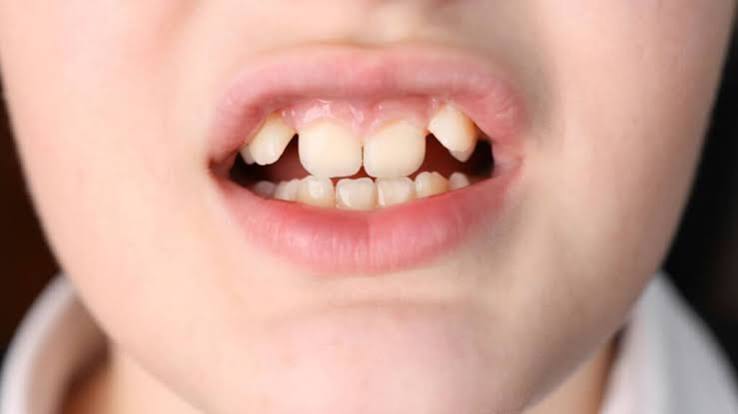
The short answer to what a dental crown is: a crown (cap) is a restoration that wraps around the visible part of a tooth weakened by breakage, wear, a large filling or root canal treatment, protecting it and giving it back its shape and colour. A bridge, which is used to close the gap of missing teeth, is based on the idea of several crowns working together. In this article we explain in which situations a crown is made, whether it can be applied to a hollow tooth, the concepts of bridge and pontic, and what determines how long a crown lasts. For the general framework of prosthetic treatment you can also look at the page on what prosthetic dental treatment is and how it is done.
What is a crown?
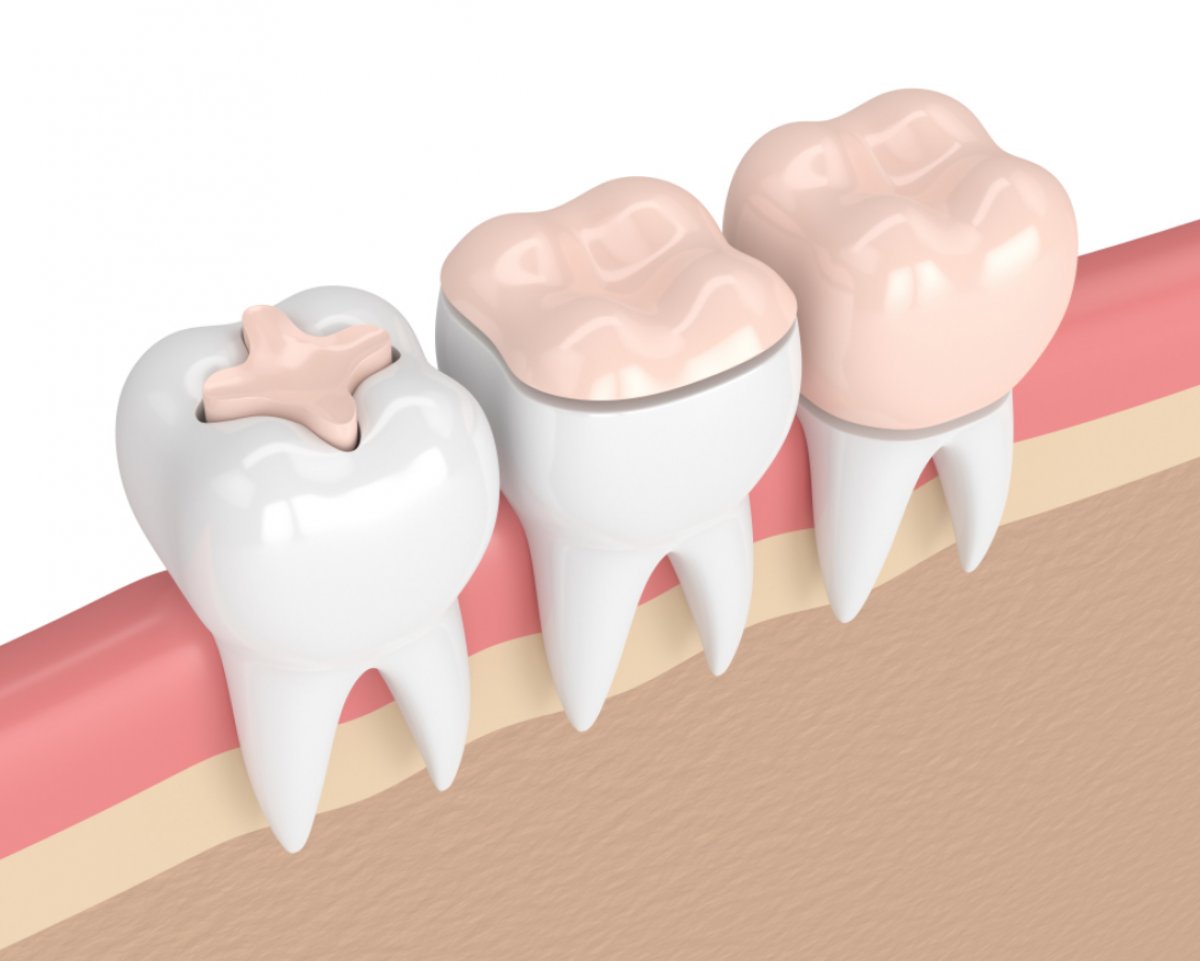
A crown can be thought of as a sheath that wraps around the outside of the tooth completely. The dentist removes a thin layer of the necessary amount from the outer surface of the tooth, takes an impression or a digital scan, and bonds the crown prepared in the laboratory onto the tooth. Options such as porcelain, zirconium, laminate structure or E-Max can be used as the material. Which material suits is decided by the position of the tooth, the biting force and the aesthetic expectation. Among the treatments at Avrupadent are Zirconium Dental Crowns, Laminate Dental Crowns and Prosthetic Dental Treatment. For information on the E-Max material you can look at the article in which situations E-Max crowns can be preferred.
The point most often confused about crowns is the idea that a crown is a “beautifying” procedure. In fact, in many cases the main purpose of a crown is to protect the tooth: to prevent a weakened tooth from cracking or breaking and to distribute the biting force to the tooth in a more balanced way. The aesthetic contribution comes alongside this. For this reason, when planning, the whole picture is looked at rather than the appearance alone, with the health of the tooth first and its appearance second; when the order is reversed, new problems can arise later.
In which situations is a crown needed?
A crown is not needed for every tooth problem; in most cases a filling is enough. The main situations in which a crown is considered are these:
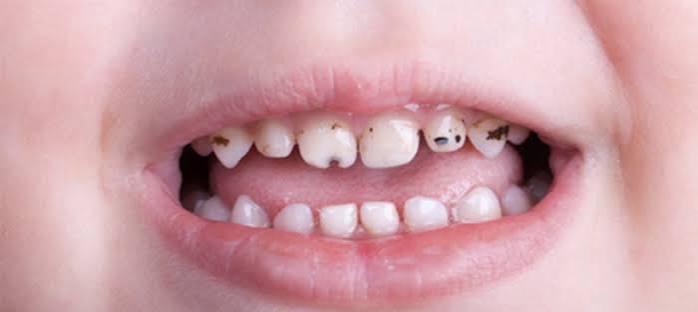
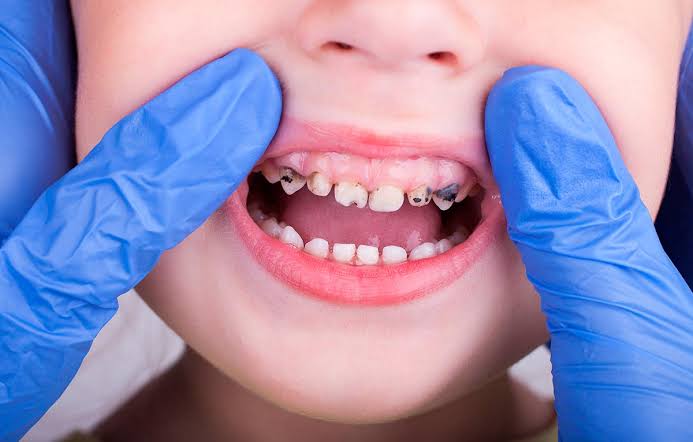
- A large part of the tooth being lost to decay or breakage so that a filling cannot provide enough support
- Teeth that have had root canal treatment and are therefore weakened, and need protection against the biting force
- Very large old fillings, or ones that need to be renewed
- An expectation of aesthetic correction in shape, colour or alignment
- Teeth to be used as abutment teeth in a bridge plan
- Restoring the form of worn teeth
We explained the aesthetic restoration of worn teeth on the page how is aesthetic restoration planned for worn teeth. To understand the difference between a filling and a crown, the article what is a dental filling and how is it done may help. What decides whether a crown is needed is the findings of the examination and imaging; even for two teeth that look similar, a different decision can come out.
Can a crown be made on a hollow tooth?
“Hollow tooth” in everyday language mostly describes a tooth that has had root canal treatment or one that has been emptied by decay. Because the structure of such a tooth may be weakened, a crown is an option that often comes up. However, for a crown to be made, the root of the tooth and its remaining structure must be sound enough. If the root is healthy and the tooth can be supported, a crown can be planned; if there is inflammation or a fracture in the roots, that problem has to be dealt with first. For problems with the success of root canal treatment, you can look at the page signs of a failed root canal treatment, and for inflammation of the tooth root the article tooth root inflammation.
Whether the tooth can carry a crown is understood only by an examination and an X-ray. For a tooth that cannot carry one, options such as an implant or a bridge are discussed. This decision is made not according to what is read on the internet, but according to findings specific to you.
Stages of making a crown
- Examination and planning: The tooth and surrounding tissues are examined and the necessary X-rays are taken. For imaging options you can look at the page 3D jaw and dental tomography.
- Preparing the tooth: A layer thin enough to make room for the crown is removed from the outer surface of the tooth. If needed, the structure is first completed with a filling.
- Taking the impression: A traditional impression or a digital scan is made. You can find details of the process in the articles the impression-taking process and digital impression technologies.
- Temporary crown: While the permanent crown is being prepared, the tooth is protected with a temporary crown.
- Laboratory stage: The crown is produced in the laboratory according to the impression and the chosen colour.
- Trial and bonding: The fit, the bite and the colour are checked; if suitable, the crown is bonded.
- Check-up: After a few days or weeks, the bite and the state of the gum are assessed again.
What is a bridge, and what does pontic mean?
A bridge is a fixed prosthesis that rests on the teeth next to a missing tooth. The teeth on both sides of the missing tooth are cut down and crowns are prepared; between these crowns an intermediate piece that holds the place of the missing tooth is added. This intermediate piece is called a pontic. The pontic sits above the gum and takes over the look and function of the missing tooth. How the pontic contacts the gum varies with the design; different designs such as saddle and hygienic are mentioned, and a balance is struck between ease of cleaning and aesthetics. Which design is suitable is decided by the dentist after the examination.
In the cantilever bridge, which is a type of bridge, the intermediate piece is attached to the tooth on one side only. This method is not suitable in every mouth; whether the abutment tooth can bear the load is assessed. For those who think of an implant instead of a bridge, the pages differences between implant and bridge treatment and implant-supported bridge help when deciding.
Differences between a crown and a bridge
A crown protects and repairs an existing tooth; a bridge closes the gap of a missing tooth. A crown is applied to a single tooth, while a bridge consists of at least three members: two abutment crowns and the pontic between them. For a bridge, sound neighbouring teeth must be cut down; for this reason the number of missing teeth and the condition of the neighbouring teeth affect the choice of treatment. For several missing teeth you can find the options on the page implant options for several missing teeth. For those torn between a removable prosthesis and an implant, the article an implant instead of a removable prosthesis lists the criteria.
Care after the teeth are cut down for a bridge
After the teeth are cut down for a bridge or a crown, they are protected with temporary crowns until the permanent restoration arrives. In this period you need to avoid sticky and hard foods that could shift the temporary crown, and not neglect tooth brushing and interdental cleaning. Smoking can have a negative effect on healing and gum health; how long a break is needed varies with the procedure and the person, so it is right to follow your dentist’s advice on this. The period is not fixed. If you experience sensitivity after cutting, be sure to mention it at the check-up appointment; the article oral care after aesthetic dental treatment contains general recommendations.
What to do if a crown breaks
If a crown has broken or cracked, do not try to bond the break yourself. Keep the broken piece if you have it, keep the area clean and go to the clinic within a short time. Looking at the size of the break, the dentist decides between repair, renewing the crown or reassessing the tooth underneath. If there is decay or a fracture in the tooth underneath, it may also turn out that the problem comes not from the crown itself but from the tooth. If there is a reason your tooth broke (for example teeth clenching), it too needs to be dealt with; on this you can look at the page what helps with teeth clenching.
What does the lifespan of a crown depend on?
It is not possible to name a fixed number of years for how long a crown will last; its lifespan depends on many factors:
- Oral hygiene and gum health
- The choice of material and the position of the tooth
- The habit of clenching or grinding the teeth
- The habit of biting hard objects
- Regular check-ups and professional cleaning
- The health of the tooth and root underneath
We explained what can be done for a long life on the page what should be done so that aesthetic dental treatments last long, and the importance of check-ups in the article why regular check-ups are necessary. For the effect of habits such as coffee and tea, the page coffee and tea consumption may also be useful.
Colour and natural look
For a crown to look in harmony with the neighbouring teeth, the choice of colour is important. The colour is assessed under light and together with its surroundings; you can find information on this on the page colour selection in aesthetic dentistry. You can read which materials are preferred in the article which materials are preferred in aesthetic dentistry. If you are thinking of whitening, because crowns are not affected by whitening, whitening needs to be planned before the crown; we described this planning on the page can teeth whitening and aesthetic treatments be planned together.
Daily care after a crown
After a crown is made, there may be mild sensitivity in the tooth in the first days; this usually fades in a short time, and if it does not, it should be mentioned at the check-up appointment. In daily care, it is important to brush the tooth gently up to the gum line and to clean the edges of the crown with dental floss or an interdental brush. This is because plaque collecting at the edge of the crown can lead to decay or gum inflammation in the tooth underneath. Very hard and sticky foods can strain the crown, so they should be eaten carefully. For someone who clenches at night, a protective guard may come up; your dentist assesses this.
Other options instead of a crown
Not every weak tooth may be suitable for a crown. If the tooth structure is largely preserved, restorations that take less tooth tissue, such as a porcelain inlay or onlay, can be considered; these are available at Avrupadent as Porcelain Inlay / Onlay. If the tooth is sound but there is a colour and shape problem, a laminate veneer may come up. For a lost tooth, a choice is made between a bridge, an implant and a removable prosthesis. We explained the aesthetic options in general on the page what is aesthetic dentistry and which procedures does it cover. The choice is made according to the current state of the tooth, your oral health and your expectations; for this reason it should not be assumed that an option that worked for someone else will also suit you.
Examination at our branches in İzmir
Avrupadent has more than one branch in İzmir, including Çiğli, Balçova, Buca and Gaziemir. If you are thinking of a crown or a bridge, the first step is the examination. At the examination your tooth and the surrounding tissues are examined, an X-ray is taken if needed and the options that suit you are discussed. For appointment and branch information you can use the contact page. Before the examination, noting when your complaint started, the procedures done earlier on that tooth and the medicines you use makes the consultation easier.
Questions you can ask when going to the examination
- Is a crown really needed on this tooth, wouldn’t a filling be enough?
- Which material is recommended, and why?
- How much will the tooth be prepared?
- Will a temporary crown be used?
- How will the health of the tooth under the crown be monitored?
- In how many sessions will it be completed?
- What will the care and check-ups be like?
Frequently asked questions
What is a dental crown?
It is a restoration that wraps around the outside of a broken, worn or weakened tooth, protects it and gives back its shape.
Can a crown be made on a hollow tooth?
It can, if the root and the remaining tooth structure are sound enough. The examination and the X-ray decide whether the tooth can carry the crown.
What should I do if my crown has broken?
Do not try to bond it yourself, keep the broken piece and go to the clinic within a short time.
What is a pontic?
It is the intermediate piece in a bridge that holds the place of the missing tooth and sits above the gum.
What can be done to extend the life of a bridge?
Paying attention to oral hygiene and interdental cleaning, going to regular check-ups, dealing with habits such as teeth clenching and not biting hard objects have a positive effect on lifespan.